Key Takeaways
- Open-plan apartments offer versatility and connection by combining living, dining, and kitchen spaces into one seamless area.
- Thoughtful furniture placement is essential for maximizing space, creating defined zones, and balancing functionality and style.
- Use multi-functional furniture, like storage ottomans, sofa beds, and extendable dining tables, to optimize space and maintain a clean aesthetic.
- Rug placement, lighting, and low-profile dividers help define separate zones without sacrificing the open feel.
- Avoid common mistakes such as blocking traffic flow or overcrowding the space, and prioritize proportional furniture for a spacious and organized layout.
- Incorporate vertical storage solutions and cohesive color schemes to enhance functionality and maintain a stylish, airy design.
Living in an open-plan apartment feels like a breath of fresh air, doesn’t it? The wide, airy space is perfect for creativity, but figuring out how to arrange furniture without walls to guide you can be a bit tricky. I’ve been there—standing in the middle of an empty room, wondering where to start.
Understanding Open-Plan Apartments
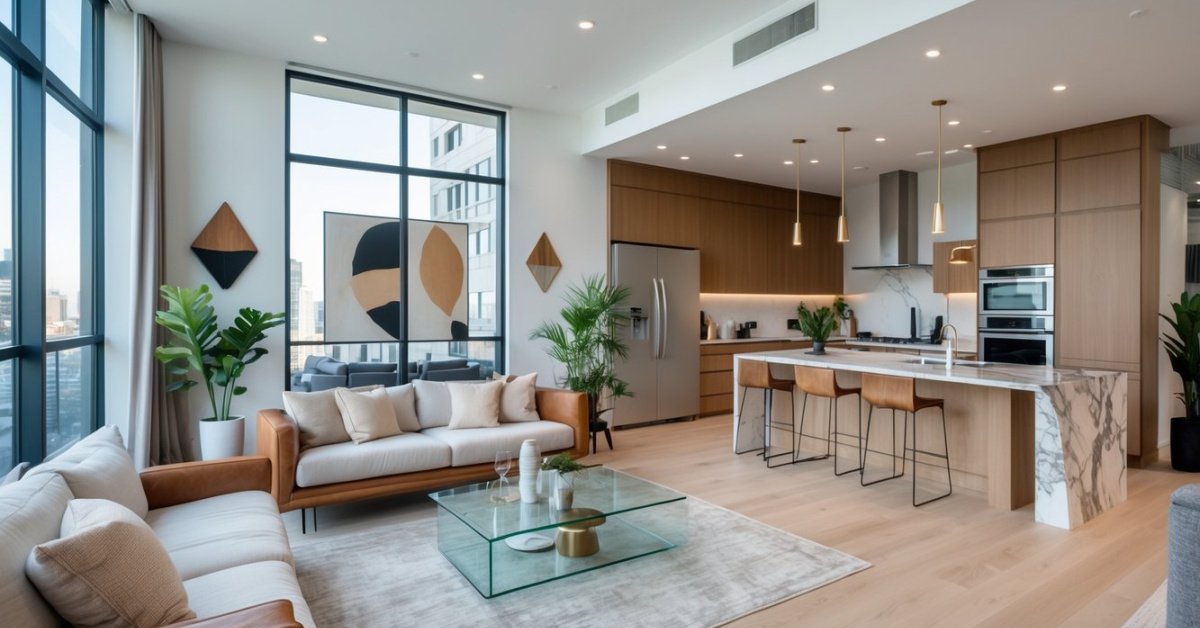
Open-plan apartments combine multiple living areas, like the kitchen, dining, and living rooms, into one large, seamless space. This layout promotes versatility and fosters connection, especially in smaller units, by maximizing the usable square footage.
In my experience fixing up apartments, I’ve noticed open-plan layouts are ideal for creating multifunctional spaces. Without walls segmenting areas, there’s more freedom to design according to your lifestyle. For example, a compact sofa can separate the living space from the kitchen, while shelving units serve as subtle room dividers.
These apartments, however, require thoughtful design. Without defined rooms, there’s a risk of spaces feeling cluttered or impersonal. I’ve often addressed this by incorporating cohesive color schemes, rug placement, and furniture scaling to shape distinct zones. For instance, a darker rug in the “living room” anchors the seating area, while a light-colored dining table stands out near natural light sources.
By layering design elements properly, open-plan apartments easily transform into comfortable and stylish environments reflecting their occupants’ needs.
Key Principles Of Furniture Layouts
In open-plan apartments, thoughtful furniture placement makes all the difference. I approach every layout with a focus on maximizing space, defining zones, and ensuring a balance between style and practicality.
Maximizing Space
Making the most of every square foot transforms small or awkward layouts into functional homes. I prioritize multi-purpose furniture, like a storage ottoman or a sofa bed. Wall-mounted shelves and foldable tables help free up floor space. In tighter areas, I opt for pieces with slim profiles and exposed legs to create an airy feel. Incorporating vertical storage boosts capacity without crowding the space.
Creating Defined Zones
Open layouts thrive on clear separation of areas without walls. I use rugs to anchor sections like the living or dining area. Lighting choices, like a pendant over the dining table or a floor lamp near a reading chair, help visually divide spaces. Low-profile dividers, like bookcases or consoles, subtly frame each zone. Maintaining cohesive colors ties everything together while still distinguishing each area.
Balancing Aesthetic And Functionality
Practicality never has to come at the cost of design. I choose furniture for its utility, then ensure it contributes to the overall look of the apartment. For example, nesting tables double as storage yet remain stylish. Neutral shades on larger pieces make rooms feel light and open, while accents like throw pillows or art introduce warmth and personality. By sticking to proportional furniture, I ensure spaces feel neither cramped nor sparse.
Best Furniture Layout Ideas
Creating functional, stylish furniture layouts in open-plan apartments requires blending practicality with thoughtful design. These setups optimize space while offering versatility and comfort, no matter the apartment’s size.
Layouts For Small Open-Plan Apartments
Arranging furniture in small open-plan apartments means prioritizing multi-purpose pieces and maximizing efficiency without sacrificing style.
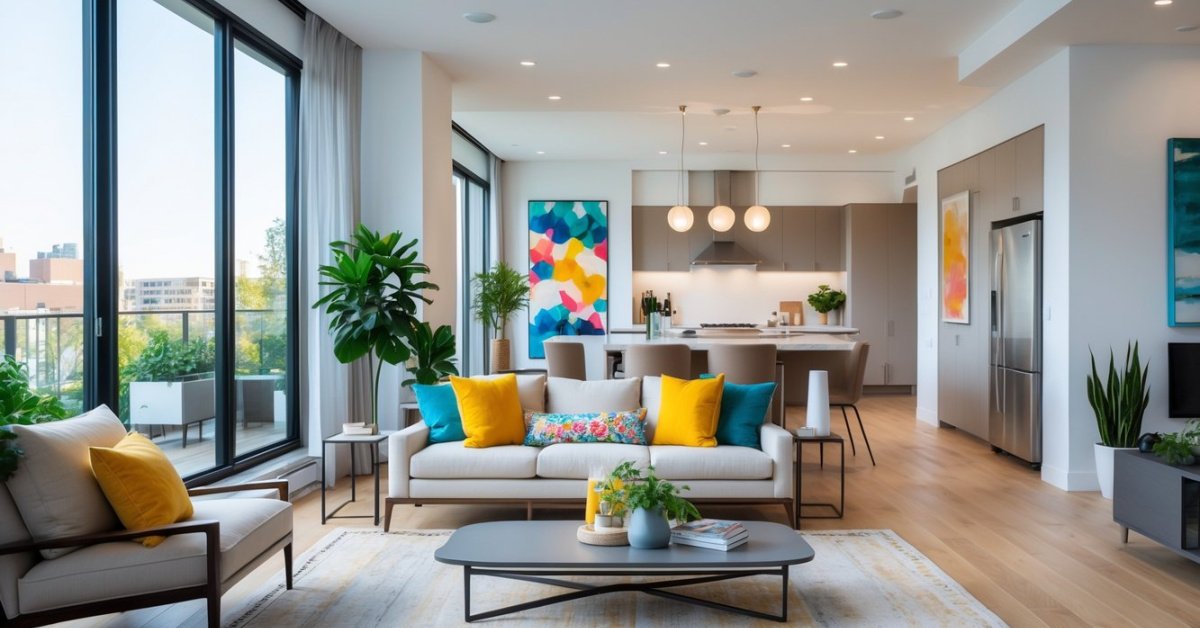
- Zoned Living Areas: Define spaces like the living, dining, and kitchen areas using small rugs for visual separation. For example, place a 5’x8′ rug under the sofa to anchor the living area while a smaller one designates the dining space.
- Compact Furniture: Choose slim, armless chairs, extendable dining tables, or wall-mounted desks. In one apartment flip I worked on, a narrow console table doubled as a workstation when paired with a foldable chair.
- Vertical Storage: Use tall shelving units or corner bookshelves to make the most of limited square footage. I often install floating shelves to store items without cluttering the floor.
- Space Dividers: Low-back sofas or open-backed bookcases create subtle divisions while maintaining the open feel.
Layouts For Large Open-Plan Apartments
Larger open-plan apartments allow for more expansive layouts, letting you create distinct, functional zones while maintaining a cohesive flow.
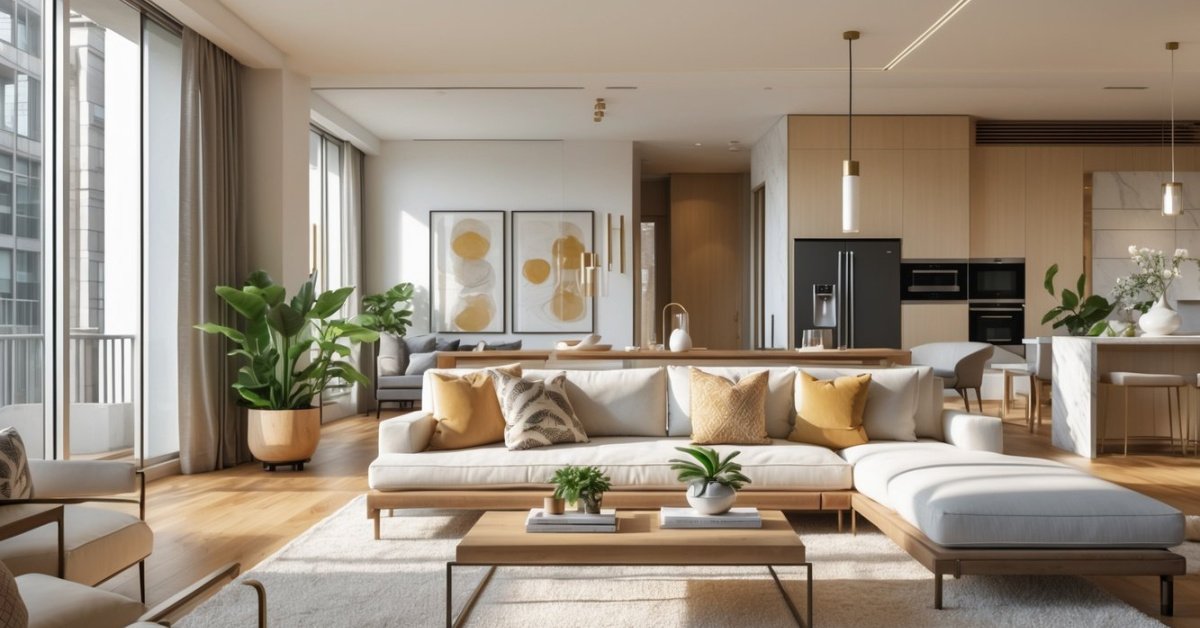
- Floating Furniture Arrangements: Instead of lining furniture along walls, pull pieces like sofas or accent chairs into the center to form intimate seating areas. When staging a large space, I love adding a freestanding fireplace or console in between zones to act as a focal point.
- Oversized Pieces: Balance the scale of the room by adding larger furniture like sectional sofas or full dining sets. In my last project, an 8-seater dining table paired beautifully with pendant lighting to visually anchor the space.
- Layered Lighting: Incorporate a mix of pendant lights, floor lamps, and sconces to highlight different zones. For example, place adjustable lamps near reading corners or bar-height lighting over kitchen islands.
- Statement Decor: Use large artwork or bold area rugs to ground zones and bring personality to the space. A 10’x14′ rug under the main seating area can tie a room together while keeping the layout organized.
Recommended Furniture Pieces And Arrangements
Designing layouts for open-plan apartments combines creativity and strategy. I focus on furniture that optimizes space and enhances functionality without sacrificing style. Here’s how you can achieve a seamless, practical design.
Multi-Functional Furniture
Pieces that serve multiple purposes simplify open-plan living. I recommend sofa beds, storage ottomans, and extendable dining tables for compact apartments. For example, a lift-top coffee table can function as both a dining surface and extra storage for essentials like blankets or board games. Murphy beds fit especially well in small layouts, disappearing into the wall when not in use to free up floor space.
Seating Arrangements
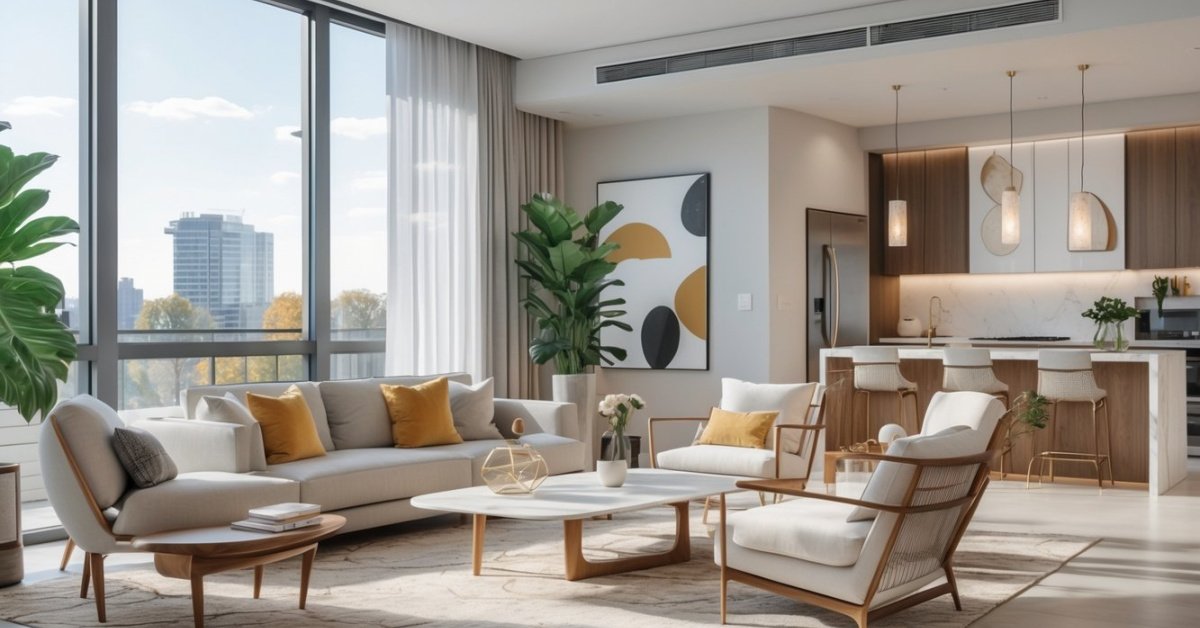
I use furniture placement to define zones. Floating sofas can divide living and dining areas without creating a physical barrier. For tiny apartments, I suggest placing a loveseat against a wall while pairing it with sleek armless chairs to keep the room feeling open. Sectionals work great in larger spaces, especially when anchored with a large rug. Keeping traffic pathways clear between seating ensures functionality.
Storage Solutions
Creative storage maximizes usability. I rely on vertical storage like tall bookcases and shelving units to make the best use of wall space. Storage benches by entryways or at the foot of a bed add utility without extra bulk. For clutter control, dresser-style TV consoles or cabinets with hidden compartments work beautifully in open layouts. These solutions keep the aesthetic clean while maintaining practicality.
Common Mistakes To Avoid
Even the best open-plan designs can fall short when common placement errors disrupt functionality and flow. Here’s what I’ve learned to avoid in my years redesigning apartments.
Ignoring Traffic Flow
Carefully planned walkways maintain ease of movement in open spaces. I’ve seen layouts where furniture blocks pathways or forces people to navigate around bulky pieces. Always leave at least 3 feet of clearance in high-traffic zones, like between the kitchen and dining area. Arrange sofas, chairs, or tables so they don’t interrupt natural walking lines. For example, floating a sofa in the center of a room might look great, but if it stops you from comfortably accessing other areas, it’s counterproductive.
Avoid placing tall or wide furniture near doorways or windows. Such arrangements create bottlenecks and diminish natural light, making the space feel tight. Instead, position larger items along walls or in corners to frame the area while keeping pathways open.
Overcrowding The Space
Overstuffing a room with furniture or decor undermines an open-plan apartment’s airy appeal. I’ve walked into homes where oversized sectionals or too many small tables made the space feel cramped instead of inviting. Limit furniture to essential pieces that fit appropriately without overwhelming the layout. For instance, instead of cramming multiple chairs around a coffee table, try a compact sectional paired with a pouf or sleek armchair.
Rely on cohesive, functional designs to reduce visual clutter. Use double-duty furniture like a dining table that doubles as a workspace or a storage bench at the end of the sofa. When designing apartments, I often suggest vertical storage solutions, such as tall bookcases or wall shelves, to relocate smaller items off the floor and leave breathing room in the overall layout.
Conclusion
Living in an open-plan apartment offers endless possibilities for creativity and personalization. With the right furniture layout, you can transform the space into a functional, stylish, and inviting home that suits your lifestyle. It’s all about finding the perfect balance between practicality and design while making the most of every square foot.
Whether your apartment is small or spacious, thoughtful planning and smart furniture choices can make a world of difference. By defining zones, prioritizing multi-functional pieces, and keeping the layout airy and cohesive, you’ll create a space that feels both comfortable and uniquely yours.