Key Takeaways
- Proper lighting enhances apartment decor by setting the mood, highlighting textures, and showcasing key design elements.
- Layering ambient, task, and accent lighting creates depth and balance while improving functionality and style.
- Choosing energy-efficient bulbs like LEDs and CFLs saves costs and allows for adjustable brightness to suit different activities.
- Decorative fixtures, such as pendant lights or wall sconces, double as stylish focal points while optimizing smaller spaces.
- Using dimmers adds versatility to lighting, allowing for easy transitions between functional and cozy atmospheres.
- Avoiding common mistakes like overlighting, underlighting, or mismatched fixture sizes ensures a harmonious and inviting space.
When it comes to decorating an apartment, lighting often gets overlooked, but it’s one of the most powerful tools to transform any space. The right lighting doesn’t just brighten up a room—it sets the mood, enhances your decor, and even makes your favorite pieces stand out. I’ve learned that a well-lit space can completely change how you feel about your home.
Whether you’re working with a cozy studio or a spacious loft, lighting can highlight textures, colors, and details you want to showcase. It’s all about creating the perfect balance between function and style. Trust me, with a few thoughtful adjustments, you can turn your apartment into a space that feels both inviting and uniquely yours.
Importance Of Lighting In Apartment Decor
Lighting completely transforms how an apartment feels and functions. It’s not just about illuminating a space; it’s about emphasizing the best features in your decor and making a small apartment appear more open and inviting. As someone who’s worked on countless apartment flips, I’ve seen how the right lighting can enhance even the smallest details—like a textured wall or a bold accent piece.
Strategic lighting enhances apartment layouts. In smaller spaces, layering light effectively removes shadows, which can make rooms feel cramped. For example, I always recommend combining ambient light with accent lighting to draw attention to standout decor, like a gallery wall or a unique piece of furniture.
Lighting creates a mood that complements decor themes. Warm lighting pairs beautifully with rustic or minimalist styles, while cool lighting works better with modern and industrial designs. When I design spaces, I often use dimmers to adjust lighting intensity, allowing the decor to adapt to changing times of day and activities.
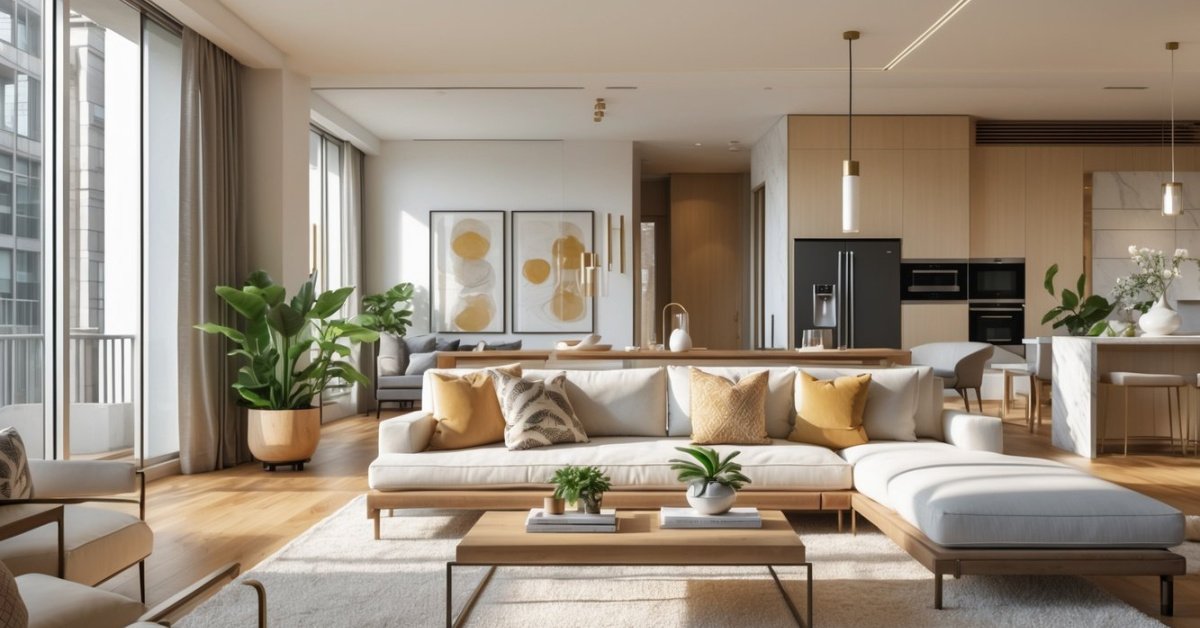
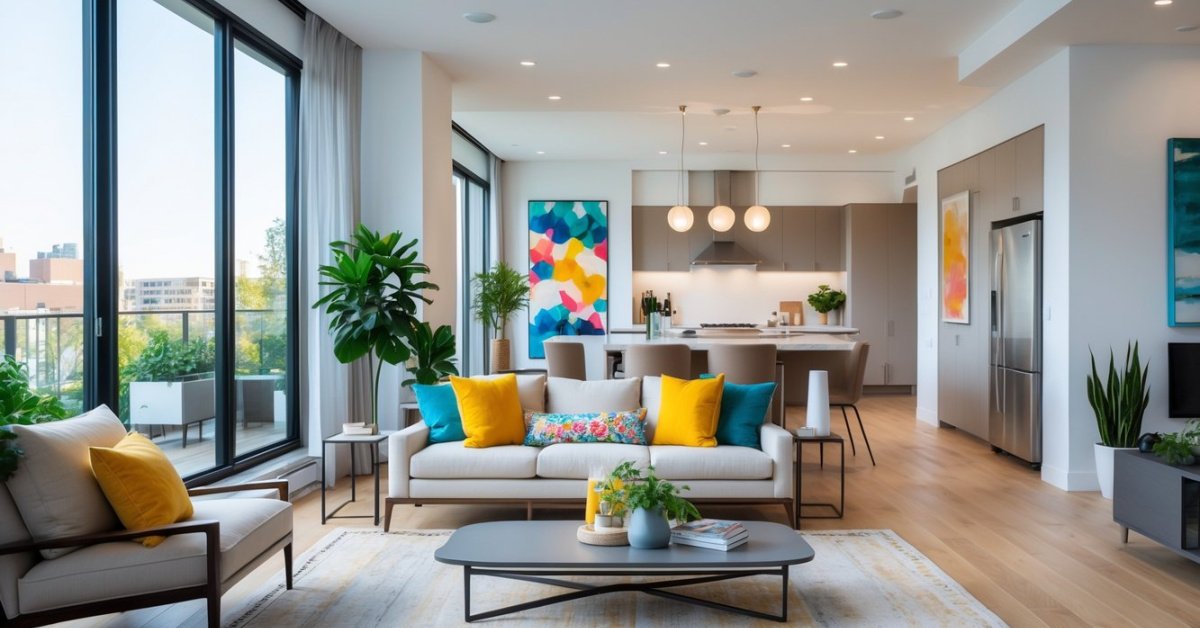
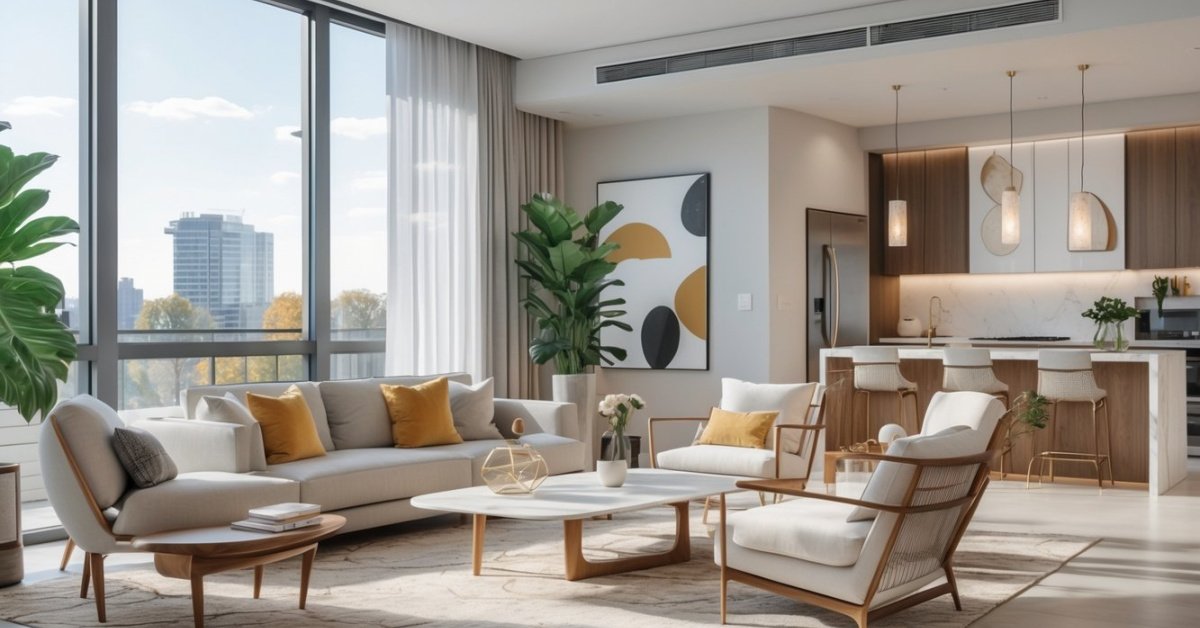
Highlighting textures and colors depends heavily on lighting placement. A pendant light over a dining table accentuates its finish, while wall-mounted sconces soften nighttime reading corners. I often use LED strip lighting along shelves or under cabinets to showcase displays or add depth to plain surfaces.
Effective lighting also boosts usability in multipurpose spaces. Apartments often blend living, working, and entertaining areas. Task lighting, like desk lamps or under-cabinet lights, makes functional spaces more practical without overwhelming the overall decor.
In my experience, investing in good lighting pays off across the board. It adds value, optimizes smaller spaces, and brings out the personality in every design element.
Types Of Lighting To Consider
Lighting plays a crucial role in transforming an apartment’s decor. I always focus on layering different types of lighting to create depth, highlight design elements, and make limited space feel more dynamic. Here are the key types of lighting I recommend.
Ambient Lighting
Ambient lighting provides overall illumination and sets the foundation for any apartment’s lighting plan. I often use ceiling-mounted fixtures, recessed lights, or chandeliers to evenly light spaces. For apartments with lower ceilings, flush-mount or semi-flush fixtures work well without crowding the room. When flipping smaller properties, I sometimes use smart bulbs or dimmable options to create flexible moods, keeping the lighting adaptable for various activities.
Task Lighting
Task lighting focuses on specific activities like cooking, reading, or working. In kitchens, I prefer under-cabinet LED strips because they brighten countertops without adding clutter. For home offices or work nooks, adjustable desk lamps help control light direction. When staging apartments, I pair sleek swing-arm wall sconces or floor lamps with seating areas, ensuring both function and style complement the decor. Strategically placed task lights also double as subtle design accents.
Accent Lighting
Accent lighting highlights key decor features like artwork, texture, or architectural details. I often use track lighting to draw attention to gallery walls or framed photos. To add a modern touch, I incorporate LED strips into shelving or cabinets, perfect for displaying vases or collectibles. Spotlights work great above fireplaces or in small alcoves, giving unique features the attention they deserve. In flips, well-planned accent lighting helps elevate the entire space’s aesthetic.
Choosing The Right Fixtures And Bulbs
The right light fixtures and bulbs can dramatically impact how decor stands out in an apartment. I always focus on combining functionality with style to highlight key design elements while optimizing space.
Energy-Efficient Options
Energy-efficient fixtures and bulbs help save on costs while enhancing decor. I often recommend LED bulbs since they consume 75% less energy and last up to 25 times longer than traditional incandescent bulbs. Smart bulbs with adjustable brightness and color temperatures are another favorite of mine. They let you change the ambiance from warm to cool tones, fitting different moods and times of day.
Compact fluorescent lamps (CFLs) are also a solid choice for general lighting. These are perfect for overhead fixtures or portable lamps where consistent brightness is key. For task-oriented spaces like kitchens, under-cabinet LED strips work well—they focus light exactly where you need it while maintaining energy efficiency.
Decorative Lighting Fixtures
Decorative fixtures double as focal points in smaller spaces. I love recommending statement pieces like pendant lights for dining areas or living rooms. They add a touch of sophistication without overwhelming the space. Wall sconces work great in hallways or bedrooms, offering both character and functionality by providing soft, indirect lighting.
In smaller apartments, multipurpose fixtures like arc floor lamps are practical and stylish. Chandeliers with slim profiles are excellent for higher ceilings, while geometric or industrial designs suit modern aesthetics. For those who enjoy minimalist decor, flush mounts or recessed lighting keep things sleek and unobtrusive yet effective.
These elements help transform any apartment, allowing decor to shine while creating a comfortable, well-lit environment.
Techniques To Highlight Decor With Lighting
I always say that lighting can make or break an apartment’s decor. With thoughtful techniques, any space can feel bigger, brighter, and perfectly styled to highlight its best features.
Layering Light
Layering light creates depth while enhancing decor elements. I combine three types of lighting: ambient, task, and accent. Ambient lighting, like ceiling-mounted fixtures or recessed lights, forms the base of any room. For task lighting, I use under-cabinet strips in kitchens or adjustable lamps in workspaces to target functional areas. Accent lighting, such as track lights or picture lights, highlights artwork or architectural details. Mixing these layers ensures that the apartment feels balanced and visually engaging.
Focal Points And Accents
Effective lighting draws attention to decor highlights. When I flip apartments, I love using pendant lights over dining tables to create a centerpiece that feels intentional. For wall art, I add LED picture lights to make them stand out without overwhelming the room. Accent lighting under shelves or around built-ins works beautifully to showcase decor while creating subtle, stylish ambiance. Highlighting focal points this way ensures every design element gets the attention it deserves.
Using Dimmers For Versatility
Dimmers let me adjust lighting to fit activities and moods easily. I install dimmer switches in living rooms and bedrooms to transition from functional brightness to a cozy atmosphere. Smart dimmable bulbs work well for smaller spaces where you don’t want multiple switches or bulky fixtures. With dimmable lighting, even a compact apartment can feel personalized and dynamic throughout the day or night.
Common Mistakes To Avoid
Getting the lighting just right in an apartment isn’t always easy. Over the years, I’ve seen countless mistakes that take away from the beauty of a space instead of enhancing it. Avoiding these missteps ensures your decor shines where it matters most.
Overlighting Or Underlighting
Too much or too little lighting often disrupts the balance of an apartment. Overlighting, like using harsh ceiling lights everywhere, can make a space feel cold and clinical rather than cozy and inviting. On the other hand, underlighting leaves areas shadowy and dull, hiding the details you’ve worked hard to create.
I recommend layering light sources—ambient for overall illumination, task lighting for function, and accent lighting for highlights. For example, use track lighting to brighten artwork or pendant lights to focus attention on kitchen islands. Don’t rely on one bright central light or leave corners in darkness.
Ignoring Scale And Proportion
Choosing light fixtures that don’t match the space’s size throws off the design balance. Oversized chandeliers can overwhelm a small living room, while tiny table lamps might get lost in a larger space.
I always check the dimensions of the room and furniture before selecting fixtures. For instance, in a compact dining area, I use smaller pendants or low-profile fixtures to avoid overcrowding. In larger open-concept apartments, bold fixtures add character without looking awkward. Matching fixture sizes with the room creates harmony and ensures lighting complements, not competes, with decor.
Conclusion
Lighting truly has the power to elevate any apartment, no matter the size or style. With a little creativity and attention to detail, it’s possible to highlight your decor, enhance functionality, and create a space that feels uniquely yours.
The right lighting choices can completely transform how a room looks and feels, making your home more inviting and reflective of your personality. By experimenting with different layers, styles, and placements, you’ll discover just how much of a difference thoughtful lighting can make.