Key Takeaways
- Layering warm textiles, such as chunky throws, high-pile rugs, and heavy curtains, creates a cozy and insulated space perfect for winter comfort.
- Incorporating ambient lighting with warm-toned bulbs and layered light sources enhances the mood and combats winter’s harshness.
- Adding seasonal accents, like neutral-toned pillows, festive wreaths, or string lights, brings personality and charm to your apartment while keeping it functional.
- Rearranging furniture to create intimate seating areas and block drafts improves warmth, comfort, and energy efficiency during the colder months.
- Bringing in greenery and natural materials, such as winter-friendly plants or wood accents, adds warmth and life to your winter decor.
When the temperatures drop and the days get shorter, there’s nothing better than coming home to a cozy, inviting apartment. Winter’s the perfect time to transform your space into a warm retreat that feels like a hug the moment you walk in. It’s not just about piling on blankets—it’s about creating an atmosphere that makes you want to linger a little longer.
I’ve always believed that small changes can make a big difference, especially when it comes to seasonal styling. Whether it’s adding soft textures, warm lighting, or a touch of seasonal charm, there are so many easy ways to make your apartment winter-ready. Let’s dive into some simple yet effective ideas to help you stay comfy and stylish all season long.
Why Winter Styling Matters
Winter styling transforms an apartment into more than just a living space—it becomes a sanctuary against the cold. In smaller spaces, every detail counts, and thoughtful design enhances both comfort and function. By focusing on warmth and texture, I help clients create rooms that feel inviting and practical throughout the colder months.
Seasonal changes put unique demands on apartments. In winter, spaces tend to feel darker and colder, making it vital to introduce elements that counterbalance these effects. Adding plush area rugs, layering soft, tactile fabrics like faux fur or wool, and using lighting with warm undertones improves both the look and feel of any room. These adjustments redefine how an apartment serves its occupants during this time of year.
Style impacts mood, especially in winter. I’ve seen how a carefully curated living room with cozy throws and candles can completely shift the atmosphere. It’s not just about aesthetics; it’s about making your apartment a place where you want to relax, host, and unwind. The goal is to maximize what you already have and add seasonal touches that make your space feel tailored and welcoming.
Choosing Warm Textiles
Winter is all about layering textures to create a sense of warmth and coziness. I often tell my clients that the right textiles can completely transform an apartment, especially in colder months.
Selecting Cozy Throws
Adding soft throws instantly elevates comfort. I prefer chunky knit or fleece options for their warmth and texture. Draping a throw over a sofa arm or across the foot of your bed adds both style and function. Neutral tones like beige, gray, or cream pair well with most decor, but seasonal colors like deep reds or forest greens can give your space a festive touch. Keep a basket nearby to store extra throws for guests.
Investing In Seasonal Rugs
Rugs are an easy way to add insulation while defining your spaces. I love using high-pile or wool rugs during winter for their plush feel and heat retention. In small apartments, placing a large area rug under your coffee table or dining set creates a cohesive look while protecting your feet from cold floors. Patterns like herringbone or geometric designs can add depth without overwhelming your room. Stick to durable, easy-to-maintain materials if you expect heavy foot traffic.
Adding Heavy Curtains
Thick curtains cut drafts and create a snug atmosphere. My go-to recommendation is velvet or thermal-lined curtains for winter—they look elegant and help trap heat. Mounting curtains closer to the ceiling elongates the appearance of the room while covering more of the window frame. Choose colors that complement your existing palette for a seamless look. If you’re renting and can’t change curtain rods, clip-on rings can make swapping curtains simple.
Incorporating Ambient Lighting
Lighting transforms a space’s mood and enhances winter comfort. I focus on layering light sources to create depth and warmth, especially in smaller apartments.
Using Warm-Toned Bulbs
Warm-toned bulbs, around 2700K to 3000K on the Kelvin scale, provide a soft, inviting glow. I always choose LED bulbs with dimming capabilities to customize brightness for different times of day. In spaces like the living room or bedroom, these bulbs mimic natural light, creating an intimate atmosphere that combats winter’s harshness. When styling, I prefer placing these bulbs in frosted or fabric-covered fixtures to diffuse light gently, avoiding harsh shadows. To complement the winter theme, consider using filament-style LED bulbs for vintage flair.
Adding Floor and Table Lamps
Floor and table lamps add dimension and usability in areas where ceiling lights fall short. In apartments, I often recommend floor lamps with adjustable arms for versatility in tight spaces. For tables, ceramic or wooden base lamps with textured shades work well to tie in with winter decor. I position lamps near seating areas or reading nooks, ensuring they’re both functional and aesthetically pleasing. Using multiple lamps in a room creates a layered look that feels warm without overwhelming the space. Keep cords out of sight with cord covers or clips for a clean, cohesive design.
Decorating With Seasonal Accents
Incorporating seasonal accents can bring personality and warmth to your apartment, making it feel inviting during winter. Thoughtful decor choices can turn even small spaces into a cozy retreat.
Using Earthy and Neutral Tones
Earthy and neutral tones create a foundation for seasonal decor while keeping your space versatile and balanced. I always lean on shades like beige, taupe, cream, or soft grays to enhance warmth without overcrowding the room. If you’re working with an open layout, this palette helps unify the space and makes it feel larger. Incorporating rustic elements like wooden bowls or rattan baskets ties in natural textures to complement these tones. Soft white candles and table runners in linen or burlap can also highlight the season without overpowering your decor.
When layering, I often advise using textiles in muted seasonal shades, like deep greens or burnt oranges, for pillows or throws. These colors pop subtly against a neutral base. If you’re dealing with limited storage, focus on multipurpose pieces like neutral-toned ottomans with hidden compartments or natural wood trays that also serve as decor.
Adding Festive Accessories
Adding festive accessories brings a winter-inspired charm while keeping things functional. I’m a big fan of using seasonal wreaths for front doors or blank walls. Opt for greenery like eucalyptus or pine—these not only add texture but can also be reused or refreshed. String lights can make an apartment feel whimsical; I typically recommend placing them along shelves, headboards, or window frames to avoid taking up floor space.
Tabletop elements, like decorative bowls filled with pinecones or ornaments, are easy to incorporate without cluttering. I also suggest swapping everyday dishware for seasonal items, like mugs with subtle snowflake patterns or plaid napkins, especially in small kitchens where these details are always visible. If you’re trying to maximize impact in a smaller room, use just one or two focal pieces, such as a plaid throw blanket or a small, decorated tree in a corner, to draw attention without overwhelming the design.
Maximizing Warmth Through Furniture Placement
During winter, furniture placement plays a critical role in creating a warm and inviting apartment. I’ve learned through years of flipping properties and designing spaces that small adjustments can make a big difference in both comfort and energy efficiency.
Creating Intimate Spaces
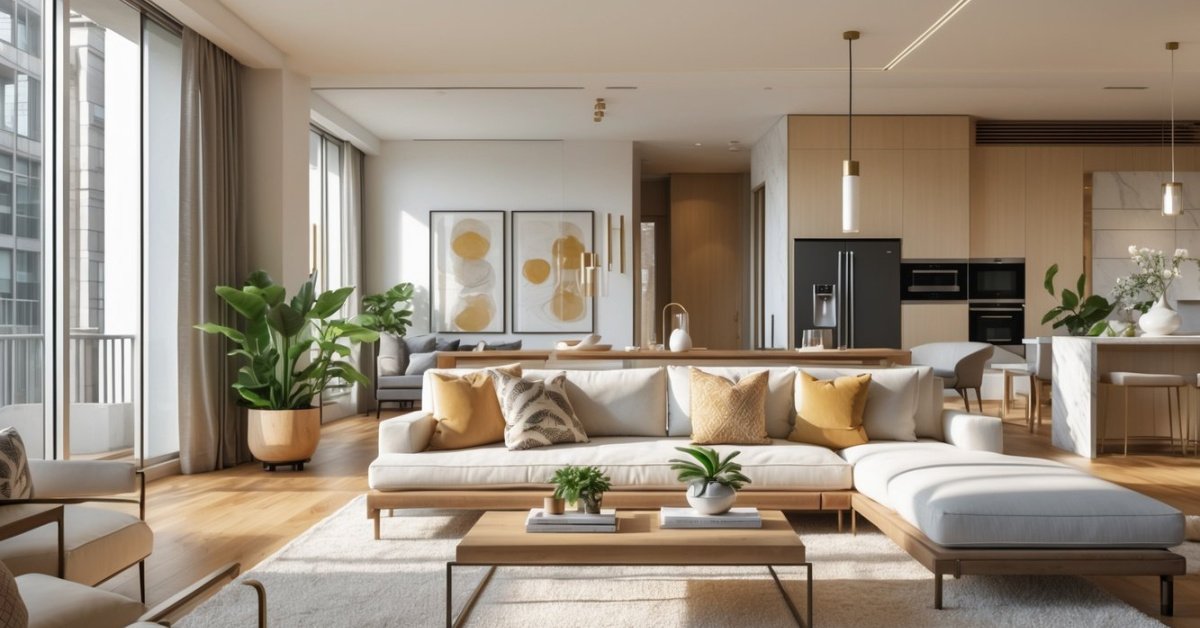
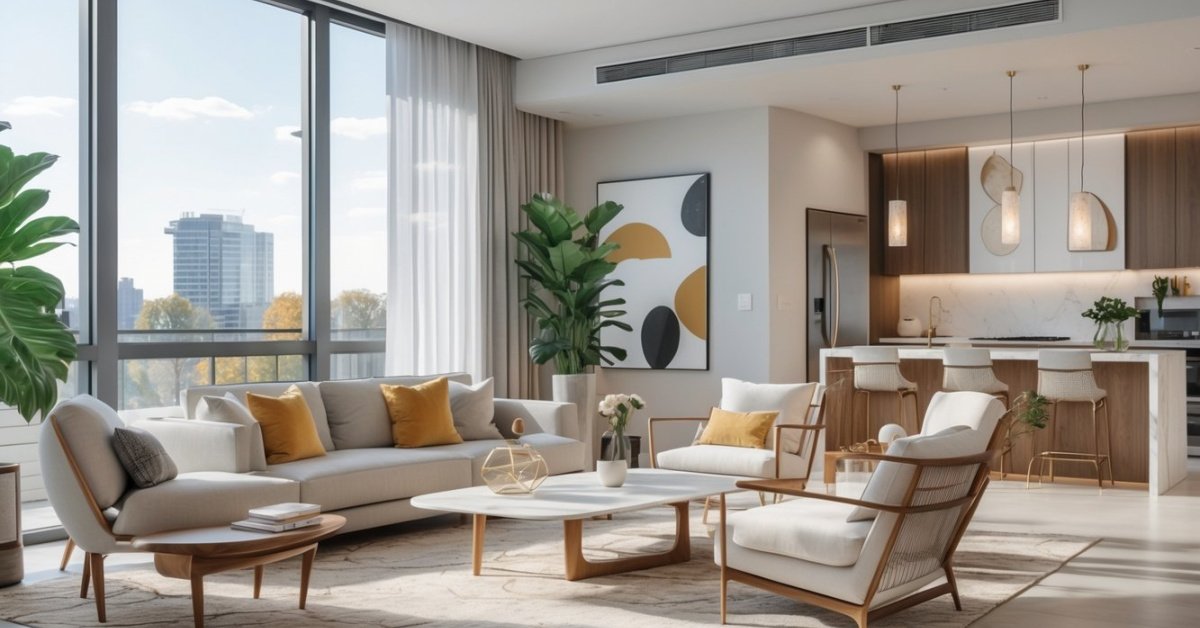
Arranging furniture to create small, cozy nooks helps make an apartment feel warmer. I always suggest pulling seating together into tighter groupings, like placing chairs close to the sofa or positioning a coffee table within easy reach. Placing furniture around a central rug anchors the space, keeping it visually and physically inviting. For example, use a thick, plush rug under your seating area to define the boundaries of an intimate zone.
Avoid placing furniture too far apart in open-plan apartments. In smaller spaces, I recommend organizing seating to encourage gathering, like setting up armchairs at angles that make conversations easier. This reduces empty areas that can feel cold and uninviting.
Blocking Drafts With Furniture Layout
Strategic furniture placement can help block drafts and improve warmth in your space. If your apartment has drafty windows or exterior walls, placing heavier furniture, like a bookcase or storage cabinet, against these areas acts as an extra barrier to the cold. When designing layouts for apartments, I often push upholstered chairs or sofas closer to interior walls, which are naturally warmer than those facing the outdoors.
For windows, place tall furniture like shelves or wardrobes nearby to help create a buffer zone. Use fabric elements in these setups, like draped throws or layered curtains, to insulate further while adding texture. If vents or radiators distribute heat unevenly, adjust furniture to ensure warm air circulates effectively, like positioning seating closer to the heat source but with enough room for airflow.
Greenery And Natural Elements
Bringing nature indoors adds warmth and life to any winter apartment. By incorporating greenery and natural materials, I ensure even the smallest spaces feel cozier and more inviting.
Adding Winter Plants
Select low-maintenance plants that thrive in low light during winter months. I often recommend options like snake plants, pothos, or ZZ plants to my clients, as they’re hardy and bring vibrant greenery to compact areas. Add seasonal touches by placing small evergreen branches or potted rosemary plants on shelves or side tables. For larger spaces, a potted Norfolk pine creates a subtle holiday vibe with minimal effort.
Choose neutral or rustic pots to complement winter decor. Terracotta, concrete, and wicker planters pair well with cool-weather textiles, grounding the room with natural textures while elevating the plants’ aesthetic appeal.
Using Natural Materials In Decor
Incorporate wood, stone, and other natural materials to add warmth and texture. I love using wooden trays on coffee tables to display candles or books. Walnut or oak bowls on dining tables double as functional storage and beautiful decor. Woven baskets are both practical and stylish for storing blankets or magazines.
Mix elements like driftwood or birch logs with other seasonal accents. I suggest placing logs in unused fireplaces or arranging a few pieces on mantels for added charm. Use stone coasters or marble trays to elevate smaller details and highlight their natural beauty. For a layered look, combine these materials with plush rugs or knit throws to create a harmonious, winter-ready apartment.
Conclusion
Winter is the perfect time to turn your apartment into a cozy haven that feels warm and inviting. With a few thoughtful changes, you can create a space that not only looks great but also feels like a true retreat from the cold. It’s all about layering textures, embracing warm tones, and adding those little seasonal touches that make a big difference.
By blending comfort with style, you can enjoy a winter-ready apartment that’s both functional and beautiful. So grab your favorite throw, light a candle, and settle in—you’ve got the perfect setup to make the most of the season.