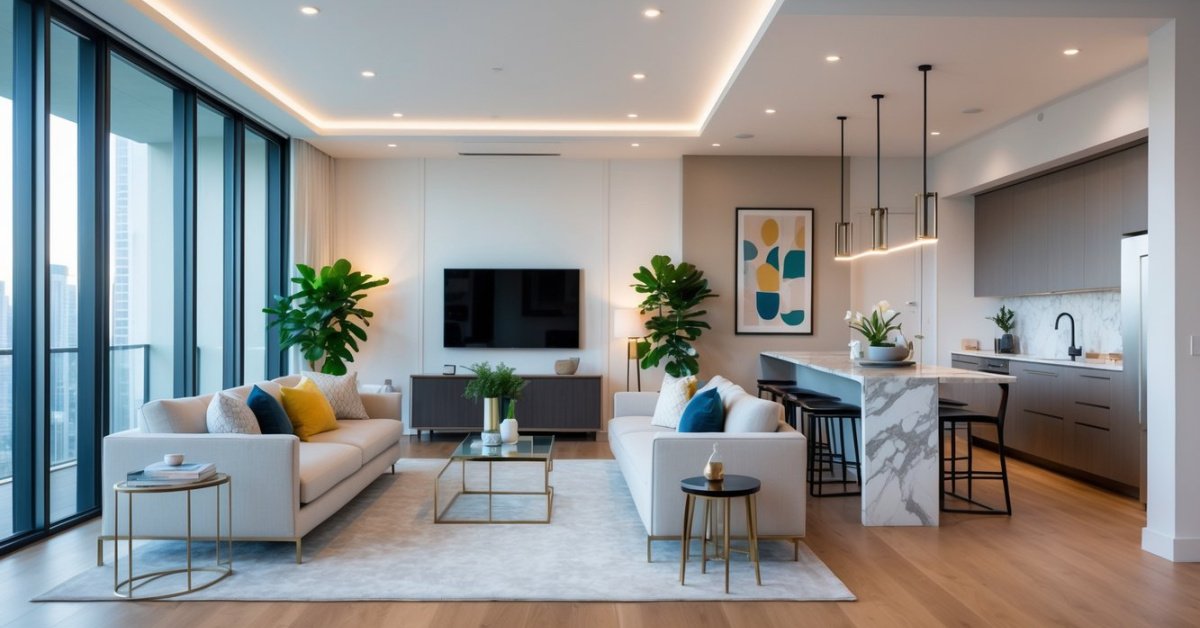
Key Takeaways
- Textiles instantly add warmth and personality to an apartment, transforming a cold space into a cozy and inviting home.
- Layering fabrics with varied textures, colors, and patterns creates depth and visual interest, enhancing both style and comfort.
- Rugs, throws, and pillows are versatile and budget-friendly options that define spaces, soften hard surfaces, and improve acoustics in compact apartments.
- Choosing high-quality, durable textiles ensures long-lasting style and functionality, even in high-traffic areas like living rooms or kitchens.
- Seasonal updates with lighter or cozier fabrics allow you to refresh your space while staying functional and on-trend year-round.
- The right textiles, tailored to your apartment’s aesthetic, bring cohesion to your decor while offering practical solutions for comfort and design.
When I first moved into my apartment, it felt more like a blank canvas than a cozy retreat. The walls were bare, the floors were cold, and something was missing. That’s when I discovered the magic of textiles. From soft rugs to plush throws, the right fabrics can instantly transform a space into a warm, inviting home.
Textiles don’t just add comfort—they bring personality and style to your apartment. Whether it’s a vibrant area rug that ties a room together or curtains that let in just the right amount of light, these details make all the difference. And the best part? You don’t need a huge budget to create that cozy, lived-in vibe.
Why Textiles Matter in Interior Design
Textiles transform a basic space into one that feels warm and inviting. From soft area rugs to cozy throw blankets, these elements can instantly change the atmosphere of a room. In apartments, where space can be limited, they also help define different areas, like separating a living room from a dining nook.
Textiles bring texture and depth that make a design feel complete. A velvet pillow adds luxury, while a woven rug introduces earthy vibes. Layering these materials enables you to create a space that’s visually and physically comfortable. I always encourage clients to mix fabrics like cotton, wool, and linen for variety.
They’re also critical for introducing color and pattern without commitment. If a client asks how to add personality to a neutral apartment, I recommend vibrant throws or patterned curtains. These pieces are easy to swap when tastes change, making them a flexible design solution.
Additionally, textiles improve acoustics. In hard-surfaced apartments with wood or tile floors, rugs and curtains absorb noise, creating a quieter and more serene environment. This feature is particularly valuable for city apartments where external noise can be an issue.
Investing in high-quality textiles is worth it, even in temporary spaces. Durable fabrics last through wear and tear, making them practical and stylish. I often suggest versatile options like washable slipcovers for sofas or fade-resistant outdoor rugs used indoors. These choices provide longevity while enhancing your living space.
Choosing the Right Fabrics for Your Space
Selecting the right fabrics transforms an apartment into a warm and inviting home. As a designer, I’ve seen how thoughtful textile choices can completely change how a space feels and functions.
Factors to Consider: Comfort vs. Style
Comfort and style both hold weight in any design decision. Fabrics like cotton or linen are breathable and soft, making them ideal for throws or pillow covers that get daily use. Comfortable pieces create a sense of relaxation, especially in spaces like living rooms or bedrooms.
Style ties your space together through textures, patterns, and colors. For a modern apartment, sleek options like velvet or leather offer sophistication. In a cozy or rustic apartment, woven materials like wool or jute—such as a chunky knit blanket or a textured rug—add warmth and depth. Balancing these factors is key when designing for smaller spaces.
How to Match Textiles with Your Apartment’s Aesthetic
Matching textiles to an apartment’s aesthetic enhances its overall flow. I always start by identifying the apartment’s dominant style—whether minimalist, bohemian, or industrial. For minimal designs, neutral tones and smooth fabrics like linen or microfiber can keep the space clean and calm. If it’s boho, colorful patterns in rugs or macrame wall hangings pair well with natural materials like cotton or wool.
In industrial spaces, textiles soften hard elements like concrete or exposed metals. I add leather ottomans, metal-accented woven throws, or dark area rugs to introduce texture without competing with the raw aesthetic. Always layer materials; for example, mixing a cotton quilt with a faux-fur throw can add dimension to your design.
Best Textiles to Transform Your Living Room
The right textiles can instantly make any living room feel more inviting and styled. As a designer focused on maximizing smaller spaces, I always recommend incorporating these cost-effective, high-impact options to elevate the space.
Cozy Throw Blankets and Pillows
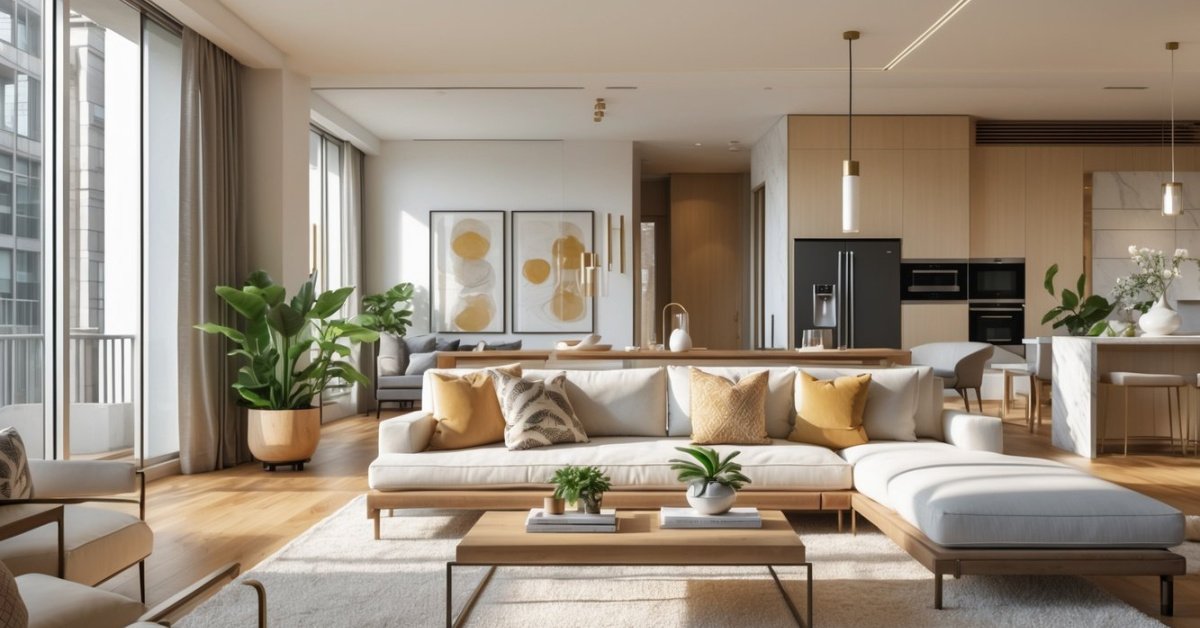
Throw blankets and pillows add both comfort and character. I gravitate toward neutral throw blankets made from materials like chunky knit wool or soft cotton for year-round use. Layering them over the back of a sofa or armchair softens the room’s atmosphere while showcasing texture. For extra depth, mix patterned and solid options in complementary colors.
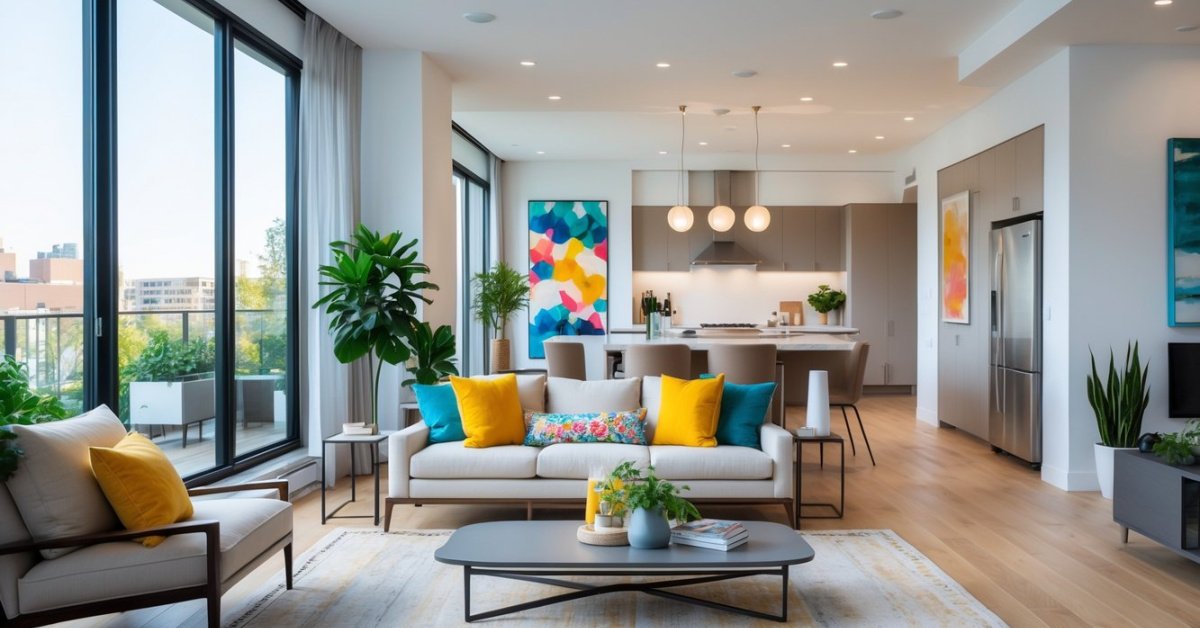
When it comes to throw pillows, variety matters. I aim for a combination of fabrics—like velvet, linen, and faux fur—and change the covers seasonally for a quick refresh. In smaller living spaces, coordinating pillow colors with wall art or area rugs ties the design together without feeling cluttered.
Stylish Rugs for Warmth and Texture
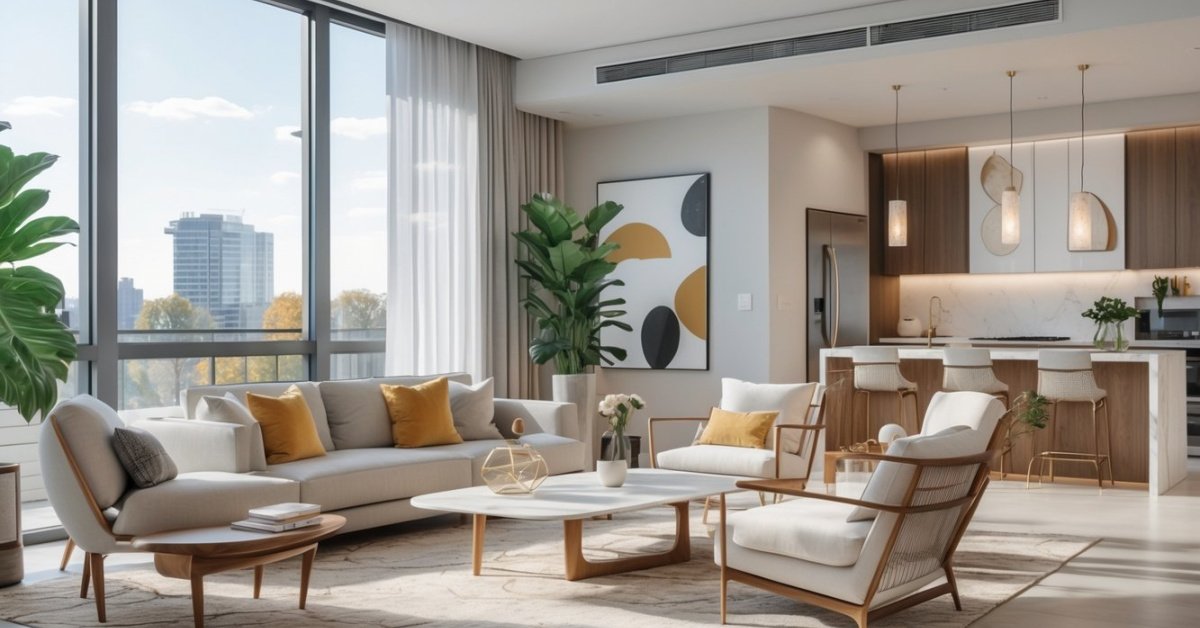
Rugs define zones in open layouts and anchor furniture arrangements. I recommend low-pile wool or synthetic-blend rugs for easy maintenance in high-traffic areas. A neutral or lightly patterned rug works well in minimal or industrial spaces, while vibrant colors enhance eclectic or bohemian styles.
Layering smaller rugs over a larger neutral base is another trick I use for visual interest. Adding a sheepskin runner under a coffee table or using a jute rug under a bold kilim instantly infuses depth. Rugs not only soften hard flooring like wood or tile but also improve acoustics, helping smaller apartments feel quieter and more cohesive.
Textiles for a Relaxing Bedroom Atmosphere
Creating a serene bedroom starts with selecting the right textiles. By focusing on comfort and functionality, it’s possible to transform even small spaces into a peaceful retreat.
Soft Bedding for Ultimate Comfort
I always recommend starting with high-quality bedding because it sets the foundation for a restful night. Look for breathable fabrics like cotton percale or linen to keep airflow consistent. In winter, layer with flannel sheets or a chunky knit wool throw for warmth. For apartments with limited storage, I suggest opting for a lightweight duvet with a removable, washable cover—simple to clean and easy to switch up with seasonal colors or patterns.
If you’re dealing with tight visual space, stick to a neutral palette, adding texture instead of bold designs to maintain a calm aesthetic. Pillows also matter; choose soft fiberfill options for decorative purposes and memory foam for sleeping support. Clients are often surprised at how much the right bedding can change a room’s vibe.
Curtains or Blinds to Set the Mood
Window treatments do more than block light—they anchor bedroom designs. Use blackout curtains for nights that demand deep rest and pair them with sheer panels for daytime softness. If your apartment is on a noisy street, consider thick, sound-absorbing fabrics like velvet or thermal lined options.
For modern designs, roller blinds work well; they’re sleek and space-efficient. I’ve also used roman shades in compact bedrooms to introduce pattern or texture without overwhelming the room. Hang curtains several inches above the window frame to draw the eyes upward and make ceilings feel taller.
Functional and Stylish Textiles for Your Kitchen
Kitchens in apartments often double as workspaces and gathering spots, so I focus on adding practicality and texture through thoughtful textiles. Choosing the right materials can make a big difference in both functionality and aesthetics.
Dish Towels and Runners
Dish towels are some of the hardest-working textiles in any kitchen. I always go for absorbent, durable options like cotton or linen blends, as they handle spills and drying dishes with ease. For a cohesive look, I suggest matching the towels’ colors or patterns to your kitchen’s theme—like bold stripes for a modern space or floral prints for a more classic one. I also love using them as decor elements by hanging them neatly on hooks or over the oven bar.
Runners are a simple way to add character to an apartment kitchen, especially in galley or open-concept spaces. A washable, stain-resistant runner made from natural fibers like jute or synthetic blends works great. Place it along the main working zone to protect flooring while adding warmth. Neutral tones help visually open small areas, whereas patterned designs create interest in minimalist spaces.
Cushioned Mats for Floor Comfort
Standing in the kitchen for long periods can get tiring, especially if you’ve got hard flooring like tile. Cushioned mats made of memory foam or gel can transform your cooking experience. I recommend snug, anti-fatigue mats with water-resistant surfaces to handle spills and splashes effortlessly. Choose neutral colors or subtle patterns to maintain versatility in design.
For apartments where layout matters, I look for options that fit under cabinets or in front of sinks without disrupting foot traffic. Using mats with textured surfaces can also prevent slipping and protect floors from heavy wear in high-traffic areas. Adding this functional textile can keep your kitchen looking sharp while offering extra comfort.
Tips for Mixing and Layering Textiles
Mixing and layering textiles can transform any apartment into a warm, inviting space. I always say it’s not just about adding fabrics but creating harmony through thoughtful combinations.
Colors, Patterns, and Textures
Start with a cohesive color palette. Limit it to three main colors and a few coordinating shades, especially in small apartments where cohesion matters most. For example, in a modern minimalist space, neutrals like beige, gray, and white pair beautifully with muted greens or blues.
Add patterns sparingly to avoid overwhelming the space. Use stripes, geometrics, or florals on smaller pieces like throw pillows or blankets. For flexibility, stick to patterned accents that complement solid-colored rugs or curtains.
Incorporate textures to create dimension. Pair soft materials like velvet or chenille with rougher ones like jute or linen. For instance, layer a plush throw over a textured knit or a smooth leather sofa with chunky woven pillows for balance.
Seasonal Updates to Keep Your Apartment Fresh
Lighten up the space in summer. Switch out heavy fabrics like wool or fleece for airy cotton or linen in soft pastels or bright colors, such as blush or light yellow. Use thin, breathable curtains to let natural light in without sacrificing privacy.
Warm things up in colder months. Add layers with cozy fabrics like sherpa, faux fur, or cable-knit throws. Opt for deeper tones like burgundy, forest green, or navy for a richer look. Layer area rugs—try a flat-weave base rug topped with a soft, high-pile accent rug—for added warmth.
Rotating seasonal textiles keeps your apartment feeling fresh all year and allows you to experiment with new aesthetics while maintaining a functional, well-designed space.
Conclusion
Creating a homey and inviting apartment is all about the thoughtful use of textiles. From cozy throw blankets to durable rugs and breathable bedding, the right fabrics can transform any space into a reflection of your style and comfort. They bring warmth, texture, and personality while also serving practical purposes like noise reduction and light control.
By investing in quality pieces and layering different materials, you can create a space that feels both functional and stylish. Whether you’re refreshing your living room, bedroom, or kitchen, textiles offer endless possibilities to make your apartment truly feel like home.