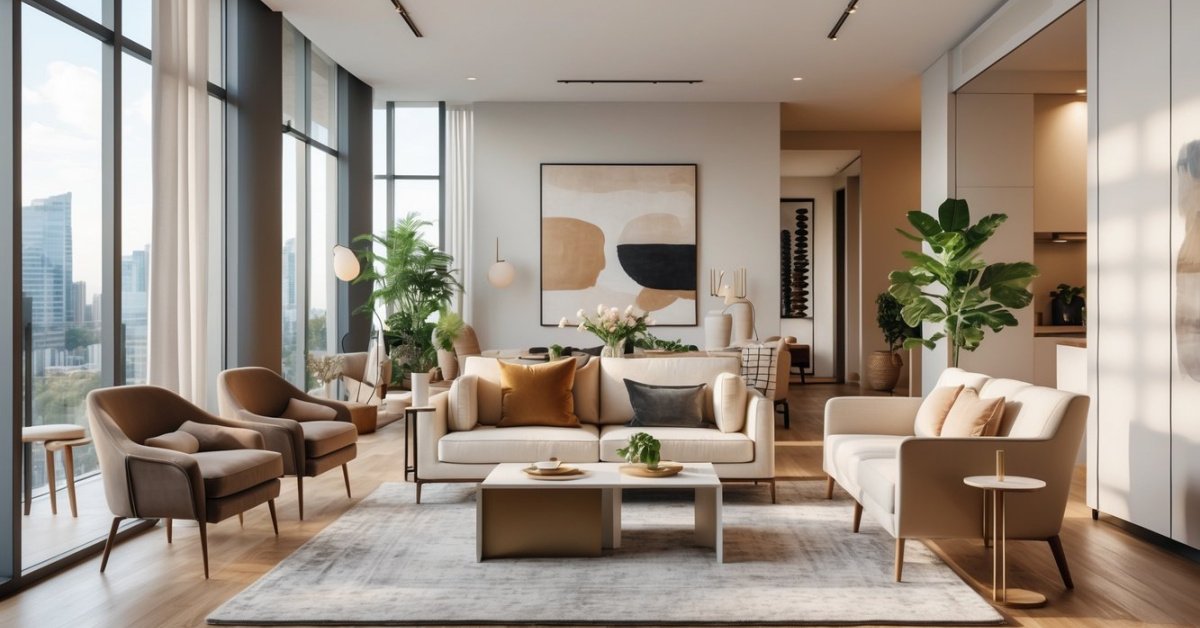
Key Takeaways
- Coastal decor colors like soft blues, sandy neutrals, and light greens create a calming, airy atmosphere, perfect for smaller apartment spaces.
- Neutral tones such as white, beige, and taupe act as a versatile foundation, mimicking sandy beaches and enhancing natural light.
- Shades of blue, from light aqua to navy, evoke the ocean and pair beautifully with soft pastels or hints of seafoam green for added depth and balance.
- Light-reflective colors like creamy whites and pale grays amplify natural light and make small spaces feel open and inviting.
- Incorporating coastal textures, like jute rugs, linen throws, and woven rattan furniture, complements the color palette while adding depth and charm.
- Accent walls in soft coastal hues and strategically placed decor pieces, paired with crisp white elements, maintain a cohesive and tranquil seaside vibe without overwhelming the space.
Whenever I think of coastal decor, I picture breezy spaces filled with light and soothing colors that instantly make me feel relaxed. Bringing that seaside charm into an apartment might seem tricky, but it’s all about choosing the right palette. Even without an ocean view, the right colors can transform your space into a serene coastal retreat.
From soft blues to sandy neutrals, coastal-inspired hues create a calming atmosphere that feels fresh and inviting. Whether you want a subtle nod to the beach or a full-on seaside vibe, the right colors can make even the coziest apartment feel like a getaway. Let’s dive into the best shades to bring that effortless coastal charm into your home.
Why Coastal Decor Is Perfect For Apartment Living
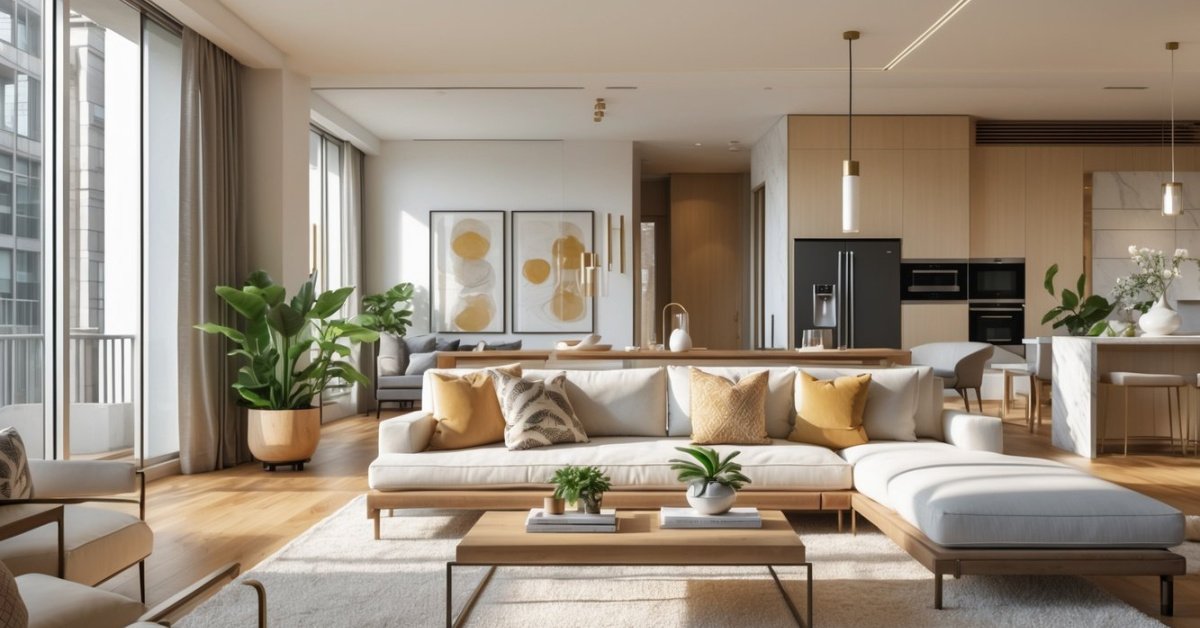
Coastal decor works beautifully in apartments because it makes spaces feel open and airy, even when square footage is limited. Light, reflective color palettes like whites, soft blues, and sandy neutrals create the illusion of larger rooms by maximizing natural light. This is essential in smaller apartments that rely on strategically chosen design elements to avoid feeling cramped.
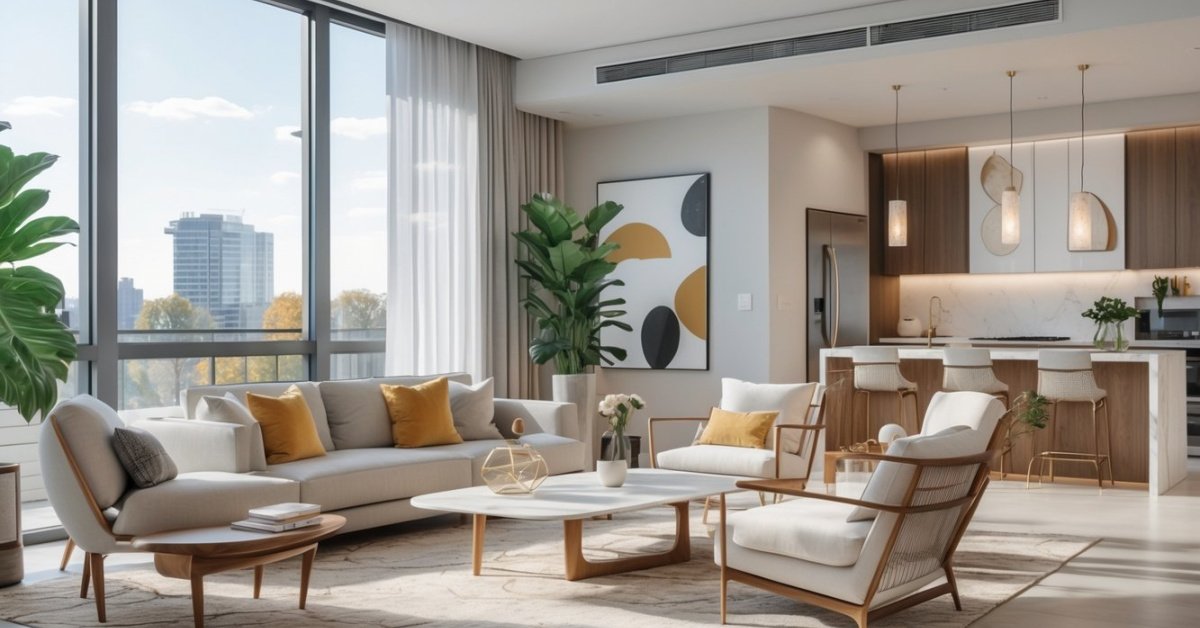
I’ve found that coastal decor pairs seamlessly with apartment features like smaller windows or compact layouts. Light furniture finishes and minimalistic styling, both hallmarks of coastal design, prevent overcrowding while maintaining a stylish, cohesive look. Textures like linen, jute, and light woods add depth without overwhelming the space.
Another great benefit is coastal decor’s flexibility; it works with varying apartment styles, from modern to transitional. By mixing weathered wood accents with clean-lined furniture or adding elegant coastal-inspired lighting, renters and owners alike can enhance the charm of their living spaces. The breezy, beach-inspired vibe fits perfectly with the relaxed energy many people seek in apartment living.
Key Elements Of Coastal Color Palettes
When designing an apartment with coastal decor, choosing the right colors is essential to capturing a bright, breezy atmosphere. Coastal palettes emphasize natural tones and ocean-inspired hues that make any small space feel open and inviting.
Neutral Tones
Neutral tones like white, beige, and soft taupe lay the foundation for a coastal vibe. These colors mimic sandy shores and create a crisp, clean backdrop, perfect for layering other seaside-inspired shades. I often use white to brighten walls or beige for furniture upholstery to maintain that airy, spacious feel every apartment needs.
Shades Of Blue
Shades of blue immediately evoke a sense of the ocean and sky. Light blue or aqua walls can open up a room, while navy accents like throw pillows or rugs add depth without overwhelming the space. In my design projects, I love blending multiple blue tones to mimic the gradient of coastal water.
Hints Of Green
Hints of green, like sage or seafoam, bring the natural outdoor elements inside. Incorporating these softer greens in curtains, plants, or small decor pieces adds balance and complements blues and neutrals beautifully. For example, a seafoam green area rug can anchor a seating area while keeping with the coastal theme.
Soft Pastels
Soft pastels like blush pink, lavender, or pale yellow provide subtle warmth to the palette. While they’re not traditionally dominant in coastal designs, they work beautifully as accent colors. I love using blush on throw blankets or in framed coastal artwork to soften the room without taking focus away from primary colors.
Best Coastal Decor Colors For Small Spaces
Choosing the right colors transforms small spaces, making them feel open and inviting. For coastal decor, lighter shades create the perfect balance of serenity and space.
Creating The Illusion Of Space
Soft neutrals like white, beige, and light gray open up small rooms, giving the appearance of larger square footage. I’ve seen clients amazed when a fresh coat of off-white revitalizes their space, creating depth without overcrowding it. Pale blues or aquas are my go-to for introducing dimension, mimicking tranquil sea and sky tones. Using the same color family for walls, trim, and furniture helps keep the design cohesive, avoiding visual fragmentation that can make a room feel smaller.
In narrow areas, like hallways or studios, accent walls in cool tones such as seafoam green or misty blue add a subtle, refreshing contrast without overwhelming. For example, painting a single wall behind the bed or couch allows the color to pop while maintaining the spacious feel of the surrounding neutrals.
Highlighting Natural Light
Light-reflective colors amplify natural light, making a room appear brighter and airier. Coastal whites with warm undertones, like soft ivory or creamy vanilla, enhance sunlight and prevent spaces from feeling too stark. I recommend sheer window treatments in sandy beige or pale gray to diffuse light while maintaining privacy.
Keeping finishes matte or satin instead of high-gloss helps light interact naturally with the room’s surfaces. When small apartments lack windows, mirrors strategically placed opposite light sources or painted in cool coastal tones, like sky blue, bounce light beautifully. For example, a large mirror above a console table can reflect warm whites or delicate aquas throughout the room, elevating the bright, coastal feel.
Combining Texture With Coastal Colors
Integrating texture with coastal colors elevates the aesthetic while keeping spaces dynamic and inviting. Layering different materials enhances depth without overwhelming an apartment’s scale.
Rugs And Throws
Natural-fiber rugs and soft throws are essential in coastal decor. I recommend jute or sisal rugs in sandy tones for grounding the space. They mimic beach textures, are durable, and fit perfectly into smaller apartments. For added comfort, layer a lightweight cotton or wool rug, especially if you’re working with a hardwood or tile floor.
Throws in breezy colors like aqua, warm white, or light gray cozied up on a sofa or bed tie functionality to decor. Patterns such as subtle stripes or coastal motifs (waves, coral) add visual movement without appearing cluttered. Opt for materials like linen or muslin, which coordinate with the breezy, light-filled vibe so often desired in coastal spaces.
Furniture And Accessories
Incorporating varied textures into furniture and accessories amps up a coastal theme. I often suggest woven pieces like rattan chairs, cane-front cabinets, or wicker ottomans in warm neutral shades to complement lighter palettes. They’re space-efficient and work beautifully to add organic depth.
For accessories, I stick with weathered wood or smooth ceramics. Driftwood-inspired finishes for lamp bases or picture frames create character, while glass vases or bowls in sea-inspired colors (soft green, clear blue) reflect light beautifully in smaller spaces. Layering these pieces, alongside tactile textiles like knotted rope or macramé accents, achieves an inviting yet polished design that maximizes charm.
Tips For Adding Coastal Colors Without Overwhelming The Space
Working with apartments has taught me that small spaces benefit from a light touch when incorporating bold colors. Coastal palettes can transform a room into a tranquil escape, but balance is key to keeping the space cohesive and open.
Accent Walls And Decor Pieces
Adding an accent wall is one of my favorite ways to bring depth without overwhelming a small apartment. I suggest choosing soft coastal hues like light aqua or seafoam green to highlight a single wall while keeping the others neutral. For example, painting the wall behind a sofa or bed creates a focal point without dominating the room.
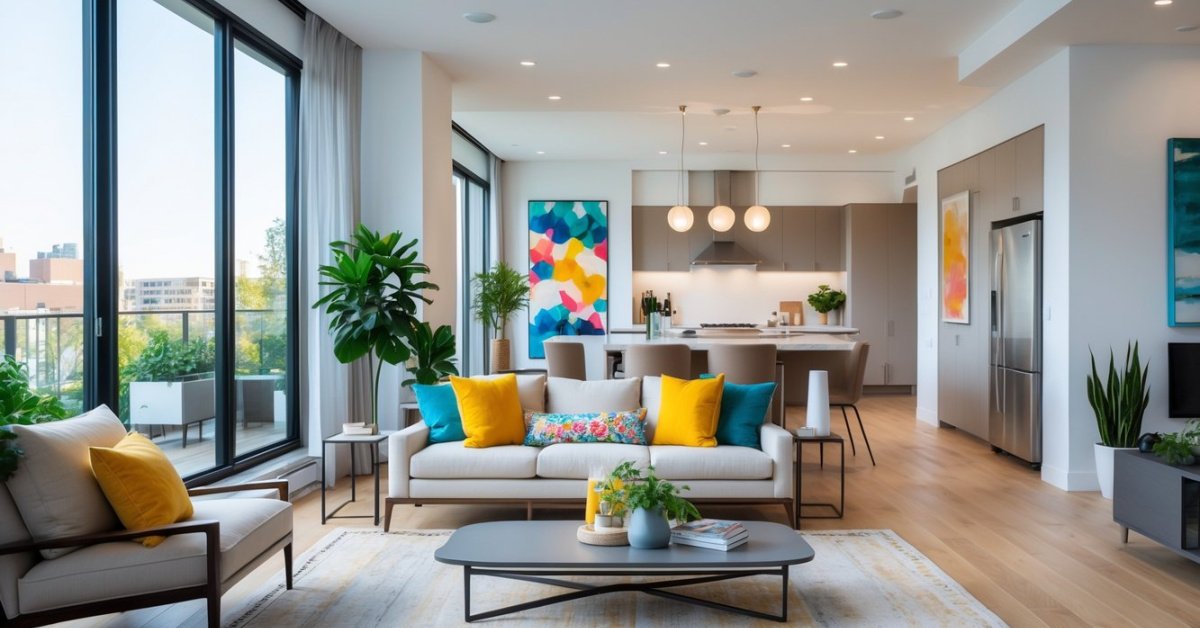
For decor, I focus on smaller, impactful items. Throw pillows in ocean-inspired prints or vases in frosted blue glass add color without taking up extra square footage. Framed art with coastal landscapes or abstract wave patterns ties everything together without crowding the space. Sticking to a few primary shades throughout the room keeps the decor unified.
Balancing Colors With White
White is essential for maintaining that breezy, open coastal feel. I recommend pairing every coastal hue with crisp white elements, such as white trim, ceilings, or furniture. For example, white slipcovers on sofas or beds can balance darker hues like navy or stormy gray while brightening the room.
Layering with white accessories works wonders too. Sheer white curtains let in natural light while softening bolder wall colors. Rugs with white details, like striped jute, ground the space while reinforcing the coastal theme. If the color palette feels heavy, adding more white instantly lightens the look and creates a fresh, serene atmosphere.
Conclusion
Creating a coastal-inspired apartment is all about finding the right balance of colors, textures, and light. By thoughtfully incorporating ocean-inspired hues and natural tones, you can transform your space into a calming retreat that feels both stylish and inviting.
What I love most about coastal decor is its versatility and ability to make even the smallest apartments feel open and airy. With a few well-chosen colors and accents, you can bring the breezy charm of the seaside right into your home.