Key Takeaways
- Bold colors can add personality, energy, and character to apartment spaces when used thoughtfully and strategically.
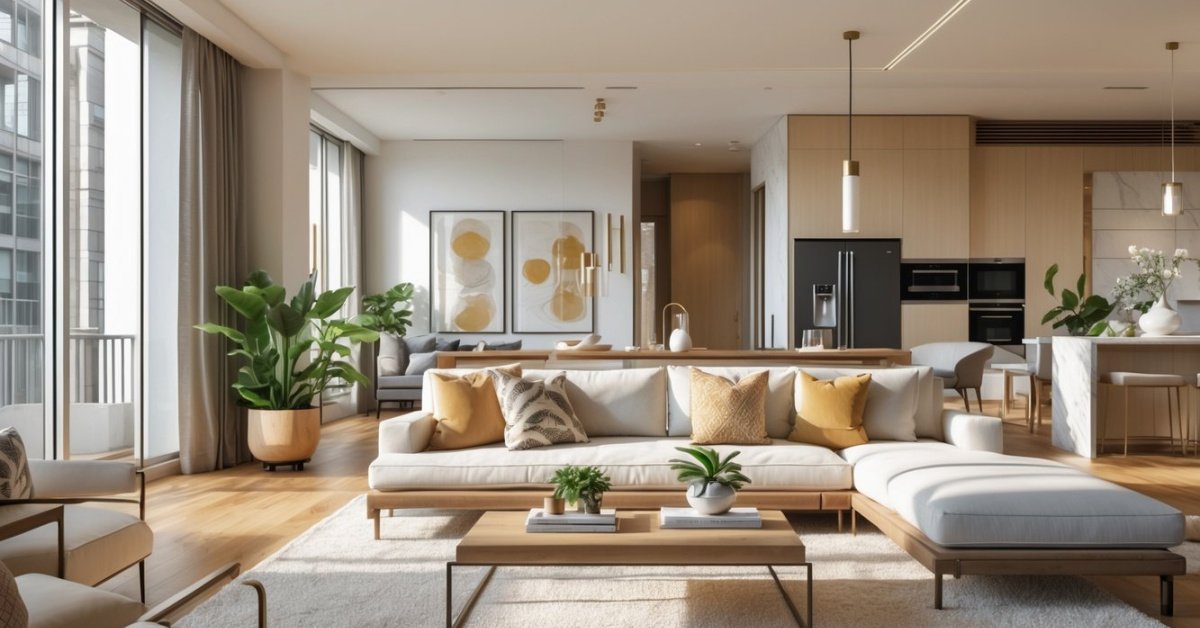
- Use bold hues as accents through throw pillows, rugs, curtains, or art to introduce vibrancy without overwhelming the overall design.
- Pair bold colors with neutrals, such as white or beige, to create balance and avoid visual chaos.
- Incorporate jewel tones (emerald green, sapphire blue) or lighter shades (coral, turquoise) to add depth or brighten compact spaces.
- Leverage materials, textures, and patterns to enhance the impact of bold colors while maintaining a cohesive and polished look.
- Place bold colors intentionally—on focal points like statement furniture, accent walls, or decorative accessories—to maximize visual interest while keeping the space functional.
Decorating an apartment can be tricky, especially when it comes to using bold colors. I know the idea of adding vibrant hues might feel overwhelming, but trust me, it’s easier than it seems. Bold colors can bring personality, energy, and a unique vibe to your space if used thoughtfully.
Understanding Bold Colors In Apartment Design
Bold colors transform apartments by creating focal points and adding character. Incorporating these hues doesn’t mean overwhelming a small space; instead, it’s about striking a balance. I’ve seen apartments go from bland to vibrant just by introducing bold tones strategically.
Primary colors like red, blue, and yellow bring energy when combined with neutrals. For instance, an electric blue accent chair in a neutral living room can make the space pop without feeling chaotic. Jewel tones, like emerald green or amethyst purple, work well in smaller areas to add depth and a luxurious vibe.
Patterned wallpapers or painted accent walls create visual interest. A single teal-colored wall can contrast beautifully with white furniture, defining the room without overpowering it. Another option is to use bold colors in trims, baseboards, or even kitchen backsplashes for subtle but effective impact.
Choosing the right materials enhances the effect of bold colors. Velvet fabrics or glossy finishes amplify richness, while matte surfaces tone down vibrant colors for a softer look. As someone who’s flipped numerous apartments, I always keep color placement practical. Bold colors work best in rooms with good lighting; otherwise, darker hues can make small spaces feel even smaller.
Mixing textures adds dimension alongside bold colors. For example, pairing a bright yellow sofa with natural wood furniture ensures the room feels balanced. Accessories like cushions, rugs, or artwork make it easy to experiment without a full commitment. One client of mine transformed a small studio by adding a bold coral area rug paired with terracotta-toned throw pillows.
Understanding how colors interact with space is key. Dark shades recede visually, making walls seem farther away, while bright colors advance, drawing the eye. This knowledge helps me decide where bold colors make the most impact. Using them on furniture or statement pieces, rather than entire rooms, keeps the space cohesive and exciting.
Choosing The Right Color Palette
Selecting the perfect color palette transforms an apartment into a cohesive, inviting space. Bold colors create energy, but their placement matters, especially with smaller layouts.
Complementary Vs. Contrasting Colors
Pairing complementary colors, like blue and orange or yellow and purple, adds balance to bold designs. This works well for accent walls against neutral furniture or vibrant backsplashes paired with muted cabinetry. Contrasting colors, like black and white, create dramatic effects while allowing bold hues like emerald green or mustard yellow to stand out in decor elements like rugs or curtains. I often recommend choosing one approach—complementary or contrasting—to prevent visual overload.
Considering Apartment Size And Layout
In compact spaces, lighter bold colors, such as coral or turquoise, reflect light and make rooms feel larger. Using darker tones sparingly, like on a single wall or furniture piece, adds depth without overwhelming. For open layouts, I often define zones by assigning specific bold colors to areas—like a rich teal for the living space and a warm rust for the dining area—ensuring flow while maintaining function. Maximize natural light by avoiding heavy, dark color schemes near windows or in low-light spaces.
Designing Each Space With Bold Colors
Using bold colors in apartments transforms each area into a vibrant, unique space. I approach each room with a strategy, ensuring colors feel intentional and enhance functionality.
Living Room Ideas
In the living room, I like using bold colors to create a standout focal point. A jewel-toned accent wall, like emerald green or sapphire blue, pairs beautifully with neutral furnishings. Adding bold-colored throw pillows, rugs, or curtains adds dimension without overwhelming the room. For apartments with open layouts, I recommend using color to define zones—for example, using a rich mustard yellow on one wall to distinguish the seating area.
I also incorporate bold art or statement decor pieces. A large piece of wall art with vibrant hues can bring a cohesive feel to the room. If the living room gets a lot of light, deep shades like navy or maroon work well, as they won’t make the space feel smaller.
Bold Colors In The Bedroom
Bedrooms benefit from calm yet bold tones, creating a cozy yet striking ambiance. I often suggest using deep charcoal, plum, or teal either as an accent wall behind the bed or through bedding and upholstery. For contrast, lighter hues like blush or cream balance the boldness and maintain a restful vibe.
Layering textures amplifies the look. For instance, pairing a deep-toned velvet headboard with bold-patterned throw blankets or pillows completes the design. Always ensure color placement works in tandem with lighting—if the bedroom lacks natural light, I use lighter bold colors like sage or terracotta.
Vibrant Kitchens And Dining Areas
Kitchens can handle bold colors on cabinets, backsplashes, or even bar stools. I’ve found that pairing bright colors, like cobalt blue or sunflower yellow, with metallic finishes creates a clean yet lively aesthetic. Adding a backsplash with bold patterns or vibrant tiles grounds the space without overpowering it.
Dining areas call for punchy accents, such as a bold-colored statement table or chairs. I also use lighting fixtures to tie together bold color schemes. For example, I’ll choose pendant lights with vibrant shades that complement nearby wall or furniture colors. Bold doesn’t mean over-the-top—it’s about creating balance and enhancing character.
Using Accessories And Decorations To Add Bold Hues
Adding bold colors doesn’t mean repainting every wall or buying entirely new furniture. I like to use accessories and decorations to bring vibrant hues into an apartment without cluttering or overwhelming the space.
Throw Pillows, Rugs, And Curtains
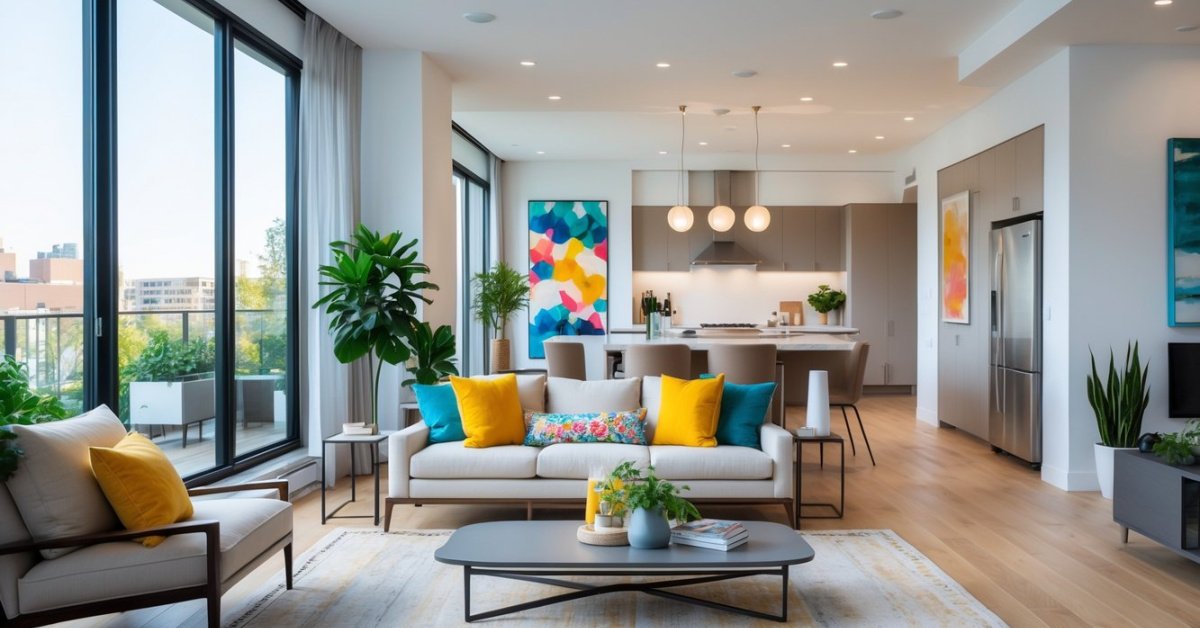
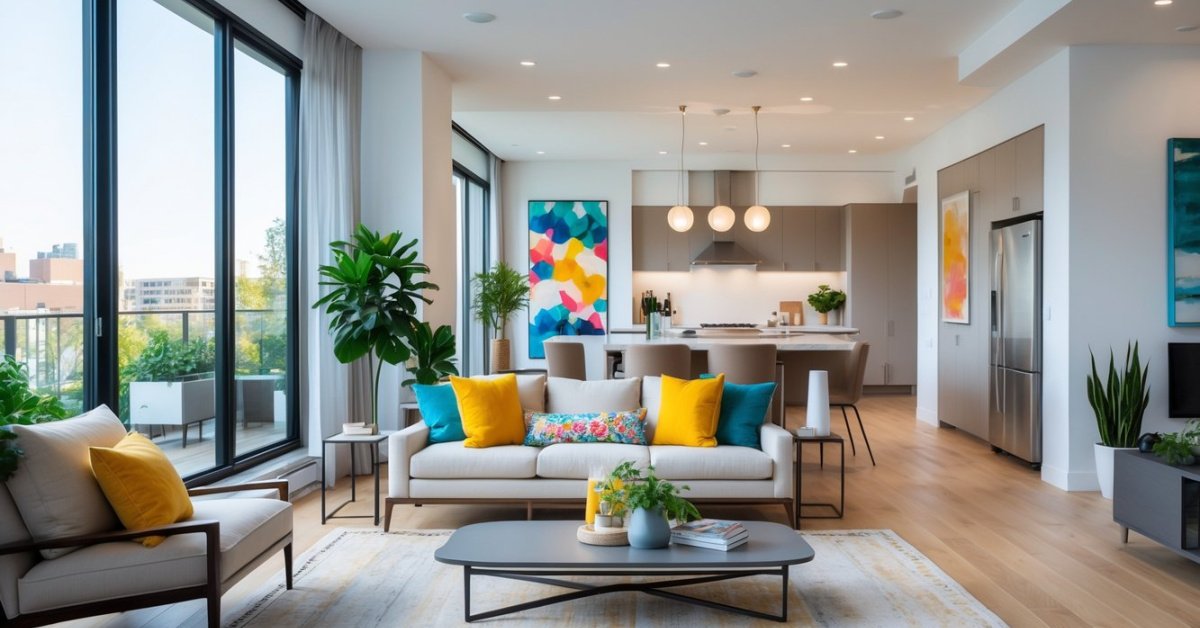
I often suggest starting with throw pillows to introduce bold colors. They’re affordable, easy to swap out, and can anchor the tone in living or bedroom spaces. For example, pillows in bright cobalt or mustard can pop against a neutral sofa or bedding. I also turn to rugs for grounding a room with larger blocks of bold shades. A geometric rug with red or teal elements adds texture and energy without overpowering. Curtains work well too—deep emerald or burnt orange panels frame windows beautifully while adding height and drama.
Wall Art And Statement Pieces
Wall art transforms plain walls into visual focal points. I typically select oversized art with bold patterns or dynamic color compositions. A canvas mixing magenta and gold or a graphic black and white print with accent colors works well in compact spaces. Statement pieces like colorful vases, lamps, or sculptures also bring personality into a room. Mixing these elements with neutral furnishings keeps the look cohesive while letting the colors shine. Building layers of accessories, all tied together by a main hue or complementary palette, always creates a polished finish.
Tips For Balancing Bold Colors In Small Spaces
Working with bold colors in a small apartment means finding balance without sacrificing personality. From my experience flipping properties and designing compact spaces, the right strategies can make even the boldest colors feel harmonious.
- Use Bold Colors As Accents
I like keeping large surfaces, like walls or floors, neutral and introducing bold shades in smaller areas. Vibrant throw pillows, artwork, or a brightly painted bookshelf can transform a space without overwhelming it. For example, a striking teal rug or mustard-yellow curtains add personality without dominating the room.
- Stick To One Bold Statement Per Space
Choose one focal point, like a colorful couch, statement wall, or eye-catching light fixture, to prevent the room from feeling chaotic. In one apartment project, I paired a magenta accent chair with neutral white walls and natural wood tones to keep the design balanced yet lively.
- Combine Bold Colors With Light Reflecting Elements
Light matters even more in small spaces. When I use darker tones like navy or emerald, I pair them with light fixtures, mirrors, or metallic finishes that reflect light. These combinations prevent the room from feeling too enclosed and help highlight the bolder shades.
- Balance Bold With Neutrals
Neutral shades like white, beige, and soft grays anchor bold colors beautifully. I often paint surrounding elements like trims, ceilings, or furniture in neutral tones when working with saturated hues. This approach adds depth while letting the bold color shine as the main feature.
- Integrate Patterns For Depth
Mixing patterns with bold colors adds character without overpowering a small space. In an apartment makeover, I used patterned wallpaper with a bold green tone in a narrow hallway, pairing it with neutral furniture to maintain balance. Small spaces benefit from this layered approach, adding visual interest while keeping the design cohesive.
- Prioritize Functionality In Color Placement
Color placement can influence perception. I often use bold colors on lower cabinets, rugs, or baseboards to ground a space, leaving higher surfaces like ceilings and upper walls in lighter tones. For instance, a kitchen with navy lower cabinets and white walls feels open while still showcasing color.
Strategic design decisions can bring bold colors into your apartment without making it feel cramped. These small changes create spaces that feel stylish, functional, and full of life.
Conclusion
Incorporating bold colors into apartment design doesn’t have to be intimidating. With a little creativity and thoughtful planning, you can transform your space into something vibrant, stylish, and uniquely yours. Whether through accent walls, statement furniture, or carefully chosen accessories, bold hues can add personality and energy without overwhelming your home.
Remember, balance is key. By pairing bold colors with neutrals, experimenting with textures, and considering the size and layout of your apartment, you can create a cohesive and inviting atmosphere. Let your space reflect your personal style while staying functional and comfortable. Bold choices can truly make your apartment feel like home!