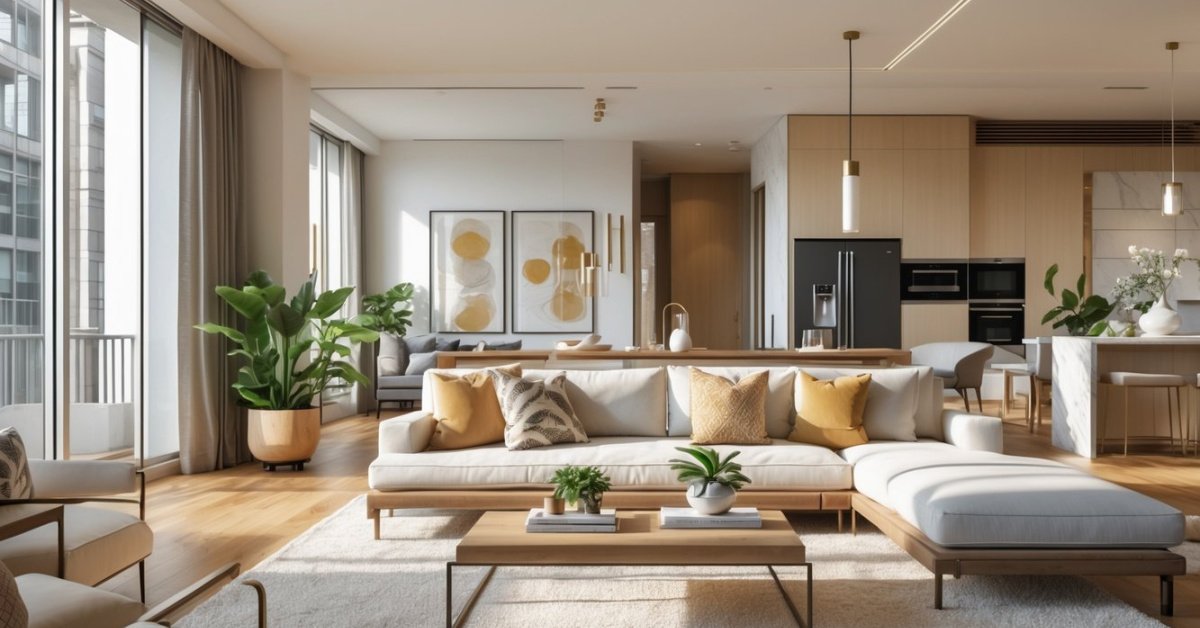
Key Takeaways
- Define Zones Thoughtfully: Use rugs, furniture placement, or lighting to create distinct areas for activities like sleeping, working, and relaxing within a single-room studio.
- Optimize Vertical Space: Incorporate shelves, hooks, or tall storage units to free up floor space and maximize functionality.
- Invest in Multi-Functional Furniture: Choose dual-purpose pieces like storage ottomans, sofa beds, or foldable tables to save space and reduce clutter.
- Prioritize Flow and Accessibility: Maintain clear pathways of 30-36 inches in high-traffic areas to ensure smooth movement and prevent the space from feeling cramped.
- Balance Style with Functionality: Use color, texture, and decor strategically to add personality without overcrowding the room, and keep natural light unobstructed for an open feel.
- Avoid Common Mistakes: Ensure proper zoning, avoid overloading with furniture, and keep windows clear to make the most of a small studio’s layout.
Living in a studio apartment can feel like a puzzle, but with a little creativity, it’s amazing how much you can do with a small space. I’ve always believed that the right furniture arrangement can completely transform even the tiniest of homes, making it both functional and cozy. It’s not about the size of the space—it’s about how you use it.
When every square foot counts, finding smart ways to organize your furniture is key. Whether it’s creating clear zones or picking multipurpose pieces, there are so many tricks to make your studio feel open and inviting. Trust me, it’s all about making the most of what you’ve got while keeping it stylish and comfortable.
Understanding Your Space
Maximizing a studio apartment starts with fully understanding the layout and features of your space. I always analyze the room’s dimensions, light sources, and fixed elements like windows, outlets, and radiators. This helps me decide where specific pieces can go without blocking functionality.
Defining your primary activities is just as important. Whether you plan to work from home, entertain guests, or focus on relaxation, the layout should prioritize your lifestyle. For example, someone working remotely might designate a corner for a desk setup, while an entertainer can center the layout around seating.
I also look for architectural details or storage options already present. Built-in shelves, niches, or vertical space above doors can save room and make storage chic. Understanding these features lets me guide clients on adding decor that complements the space while keeping it functional.
Maximizing Functionality
When I design studio apartments, I prioritize making every square foot work harder. A functional layout can transform even the tiniest apartments into comfortable, adaptable spaces for living, working, and entertaining.
Multi-Functional Furniture
I recommend furniture that serves more than one purpose to maximize space. Pieces like a storage ottoman, a sofa bed, or a drop-leaf dining table can reduce clutter and adapt to different needs. For example, a daybed doubles as a sofa during the day and a sleeping space at night. I’ve found that custom-built furniture, like a platform bed with integrated drawers, can be a game-changer when storage options are limited.
Defining Zones
I always define distinct zones for activities, even in a single-room space. I use rugs, lighting, or furniture placement to create separation. Positioning a bookshelf or folding screen between a sleeping and living area works well. In one project, I used a console table as a divider between the “living zone” and a compact home office, making it easier to maintain visual order. These subtle divisions bring purpose to each part of the studio.
Using Vertical Space
Walls offer valuable opportunities in small apartments. I incorporate vertical shelving for books, decor, or kitchen items to free up floor space. I often suggest using high-mounted cabinets or modular storage units to add functionality without crowding a room. In one studio renovation, I mounted pegboards above the workspace for tools and office supplies, combining utility with style. Floating shelves and hooks keep floors clear and make the room feel taller and more open.
Tips for Creating Flow
Every studio apartment benefits from a well-thought-out layout that feels natural and functional. The way furniture is arranged can directly impact how easy it is to move through the space and how comfortable it feels.
Choosing the Right Layout
A functional layout starts with identifying natural activity zones. I group furniture based on how the space will be used. For example, placing a sofa and coffee table near a window can create a cozy seating area, while a small dining table closer to the kitchen fosters convenience. To maintain balance, I avoid pushing all furniture against the walls, which can make the room feel empty rather than open.
To maximize the flow, I incorporate pieces that serve dual purposes. A foldable table can double as a workstation in one zone while tucking away to free up space in another. Strategic furniture placement encourages movement, transitioning seamlessly between areas for work, rest, and entertaining.
Maintaining Open Pathways
Clear, unobstructed pathways are essential for making any studio apartment easy to navigate. I always leave at least 30-36 inches of space in high-traffic areas, particularly between larger pieces like a couch and a coffee table. For tight corners, rounded furniture edges or low-profile chairs prevent bottlenecks and enhance accessibility.
To guide movement, I use rugs or lighting. A narrow runner can visually extend a walkway, while pendant lights or floor lamps placed at room edges naturally direct the path. Keeping pathways open also prevents clutter from obstructing the design, ensuring the flow remains cohesive.
Balancing Visual Weight
Even small spaces need a sense of proportion to feel inviting. To achieve balance, I mix light and heavy furniture across the room. For instance, pairing a low-backed sofa with a tall bookshelf creates equilibrium without overwhelming the space. I favor a consistent color palette to tie different elements together, which lightens visual strain.
For vertical balance, I hang shelves or art at eye level, around 57 inches from the floor, to draw attention upward. Placing lighter elements, like mirrors or sheer curtains, above eye level can also help balance bulkier furniture below, keeping the overall design airy and organized.
Adding Style and Personality
In a studio apartment, style shouldn’t take a backseat to function. Even in smaller spaces, simple design choices can showcase personality while maintaining practicality. I’ve learned that thoughtful details can make a big difference, transforming even basic apartments into charming, personalized homes.
Incorporating Decorative Elements
Accessories and decor do more than add beauty—they create character. I often use mirrors to make small rooms feel larger and reflect natural light. Hanging art or framed photos helps establish a unique vibe. I recommend choosing pieces that connect with your personality rather than following trends. For example, bold abstract prints add modernity, while vintage artwork offers warmth.
Plants also bring life to a space. A compact indoor tree in a corner or a few hanging plants can soften harsh lines and make a studio feel more welcoming. If the studio has limited surface space, mount decor on walls or hang small shelves to hold meaningful accessories. These updates don’t just add personality—they also enhance functionality.
Using Color and Texture
Intentional use of color makes a studio apartment feel cohesive and interesting without overwhelming the space. I suggest sticking to a neutral base, like white or beige walls, then layering smaller accents in bold or complementary shades. Throw pillows, blankets, and rugs offer easy ways to explore color. For example, deep blue or mustard tones can pop against a neutral sofa.
Textures create dimension in rooms that lack architectural features. Mixing materials, like a woven chair or velvet ottoman, prevents the design from feeling flat. If the studio features a basic wooden floor, incorporating plush rugs adds comfort and warmth. Small tweaks in texture and color make the studio visually appealing without overcrowding the space.
Common Mistakes to Avoid
Arranging furniture in a studio apartment has unique challenges, and avoiding common pitfalls can make all the difference.
- Overloading the Space
Filling the room with too much furniture creates clutter and restricts movement. In studios, every piece should serve a purpose. Skip oversized sectionals or bulky dining sets in favor of sleek furniture like armless chairs or foldable tables.
- Ignoring Vertical Space
Leaving walls bare wastes potential storage and display space. Use floating shelves, wall hooks, or tall bookcases to maximize height and minimize floor usage.
- Poorly Defined Zones
When everything blends together, the space feels chaotic. Use area rugs, furniture placement, or lighting to define zones like a sleeping or work area. For example, place a rug under the bed to signify the sleeping zone.
- Blocking Natural Light
Placing tall furniture near windows or crowding light sources makes the studio feel smaller and darker. Keep window areas clear and use sheer curtains to allow maximum light flow.
- Choosing Non-Multipurpose Furniture
In compact spaces, single-use furniture wastes space. Always prioritize items like storage ottomans or sofa beds that serve dual purposes.
- Leaving Traffic Flow Unplanned
Cluttered pathways cause frustration and disrupt the layout. Arrange furniture with clear paths in mind; leave at least 2-3 feet of clearance in high-traffic areas to ensure seamless movement around the studio.
Conclusion
Arranging furniture in a studio apartment might seem tricky at first, but with a little creativity and thoughtful planning, it can become an enjoyable process. It’s all about making the most of your space while reflecting your personal style and needs.
Every choice, from furniture placement to decor, plays a role in creating a home that feels both functional and inviting. By focusing on flexibility, flow, and smart design, a small studio can truly feel like a cozy retreat.