Key Takeaways
- Indoor plants enhance apartment living by improving air quality, adding aesthetic value, and creating a calming ambiance without requiring outdoor space.
- Low-maintenance plants like Snake Plants, Pothos, and ZZ Plants are ideal for busy renters, thriving with minimal care and adapting to various light conditions.
- Maximize small spaces with vertical arrangements, hanging planters, and compact plants, while taller species like Fiddle-Leaf Figs or Areca Palms add depth and dimension.
- Low-light plants such as Philodendron and Lucky Bamboo thrive in dim apartments, making them perfect for areas lacking direct sunlight.
- Air-purifying plants like Peace Lily, Aloe Vera, and Boston Fern not only beautify your home but also enhance indoor air quality by filtering toxins.
- Proper plant care includes consistent watering, matching plants to your apartment’s lighting, using pots with drainage holes, and periodically repotting for healthy growth.
Living in an apartment doesn’t mean you can’t enjoy the beauty of nature right in your home. I’ve found that adding a touch of greenery not only brightens up the space but also brings a sense of calm to even the busiest days. The best part? You don’t need a sprawling backyard or endless sunlight to make it work.
Why Indoor Plants Are Perfect For Apartment Living
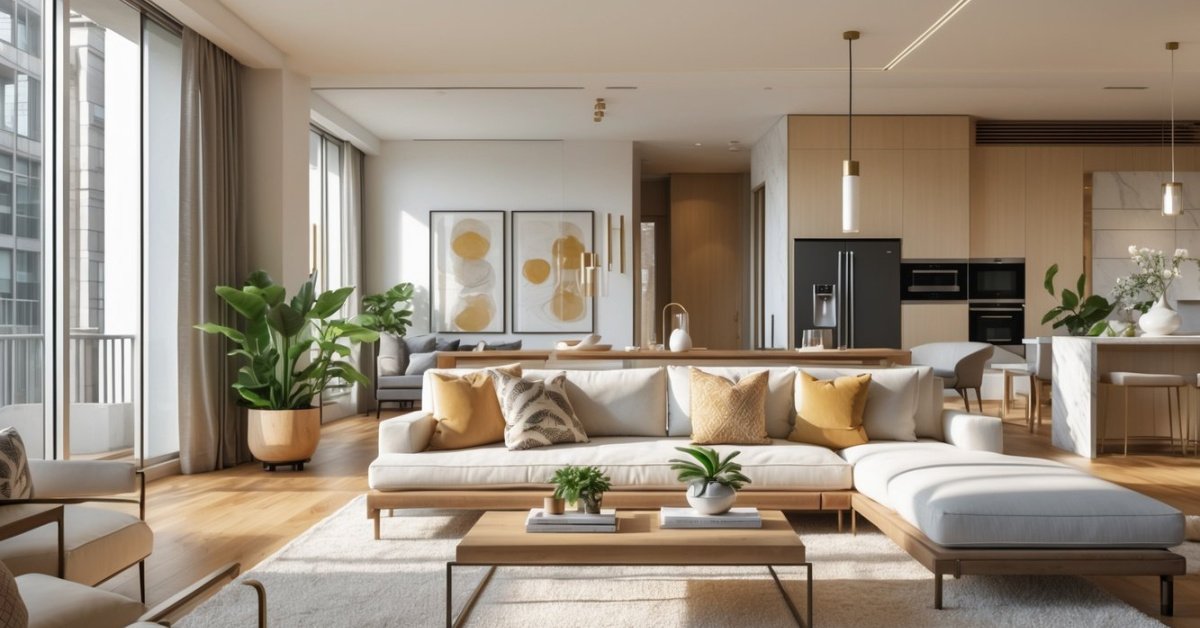
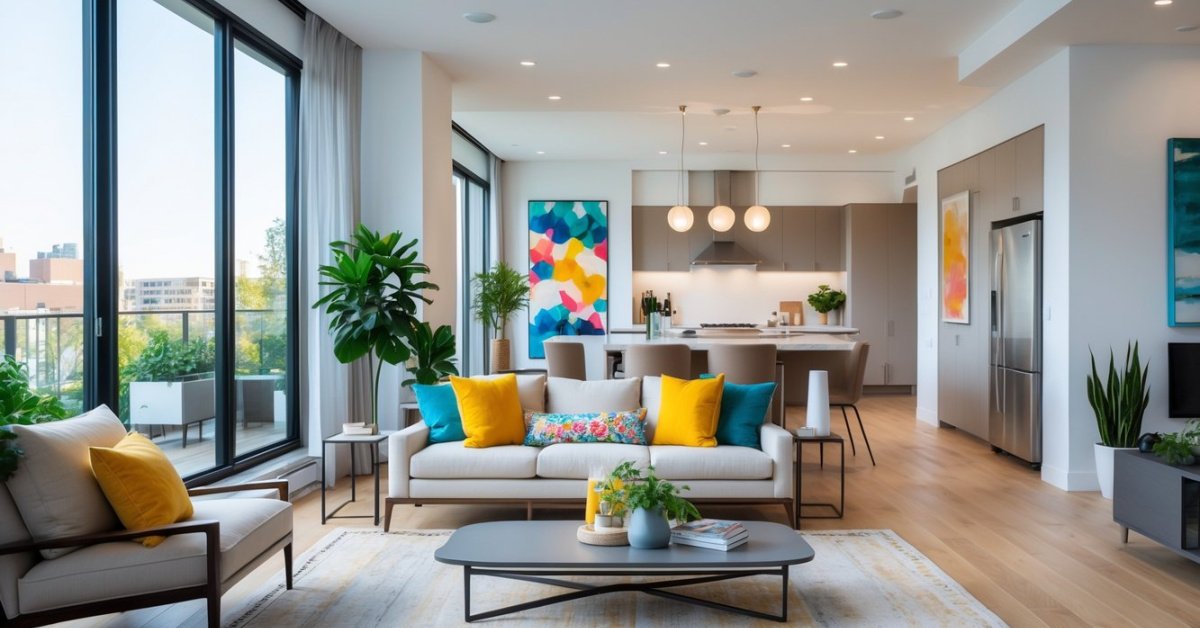
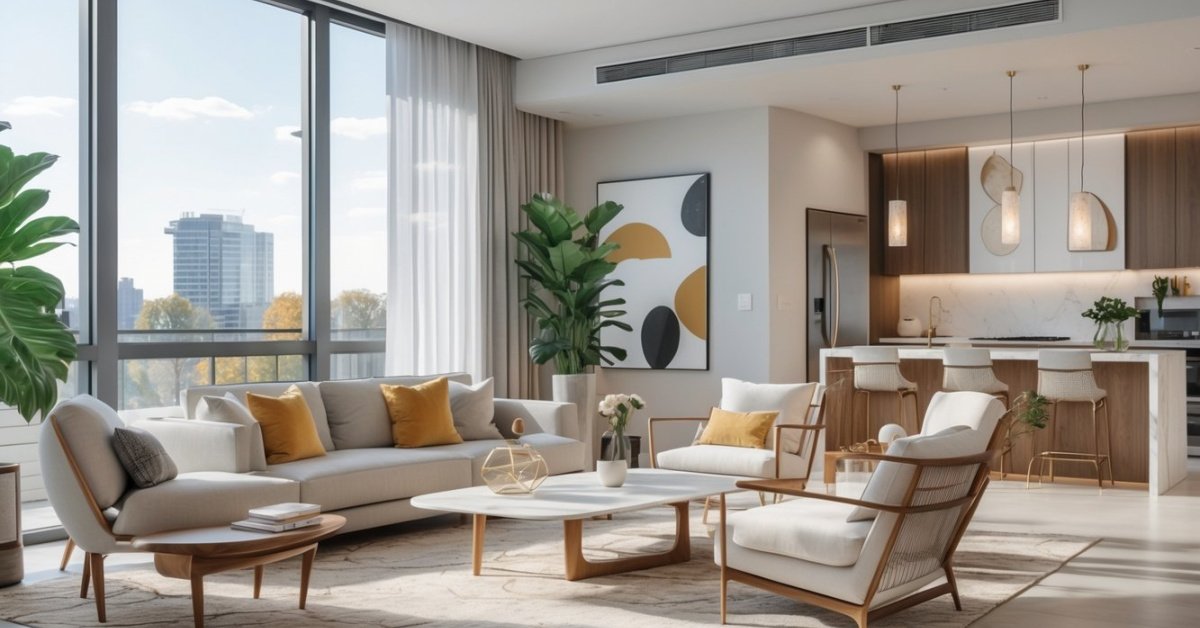
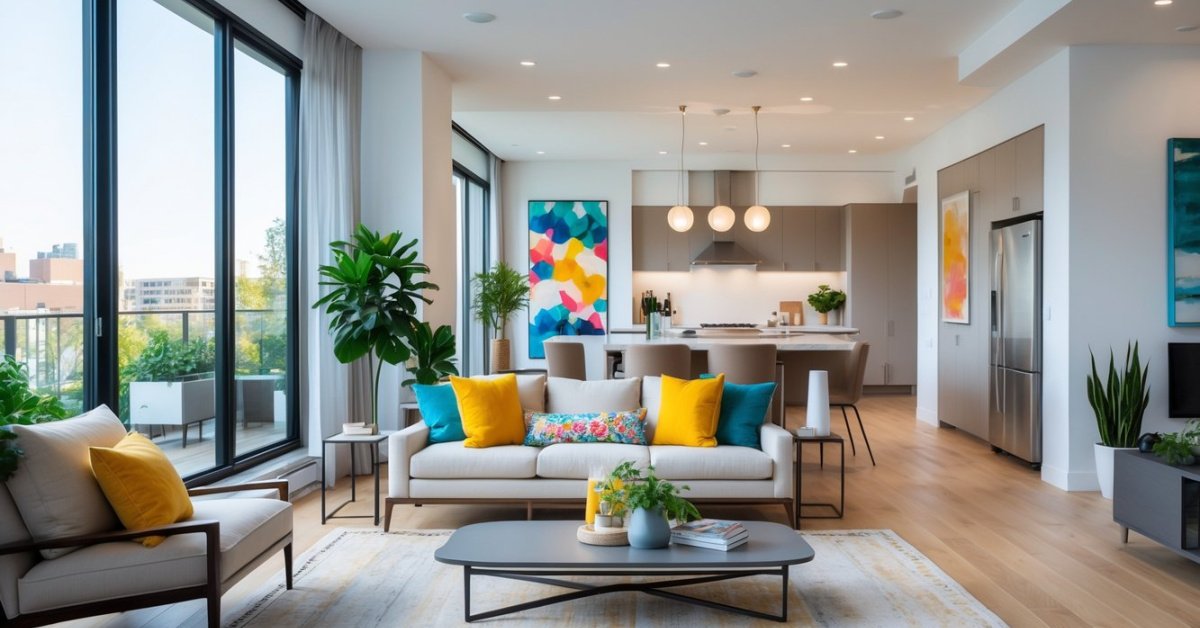
Indoor plants bring life to any apartment, transforming even the smallest spaces into vibrant, inviting areas. They’re an easy way to enhance design while adding natural textures and colors.
Benefits Of Indoor Plants In Small Spaces
Maximizing vertical space. Compact apartments benefit from vertical plant arrangements like hanging planters or wall-mounted pots, creating greenery without taking up floor space.
Improving air quality. Plants such as spider plants and peace lilies naturally filter toxins, making small interiors feel fresher and healthier.
Adding depth and dimension. Strategically placing plants of varying heights, like tall fiddle-leaf figs and compact succulents, gives rooms a layered, designed look.
Enhancing acoustics. Dense-leaved plants like rubber trees absorb sound, reducing echoes in small, open-plan apartments.
How To Choose The Right Plant For Your Apartment
Assess natural light. Low-light plants like snake plants work well in shaded spaces, while succulents thrive near sunny windows.
Prioritize low-maintenance options. Hardy plants such as pothos or ZZ plants require minimal care, making them ideal for busy renters.
Consider size and growth. Tall plants fit uncluttered corners, while petite options like cacti suit shelves and countertops.
Match aesthetics. Sleek orchids complement modern interiors, while lush, leafy options like monstera enhance boho designs.
Top 5 Low-Maintenance Indoor Plants
I’ve learned that making the most of any apartment often involves adding plants that don’t just look great but also thrive with minimal effort. These low-maintenance options work perfectly in small spaces and busy lifestyles while enhancing your home’s design.
Snake Plant
Snake plants, or Sansevieria, are incredibly hardy and adaptable. I often recommend these to clients because they tolerate low light and infrequent watering. Their upright, architectural leaves add height and structure to corners or tabletops. Plus, they’re known for purifying the air by removing toxins like formaldehyde and benzene.
Pothos
Pothos vines are the ultimate “set it and forget it” plant. They grow quickly in low light, and their trailing vines can be styled to cascade from shelves or hanging planters. This makes them ideal for small apartments looking to maximize vertical space. You can even propagate them easily by placing cuttings in water.
ZZ Plant
I love introducing ZZ plants to clients who say they don’t have a green thumb. These glossy-leafed beauties thrive in a variety of lighting conditions and only need watering every 2-3 weeks. Their waxy leaves reflect light, adding a touch of brightness to darker spaces like hallways or windowless rooms.
Spider Plant
Spider plants practically take care of themselves and adapt well to different environments. They’re great for hanging baskets, where their arching leaves can create a visually appealing focal point. I also like using them in family-friendly spaces because they’re non-toxic to pets and kids.
Peace Lily
When a sleek, polished look is the goal, peace lilies stand out. Their elegant white blooms and dark green leaves fit seamlessly with most design aesthetics. They’re low-light lovers and need watering about once a week. As a bonus, their air-purifying qualities contribute to a healthier indoor environment.
Best Indoor Plants For Low-Light Apartments
Maximizing greenery in apartments with limited natural light isn’t just achievable; it’s transformative. As someone who works with small spaces every day, I know how important the right plants can be for creating balance and warmth, even when sunlight’s scarce.
Philodendron
Philodendrons thrive in low-light spaces, making them perfect for apartments with minimal sun exposure. With their lush, trailing vines, they add visual interest without overtaking a room. I often suggest the Heartleaf Philodendron for clients because it’s compact and forgiving—missing a watering here and there won’t harm it. Place it on a shelf or let it cascade from a hanging planter to draw the eye upward and create a sense of height in a room.
Cast Iron Plant
The Cast Iron Plant lives up to its name, flourishing even in dimly lit corners where other plants might struggle. Its sturdy green leaves have a modern look that works well in minimalist or industrial designs. I frequently use it in apartment makeovers because it requires almost no maintenance—perfect for renters with busy lives. Its upright form also saves floor space while adding a clean, structured element to any room.
Lucky Bamboo
Lucky Bamboo fits seamlessly into a variety of interiors, from contemporary to boho. Its tall, slender stalks work well on desks or countertops, especially in compact apartments where floor space is at a premium. I love incorporating it in narrow spots like bathroom counters or windowless kitchens to bring life into overlooked areas. Although it’s technically not a bamboo, it grows easily in water or soil, giving renters flexible options for display.
Air-Purifying Indoor Plants For Apartments
Incorporating air-purifying plants into apartments not only enhances the aesthetics but also improves indoor air quality by filtering harmful toxins. These additions create a healthier, more inviting space, even in the most compact settings.
Aloe Vera
I always recommend Aloe Vera for its dual purpose—clean air and natural remedies. Its gel is well-known for soothing burns, while the plant actively cleans indoor air by removing pollutants like formaldehyde and benzene. Aloe thrives in bright, indirect sunlight, making it perfect for sunny corners or kitchen windowsills. It’s also highly drought-tolerant, so watering it sparingly works best for renters with busy schedules.
Boston Fern
Boston Fern is my go-to choice for clients aiming to add texture and softness to their design. This plant excels in filtering irritants like xylene and is particularly suited for areas needing higher humidity, such as a bathroom with natural light. With its elegant, arching fronds, Boston Fern makes a dramatic statement in hanging planters or on shelves. Just keep its soil moist, and mist it occasionally to maintain its lush appearance.
Areca Palm
When designing open-layout apartments, I love using Areca Palm as a natural divider. Its tall, feathery fronds deliver a tropical feel while removing carbon dioxide and increasing interior oxygen levels. It thrives in well-lit spaces but adapts to indirect light, making it a versatile choice for living rooms or bedrooms. It’s a bit thirstier than some plants, so watering slightly more frequently works well to maintain its vibrant green look.
Tips For Caring For Indoor Plants In Apartments
As someone who’s spent years designing and flipping small spaces, I know plants can instantly elevate an apartment’s vibe. Keeping them healthy doesn’t require a green thumb, just a few smart strategies tailored to apartment living.
Watering Schedule
Consistent watering is key for plant health, especially in smaller spaces. Overwatering is the biggest mistake I see people make with indoor plants. Use pots with drainage holes to prevent waterlogging. For example, I water my Snake Plant once every 2-3 weeks and my Pothos when the top inch of soil feels dry. Invest in a moisture meter if you’re unsure when to water.
Group plants with similar watering needs together. For instance, place ZZ Plants and Cast Iron Plants in one corner and moisture-loving Boston Ferns and Peace Lilies in another. This simplifies the routine and keeps the plants thriving in their preferred conditions.
Proper Lighting
Matching plant light needs with apartment lighting is everything. Identify whether your apartment gets bright, indirect light, low light, or a mix. South-facing windows provide the most light, perfect for Aloe Vera and Areca Palm. In dimmer rooms, stick to low-light plants like Philodendron and Lucky Bamboo.
Use sheer curtains to filter harsh sunlight, preventing leaf burn on plants like Peace Lilies. If natural light is limited, grow lights are a game-changer. I’ve added them in staging apartments, and they create a seamless way to keep plants alive even in window-free rooms.
Soil And Potting Tips
Healthy plants need the right soil and pots. Use soil specific to your plant type, like cactus mix for Aloe Vera or a peat-based blend for a Spider Plant. Repot every 1-2 years or when roots outgrow the pot. I choose lightweight, stylish pots for apartments to avoid overwhelming small spaces.
Opt for pots with drainage holes to prevent root rot—a common issue in compact living environments. Add a layer of pebbles or a saucer under pots to protect floors and furniture. When designing apartments, I often pair neutral-colored pots with vibrant greenery to add balance and texture to a room.
Conclusion
Bringing plants into your apartment is one of the easiest ways to create a more inviting and peaceful space. Whether you’re working with bright windows or dim corners, there’s a plant that can thrive in your home and fit perfectly into your lifestyle. Plus, the added benefits of cleaner air and a touch of nature make it all the more rewarding.
With so many versatile and low-maintenance options available, you don’t need a green thumb to enjoy the beauty and benefits of indoor plants. Just a little care and attention can go a long way in keeping your greenery happy and thriving. So why not add a little life to your apartment and let these plants work their magic? You’ll be amazed at how much they can transform your space!