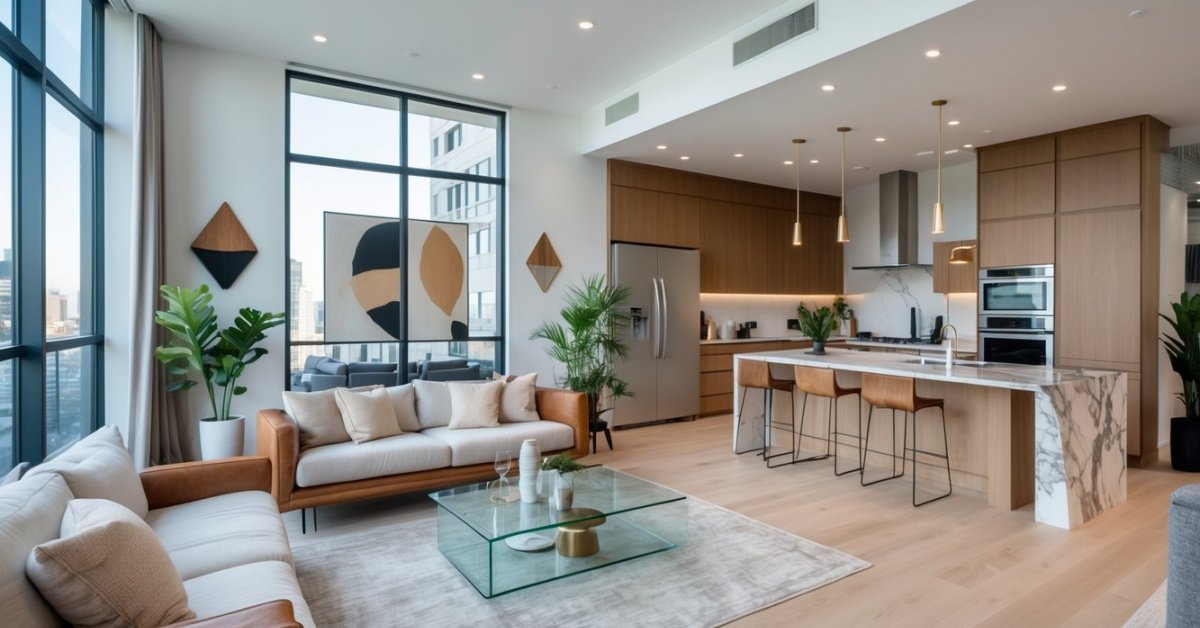
Key Takeaways
- Choose flooring based on durability, noise control, and maintenance needs to maximize comfort and functionality in apartment living.
- Laminate and luxury vinyl plank (LVP) offer affordable, scratch-resistant, and easy-to-install options, making them popular for high-traffic and rental units.
- Carpet provides superior noise and warmth, especially for upstairs units, but requires more upkeep and may not suit allergy sufferers.
- For kitchens and bathrooms, opt for water-resistant materials like LVP or tile to prevent moisture damage and simplify cleaning.
- Always confirm building regulations before installation, and consider floating or click-lock systems for easier removal and minimal subfloor damage.
- Use light colors and consistent flooring throughout to make small apartments feel larger and create a cohesive design flow.
When I moved into my first apartment I had no idea how much of a difference the right flooring could make. It’s not just about looks—it’s about comfort noise control and easy cleaning too. With so many options out there I found myself wondering which floors would really work best for apartment living.
I’ve learned that the perfect flooring can turn a small space into a cozy retreat and even help keep the peace with neighbors. Whether you’re renting or settling in for the long haul choosing the right material matters more than you might think. Let’s explore what makes some flooring types stand out for apartment life.
Key Factors to Consider in Apartment Flooring
Flooring choices shape every experience in an apartment, from comfort underfoot to quiet evenings at home. I always look for materials that match the unique demands of apartment living.
Durability and Maintenance
Apartment flooring options perform best when they withstand high foot traffic and resist scratches. I prefer materials like luxury vinyl plank and laminate for rentals or busy households, since both hold up against daily wear and rarely need refinishing. Easy-to-clean finishes, such as sealed hardwood or tile, let me keep spaces looking bright with less effort. Water resistance remains key for kitchens and bathrooms, so I opt for porcelain tile or waterproof vinyl in those rooms.
Noise Reduction
Sound control helps maintain good relationships with neighbors in multi-unit buildings. I recommend flooring with built-in underlayment, such as cork-backed laminate, to dampen footsteps. Area rugs on hard surfaces like engineered wood or tile reduce noise further. Carpeting offers the most noise absorption, though it’s tougher to keep spotless. For upstairs units, thicker materials and sound-insulating pads deliver quieter living.
Aesthetics and Style
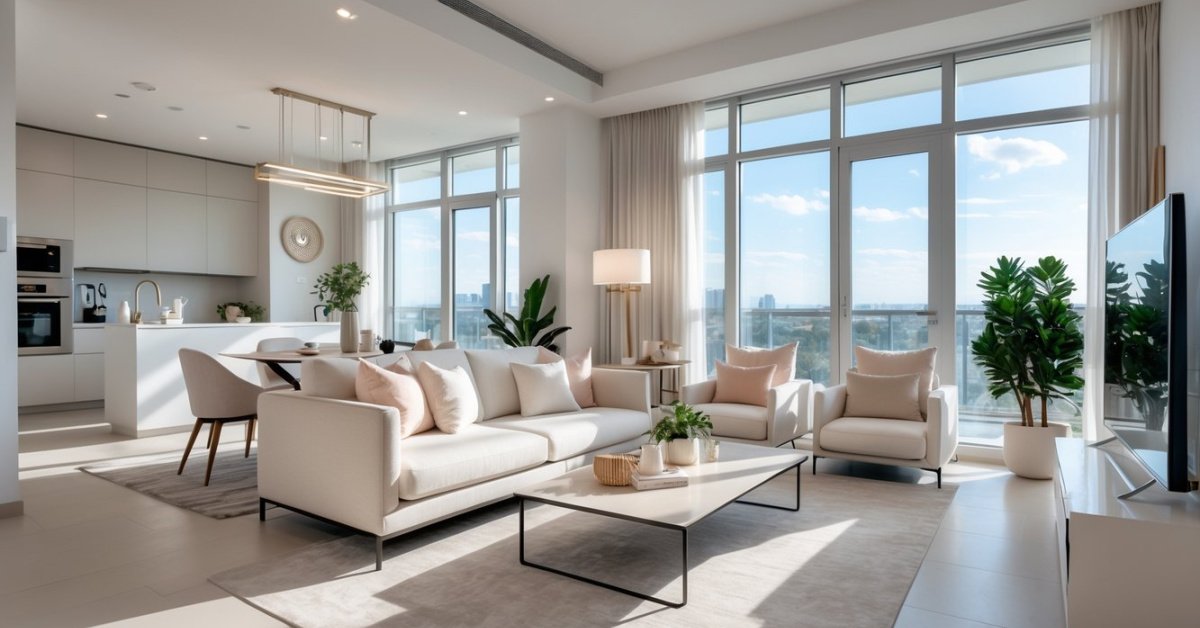
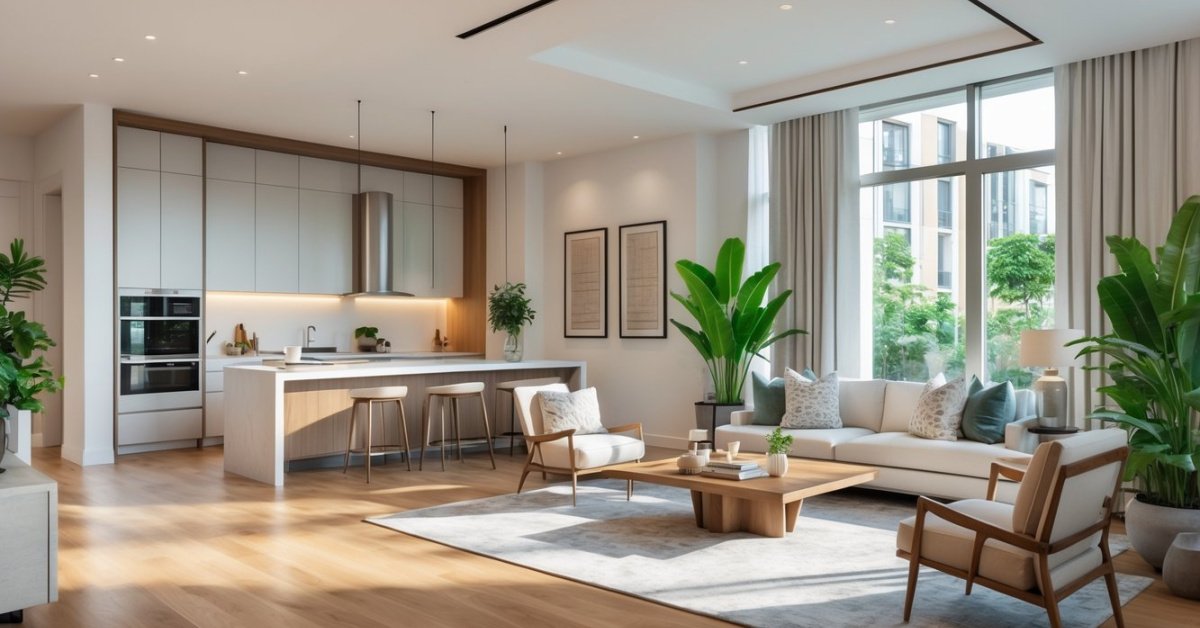
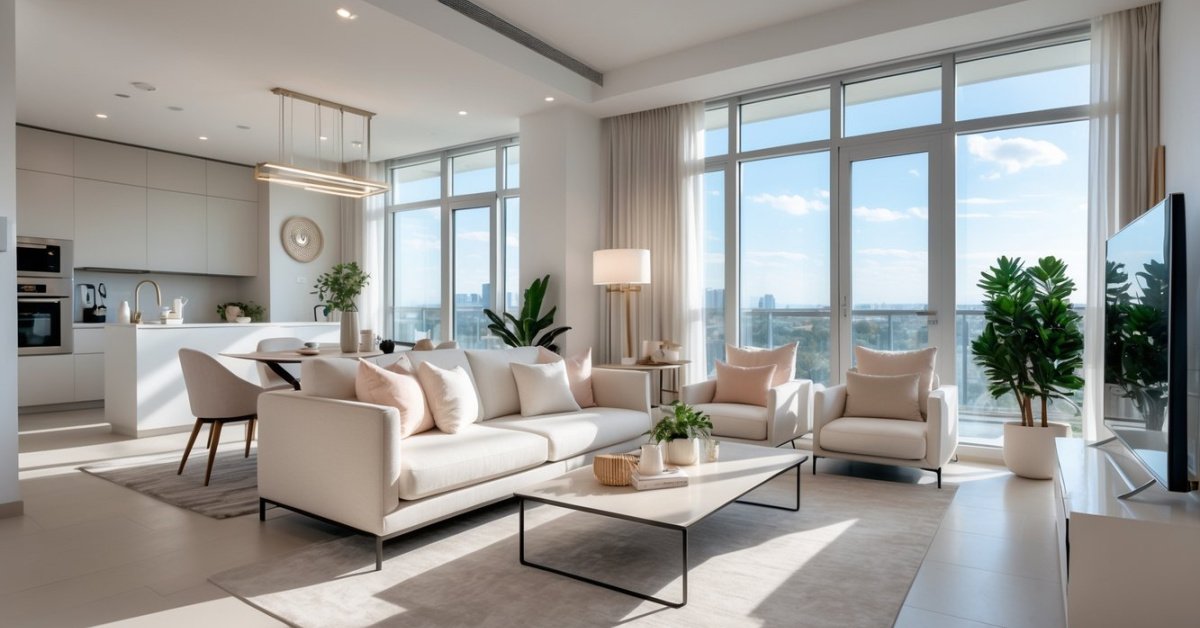
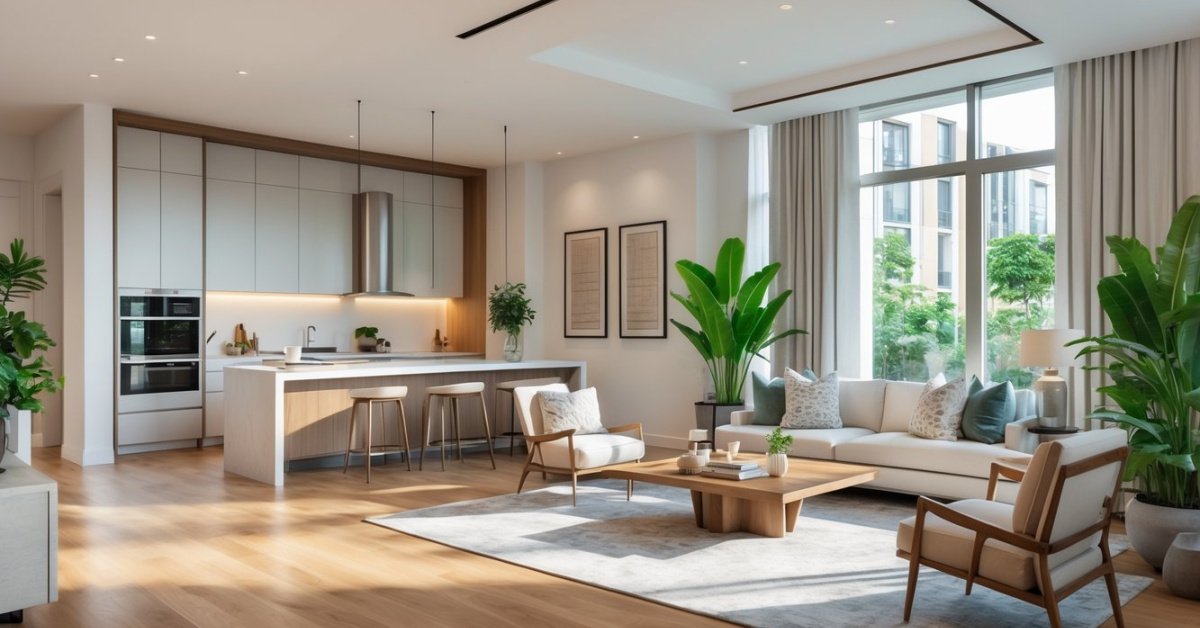
Apartment flooring types affect visual impact and make rooms feel larger or cozier. Wide-plank luxury vinyl or light-toned hardwood brightens a small living room and gives a seamless look. I integrate neutral colors and minimal texture for versatility, which makes future redecorating simple. Patterns in tile or bold-colored carpeting create a focal point in entryways or bedrooms.
Cost and Installation
Budget-friendly options maximize return on investment during apartment flips or renovations. I often select peel-and-stick vinyl or floating laminate, since both install without adhesives or nails and save labor costs. Material prices vary—engineered hardwood and high-end tile run higher, while sheet vinyl and carpet tiles stay more affordable. I always factor in both materials and installation when planning upgrades for clients with tighter budgets.
Top Flooring Types for Apartment Living
When I’m fixing up an apartment, I look for floors that balance durability, style, and function. Certain flooring options consistently help me transform compact spaces and keep maintenance easy.
Laminate Flooring
Laminate flooring offers apartment dwellers scratch resistance, affordable pricing, and quick installation. In my flips, I use click-lock laminate planks to create a wood look without high costs. Modern lines feature water-resistant cores and built-in underlayment, making them suitable for kitchens and living areas. Maintenance is simple—regular sweeping and damp mopping keep laminate in top shape.
Luxury Vinyl Plank (LVP)
Luxury Vinyl Plank (LVP) gives apartments the visual warmth of hardwood while staying waterproof and impact-resistant. I recommend LVP for households with pets or kids because it withstands wear and muffles footsteps. Installers float LVP over existing floors, which reduces installation time and mess. Choose neutral tones or herringbone patterns for a designer finish in any small space.
Carpet
Carpet provides unmatched comfort and excellent noise reduction for upstairs apartments. In bedrooms and dens, I pick low-pile carpets with stain-resistant fibers, which simplify cleaning and prolong their appearance. Carpet tiles also allow quick swaps if damage occurs. Always install a quality pad underneath to add insulation and sound absorption.
Engineered Hardwood
Engineered hardwood bridges the gap between luxury and practicality in apartments. I use it in living spaces where style matters but humidity and subfloor limitations rule out solid wood. Multiple wood species and finishes give a high-end appearance. Prefinished boards make installation faster and leave less lingering odor, which is ideal when turning rentals quickly.
Tile Flooring
Tile flooring, especially porcelain or ceramic, works well for apartment bathrooms and kitchens. Tiles resist water, stains, and scratches, and in high-traffic areas, they stay cool and clean. Choose larger formats for a modern look or smaller mosaics for interest. I add sound-dampening mats underneath tiles in multi-unit buildings to keep footsteps quieter for neighbors below.
Pros and Cons of Popular Apartment Flooring Options
I’ve seen how different flooring choices can transform apartment living on projects from basic flips to high-end remodels. Here’s a breakdown of the main pros and cons for the top flooring types I regularly install or recommend.
Laminate Flooring
- Pros
- Durable against scratches and wear, especially in high-traffic zones like living rooms and entryways.
- Affordable compared to hardwood, with a wide range of wood-look finishes.
- Simple floating installation lets DIY remodelers change a space fast.
- Cons
- Weak against standing water, so not ideal in moisture-prone kitchens or baths.
- Feels hard underfoot, making it less comfortable than carpet in bedrooms.
Luxury Vinyl Plank (LVP)
- Pros
- Waterproof and highly resilient—great for pet owners or households with kids.
- Mimics wood or stone for less, fitting most décor styles.
- Easy to maintain with a sweep and mop.
- Cons
- Prone to dents from heavy furniture if not installed on a perfectly flat subfloor.
- Can look less premium than hardwood under certain lighting.
Carpet
- Pros
- Superior noise absorption, making it popular for upstairs units and bedrooms.
- Feels soft and inviting, which renters or guests notice instantly.
- Warmth in colder climates thanks to insulating fibers.
- Cons
- Stains easily, requiring regular deep cleaning, especially in homes with kids or pets.
- Traps dust and allergens, so not a fit for allergy sufferers.
- Wears down quickly in high-traffic hallways.
Engineered Hardwood
- Pros
- Upscale look elevates any apartment living space instantly.
- More stable than solid hardwood in varying humidity, which is practical for apartments.
- Several finish options from matte oak to glossy walnut.
- Cons
- Priced higher than LVP or laminate for both product and installation.
- Sensitive to moisture, requiring care in kitchens or at entryways.
- Can show wear and scratches, especially with heavy furniture moving during flips.
Tile (Porcelain or Ceramic)
- Pros
- Water-resistant and tough—essential for kitchens and bathrooms.
- Variety in patterns and colors for custom design, such as herringbone or geometric tiles.
- Easy to sanitize, which appeals to pet owners and families.
- Cons
- Feels cold and hard, reducing comfort in spaces like living rooms.
- Professional installation often adds labor costs, especially for patterned layouts.
- Grout lines show dirt if not sealed or cleaned consistently.
| Flooring Type | Main Pros | Main Cons |
|---|---|---|
| Laminate | Scratch-resistant, affordable, easy DIY | Not waterproof, hard underfoot |
| Luxury Vinyl Plank | Waterproof, easy care, realistic look | Dents possible, sometimes less premium in finish |
| Carpet | Quiet, soft, warm | Stains, traps allergens, wears in high-traffic |
| Engineered Hardwood | Upscale style, stable, many finishes | Expensive, moisture-sensitive, can scratch |
| Tile | Water-resistant, many designs, easy clean | Cold, costly install, dirty grout lines |
I always factor in each apartment’s specific needs—whether it’s noise, traffic level, or style—before choosing which floors to install. These pros and cons help clients prioritize their must-haves and get the most out of their apartment investment.
Tips for Choosing the Right Flooring for Your Apartment
- Prioritize Durability and Maintenance
I always look for flooring materials that hold up to everyday apartment life. Laminate, LVP, and tile stand out for resisting scratches and stains, which minimizes time spent on repairs and upkeep.
- Focus on Sound Absorption
I recommend softer flooring types or added underlayment to reduce noise between units. Thicker carpets, cork planks, or LVP with built-in padding help quiet footsteps and keep peace with neighbors.
- Check Building Regulations First
I verify all choices with the building’s flooring policies since most apartments have limitations on what’s allowed. Many buildings prohibit hardwood or call for a certain percentage of carpets to meet noise standards.
- Match Flooring to Area Use
I select tile or LVP for kitchens and bathrooms due to water resistance, and choose carpet, engineered hardwood, or laminate for bedrooms and living rooms to boost comfort and visual warmth.
- Maximize Visual Space
I use lighter shades, seamless planks, or larger tiles to make small apartments feel open. Consistent flooring color throughout creates visual flow from room to room.
- Stay on Budget
I factor in the cost of materials, installation, and future maintenance. Peel-and-stick vinyl and floating laminate keep overall spending down while still creating a high-end look.
- Choose Installation Methods Wisely
I favor floating or click-lock systems for apartments, since they’re easier to install and remove when you move out. These options also minimize subfloor damage, important if the apartment isn’t owned outright.
- Consider Allergies and Health
I advise hypoallergenic flooring like vinyl, tile, or sealed hardwood for families with allergies, as these options resist dust and pet dander.
| Flooring Feature | Best Option(s) | Why It Matters |
|---|---|---|
| Scratch Resistance | Laminate, LVP, Tile | Survives pets, furniture moves |
| Noise Control | Carpet, Cork, Thick LVP | Keeps the apartment quieter |
| Moisture Resistance | LVP, Tile | Prevents warping in kitchens and bathrooms |
| Ease of Installation | Floating Laminate, Peel-and-Stick | Saves labor time and possible deposit costs |
| Allergens | Vinyl, Tile, Sealed Hardwood | Reduces allergens in the living space |
I always balance practical needs with design vision to maximize value and comfort in smaller apartment settings.
Conclusion
Choosing the right flooring for apartment living really comes down to finding that sweet spot between style, comfort, and practicality. I’ve learned that a little planning goes a long way—especially when you’re thinking about noise, maintenance, and how each room gets used.
No matter your budget or design preferences, there’s a flooring solution out there that’ll make your apartment feel more like home. Take your time, weigh your options, and don’t be afraid to ask questions before making your final choice. Your perfect floor is out there waiting.