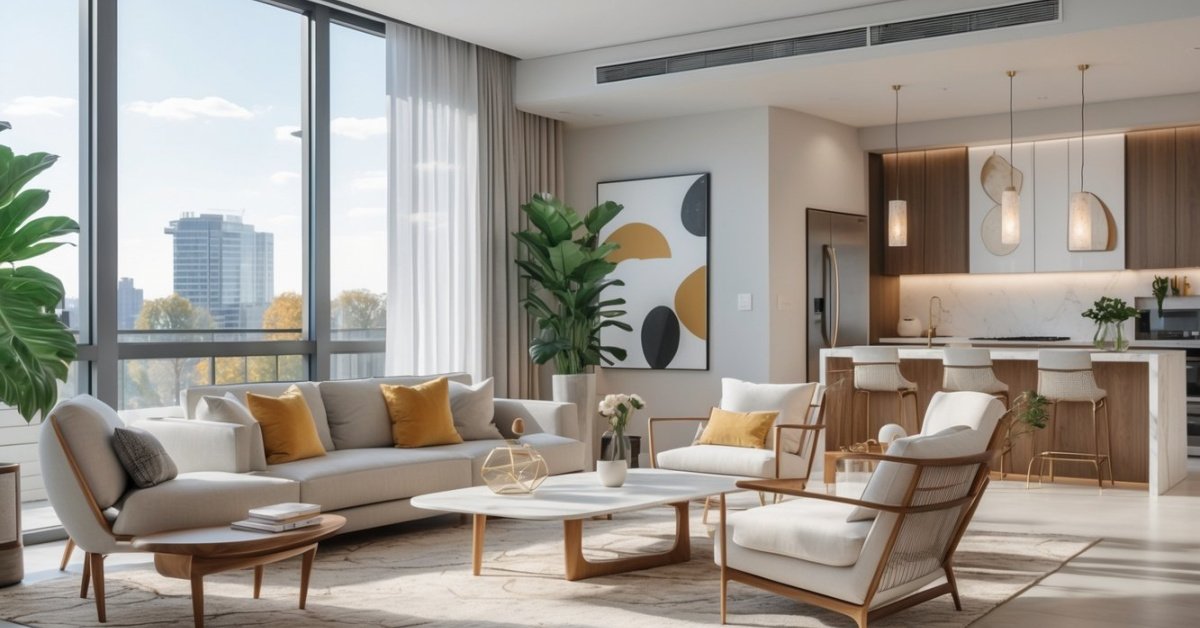
Key Takeaways
- Measure your kitchen space precisely, considering layout, ceiling height, and door swings to optimize cabinet placement and maximize every inch.
- Choose cabinet styles, colors, and finishes that reflect your taste and brighten the space—lighter shades and sleek designs work well in small apartments.
- Prioritize storage solutions like tall wall cabinets, pull-out organizers, and corner units to enhance functionality in compact kitchens.
- Weigh the pros and cons of custom vs. ready-made cabinets based on your budget, room shape, and storage needs for the best fit.
- Plan a realistic budget, including installation and hidden costs, and decide between DIY or professional installation depending on your skill level and project complexity.
Choosing cabinets for an apartment kitchen can feel overwhelming with all the options out there. I know how important it is to make the most of every inch when space is tight and every detail matters. The right cabinets don’t just hold your dishes—they can transform your kitchen into a spot that feels both stylish and functional.
I’ve learned that finding cabinets that fit your needs and your taste is all about balancing practicality with personality. Whether you love a modern look or want something cozy and classic, picking the right cabinets can make your apartment kitchen truly yours. Let’s dive into what really matters when making this big decision.
Understanding Your Apartment Kitchen Space
Assessing kitchen dimensions lets me pinpoint usable cabinet space. I always take exact wall measurements, then factor in obstructions like pipes, radiators, or irregular corners. Accurate numbers help me create layouts that waste no square inch, especially in tight apartments.
Identifying workflow zones keeps movement smooth. I break the space into prep, cook, and clean areas. For example, I place the main cabinets close to sinks and stoves, so grabbing pots and utensils doesn’t mean zig-zagging across the room. Grouping cabinet types simplifies how you’ll work in the kitchen.
Evaluating ceiling heights unlocks extra storage potential. I often recommend tall upper cabinets in apartments with nine-foot ceilings or more, creating room for infrequently used items. When ceilings are low, I use shorter cabinets and leave the rest open for light to bounce around.
Spotting existing features avoids costly missteps. I always look for vents, gas lines, outlets, and windows before designing. A misplaced tall cabinet can cover ventilation or darken a window, so I document every fixture’s location first.
Mapping door swings shows how much walking space I’m working with. In many apartments, main entry, balcony, or bathroom doors cut into the kitchen zone. I check that cabinet and appliance doors can fully open without blocking key pathways or crunching against walls.
Understanding apartment kitchen footprints—whether galley, L-shaped, or open-plan—guides cabinet choice. Most NYC, Chicago, or San Francisco apartments use galley kitchens, which means I stick to slimmer base cabinets and maximize vertical options. For open-plan spaces, I blend cabinet finishes with the living area for a cohesive look.
Key Factors in Choosing Kitchen Cabinets
Picking the right cabinets for an apartment kitchen impacts storage, style, and workflow more than any other feature. I always rely on a few crucial factors when helping clients maximize these smaller spaces.
Assessing Storage Needs
Determining specific storage needs helps me select the right cabinet layout. I inventory what goes in the kitchen—cookware, pantry items, cleaning supplies—then I group these by function. For example, I often recommend deep drawers for pots and pans, pull-out shelves for spices, and tall cabinets for bulk pantry storage in apartments. Using every inch under counters and above appliances creates solutions for even tight kitchens.
Considering Cabinet Materials and Finishes
Selecting appropriate materials and finishes protects cabinets from everyday wear. I usually choose plywood or medium-density fiberboard (MDF) because they’re both durable and mid-priced. For finishes, I focus on laminate for high-traffic rentals, hardwood veneer for resale flips, and thermofoil for easy-clean surfaces. Choosing moisture-resistant finishes prevents warping and peeling near sinks or dishwashers.
Evaluating Cabinet Styles and Colors
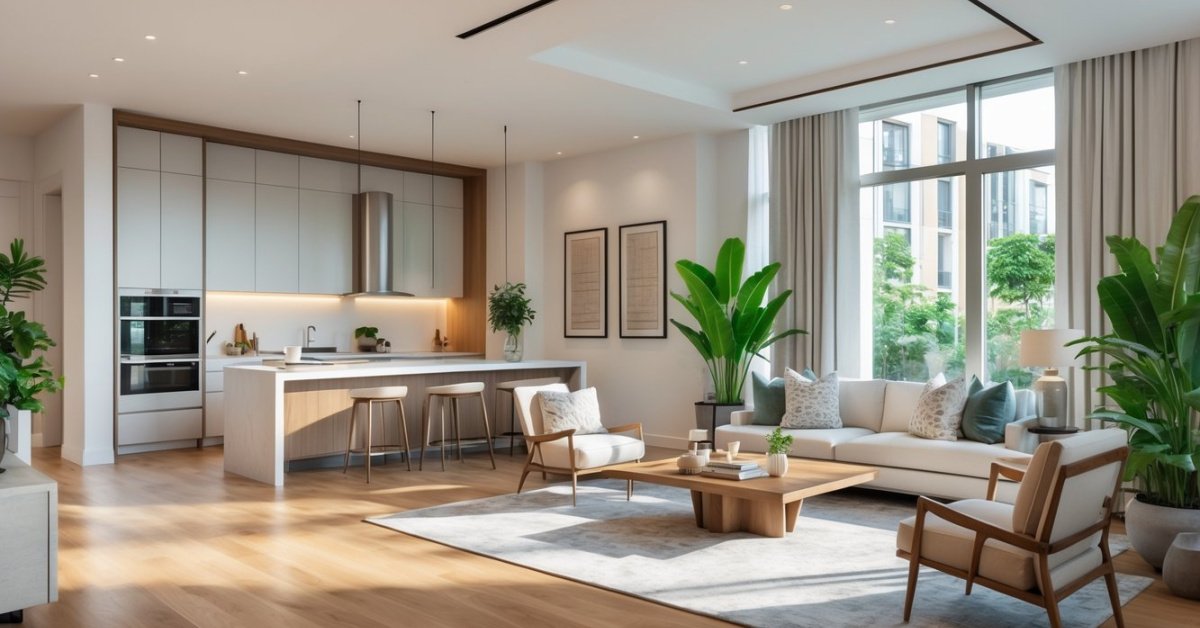
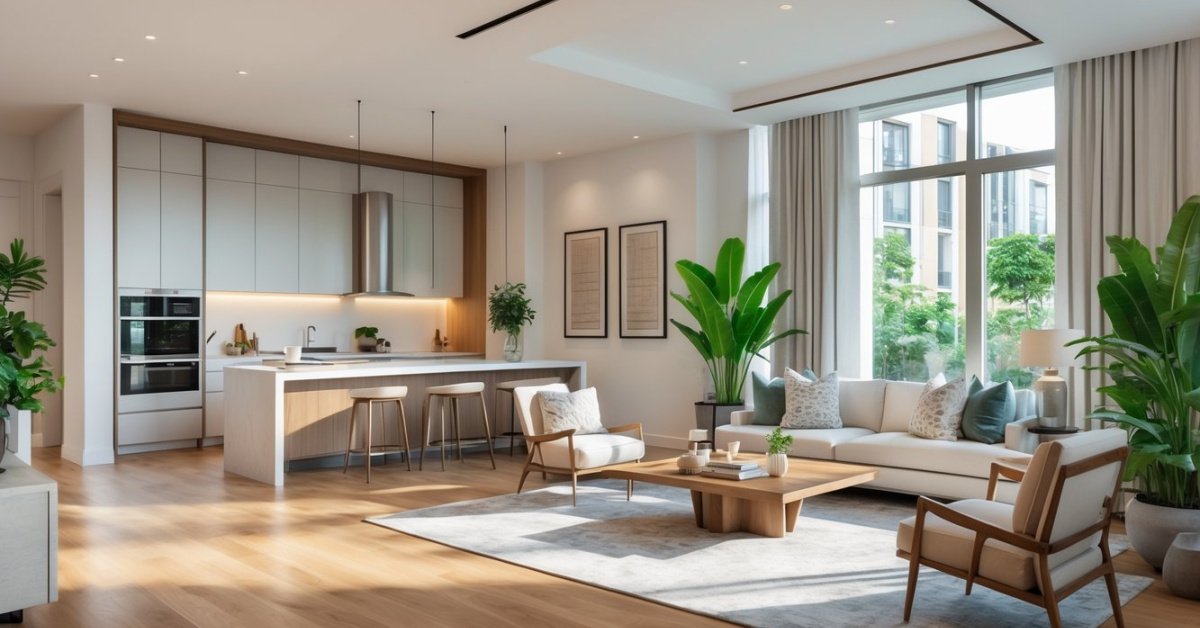
Choosing cabinet styles and colors shapes the look and feel of an apartment kitchen. I often opt for slab or Shaker doors for modern spaces and add glass inserts or subtle trim in classic layouts. Lighter colors—whites or pale grays—reflect light, making small kitchens feel open. I sometimes use bold accent shades on cabinet lowers to create contrast without overwhelming limited space. Matching cabinet hardware to appliances or light fixtures ties the design together.
Maximizing Functionality in Small Kitchens
I’ve worked on dozens of apartment kitchens, and I always see how the right cabinet choices can transform tight spaces. Designing for efficiency means using every inch, making smart use of vertical, corner, and awkward spots.
Space-Saving Cabinet Solutions
Optimizing cabinetry ensures maximum storage and accessibility in small apartment kitchens.
- Tall Wall Cabinets: I install cabinets that extend to the ceiling to gain an extra shelf or two for less-used items like holiday platters or large pots.
- Pull-Out Organizers: I specify pull-out racks for spices, trash, or cleaning supplies—making use of skinny gaps next to ovens or sinks.
- Corner Carousels: I fit corner cabinets with lazy Susans or swing-out trays, which help keep deep, hard-to-reach spaces usable for mixing bowls or appliances.
- Under-Cabinet Drawers: I add shallow drawers beneath upper cabinets for cutlery, tools, or spice jars.
- Toe-Kick Storage: I sometimes design toe-kick drawers along the base for baking sheets or cutting boards.
Custom vs. Ready-Made Cabinets
Weighing custom and ready-made options impacts both budget and fit.
- Custom Cabinets: I turn to a custom cabinetmaker if I’m working with odd room shapes, angled ceilings, or need clever inserts for unique needs. Custom work lets me match finishes or hardware throughout the space, which matters when flipping for a modern look.
- Ready-Made Cabinets: I use standard-size cabinets for budget flips, fast apartment upgrades, or when the kitchen has a simple layout. Quality stock cabinets often feature soft-close hinges and tough laminate finishes, which handle everyday apartment living. I sometimes mix in a couple of custom or semi-custom pieces—a tall pantry or narrow spice rack—if it fills a gap that ready-made options miss.
Choosing the right cabinet solution lets people increase storage, streamline workflow, and enhance resale value, all within the limited footprint of an apartment kitchen.
Budgeting and Installation Tips
Maximizing results while sticking to a plan helps every apartment kitchen project succeed. Careful budgeting and smart decisions about installation keep both your costs and stress in check.
Setting a Realistic Budget
Setting a realistic budget starts with outlining every cabinet-related expense. I break down cabinet costs, hardware, finishes, delivery, and accessories like soft-close hinges or pull-outs. For most apartment kitchens, cabinets run anywhere from $2,000 to $8,000 depending on size, materials, and customization—mid-range plywood options, for example, can land at $4,500 for a small space.
Hidden fees add up fast—delivery charges, installation labor, or custom sizing often fall outside initial quotes. I recommend setting aside about 10% of your overall cabinet budget for these types of surprises. When clients want premium features, I help them prioritize by focusing on upgrades that get the most daily use, like drawer organizers or lazy Susans for corners.
Professional Installation vs. DIY
Choosing between professional installation or DIY comes down to your comfort with tools, time, and precision. I’ve seen clients get great results with DIY flat-pack cabinets, especially in straightforward, boxy layouts—a typical 8-foot galley kitchen can take a motivated beginner about two weekends to install.
Complex setups, irregular walls, or heavy, custom doors usually call for a pro. Certified installers use laser-leveling, handle tricky plumbing enclosures, and ensure cabinets are secure—important for resale value and renter safety. Labor for apartment-size kitchens averages $1,800 to $3,500 according to HomeAdvisor data from 2023.
For most urban properties I flip, I go with professional installation to save time and guarantee alignment in these tight spaces. When budgets are tight and walls are straight, though, simple DIY projects can stretch dollars without sacrificing too much quality.
Conclusion
Choosing cabinets for an apartment kitchen can feel overwhelming but it’s also a chance to create a space that truly fits your needs and style. I’ve found that a little planning goes a long way in making the most of every inch.
Whether you’re dreaming of a sleek modern look or something more classic you’ll enjoy your kitchen so much more when every cabinet works for you. Take your time explore your options and don’t be afraid to get creative with your solutions. Your perfect apartment kitchen is within reach!