Key Takeaways
- Clear communication and written agreements are essential for setting expectations and responsibilities in shared apartment spaces.
- Smart storage solutions like open shelving, multi-purpose furniture, and labeled containers can maximize space and minimize clutter.
- Defining personal and communal zones, with labeled bins and designated storage areas, helps maintain organization and avoids confusion.
- Regular cleaning schedules and prompt resolution of issues ensure long-term harmony and a tidy living environment among roommates.
- Blending individual styles with practical design choices personalizes shared areas while keeping them functional and clutter-free.
Living with roommates can be a lot of fun but keeping a shared apartment organized isn’t always easy. I’ve learned that a little planning goes a long way when it comes to making sure everyone feels comfortable and at home. It’s not just about keeping things tidy—it’s about creating a space where everyone can relax and enjoy themselves.
I know how tricky it can be to blend different habits and styles under one roof. With some simple strategies and open communication it’s totally possible to keep your place looking great and feeling welcoming. Let’s dive into some tips that’ll help turn your shared apartment into a space you’ll all love coming home to.
Understanding the Challenges of Shared Apartment Living
Managing shared apartment space always brings unique challenges—I’ve seen these play out dozens of times in flips and design consultations. Storage runs tight when several people share 900 square feet or less. Differences in cleaning standards often lead to tension, especially when one roommate’s idea of clean doesn’t match the other’s. Finding a balance between personal style and shared design impacts everything from paint color to sofa arrangement.
Defining clear zones for private and communal use can get tricky, with overlapping schedules and lifestyle differences. I often notice clutter building up near entryways or in shared kitchens since everyone’s routines overlap in these spaces. Noise becomes a challenge in older apartments with thin walls or hard floors—footsteps and late-night phone calls carry farther than most expect.
Maintenance and responsibility-sharing pose another frequent hurdle. Some tenants report leaky faucets or faulty wiring while others ignore them, so deferred fixes quickly multiply. Even trash removal or cleaning supplies can become points of friction if no one claims them.
Designing solutions that consider both personal needs and shared expectations always increases harmony. My best apartment flips succeed when I address these core challenges from the start, leaning on communication and clear guidelines for shared space organization. This sets the foundation for smoother day-to-day living and helps every roommate feel at home.
Setting Ground Rules for Organization
I find every successful shared apartment starts with clear ground rules. In my work fixing up apartments, I’ve noticed that organization develops naturally when everyone understands their role from day one.
Communication and Agreements
I always recommend open, honest talks about habits, expectations, and pet peeves. Roommates get the most out of shared spaces when they create written agreements—these should outline cleaning routines, quiet hours, and zones for personal storage. For example, lists and digital calendars help everyone stick to agreed schedules. When I coach clients, I encourage group check-ins each month to keep things running smoothly and adjust rules as needed.
Dividing Responsibilities
I suggest assigning tasks based on strengths or preferences, since shared apartment living stays harmonious when no one feels overwhelmed. Rotating chores like taking out the trash or wiping kitchen counters ensures fairness. I’ve seen roommates succeed by creating a weekly checklist that covers essentials, such as vacuuming common areas and restocking household supplies. This approach works in apartments with two and with four roommates—everyone always knows what to tackle, so the space stays tidy and comfortable for all.
Practical Tips on Decluttering and Storage
Every apartment project I take on gives me a new chance to rethink storage and keep shared spaces organized. With the right approach, even small rooms can feel larger and less cluttered.
Maximizing Shared Spaces
Optimizing shared spaces starts with smart storage solutions.
- Open shelving systems: Open shelving along unused walls creates display areas for decor and baskets. I often recommend adjustable metal shelves for kitchens since they hold cookware and dry goods without taking up floor space.
- Multipurpose furniture: Ottomans with hidden compartments, beds with built-in drawers, and wall-mounted fold-down tables turn single pieces into organized storage in living areas.
- Corner units: Installing shelves or corner desks transforms overlooked corners into functional storage spots, especially in living rooms and entryways.
- Vertical storage: Tall cabinets and stacked organizers help use ceiling height efficiently for cleaning supplies and pantry items.
- Common area dividers: Bookshelves or portable screens can separate communal zones from private corners, doubling as storage and giving each roommate defined space.
Personal vs. Communal Items
Defining and storing personal versus communal items brings order to shared living.
- Labeling systems: Clear bins labeled by name or purpose make sure kitchen items, cleaning supplies, and bathroom products stay organized. I always suggest matching containers for a unified look.
- Locker or cubby use: Individual lockers or cubbies in hall closets or shared bathrooms keep each roommate’s essentials private and accessible.
- Storage zones: Assigning cabinets or shelves by person avoids confusion and makes inventory checks easy. I create custom shelving units when possible, using vertical dividers to separate toiletries, pantry staples, and cleaning products.
- Communal bins: Large baskets or crates in living rooms or entryways hold shared board games, tools, or bulk items, so nothing piles up in walkways.
Strategic changes like these help every roommate find what they need, keep common areas tidy, and make shared apartments feel bigger and more functional.
Creating Functional Shared Areas
I focus on using every inch of shared apartments to create practical and inviting zones. Good design and smart upgrades help roommates keep spaces tidy, efficient, and comfortable.
Kitchen Organization
I use vertical shelving above counters and inside cabinets to maximize storage for cookware, food, and shared gadgets. Clear bins labeled by roommate or use—like “shared staples” or “snack shelf”—help prevent food mix-ups. Slim rolling carts fit between appliances and double as extra prep surfaces. Hooks on backsplash walls or inside doors keep utensils and mugs within reach. For tight dining areas, I install fold-down tables or banquettes with built-in storage beneath.
Bathroom Solutions
I add tiered shelving units over toilets for towels and personal bins, which makes dividing bathroom essentials easy. Wall-mounted baskets hold soaps and hair products, giving everyone a dedicated spot. I like installing towel bars or hooks labeled for each roommate to cut down on towel confusion. Under-sink organizers with pull-out trays give simple access to personal care baskets. Clear shower caddies, assigned by color or name, keep bathing products separate and organized.
Living Room Arrangement
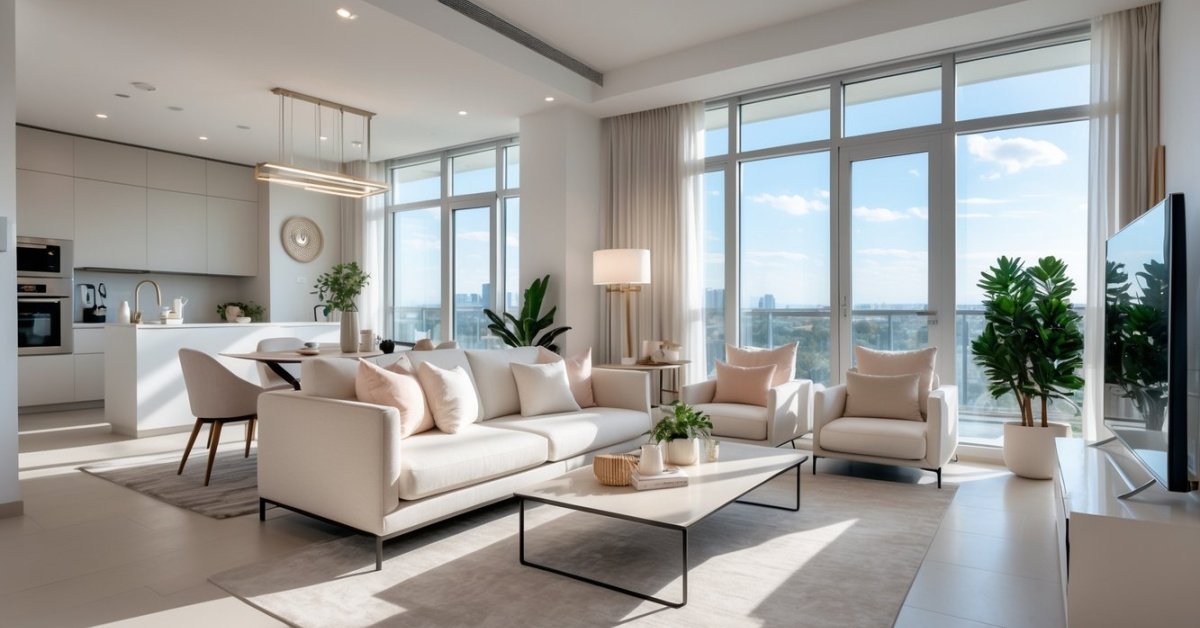
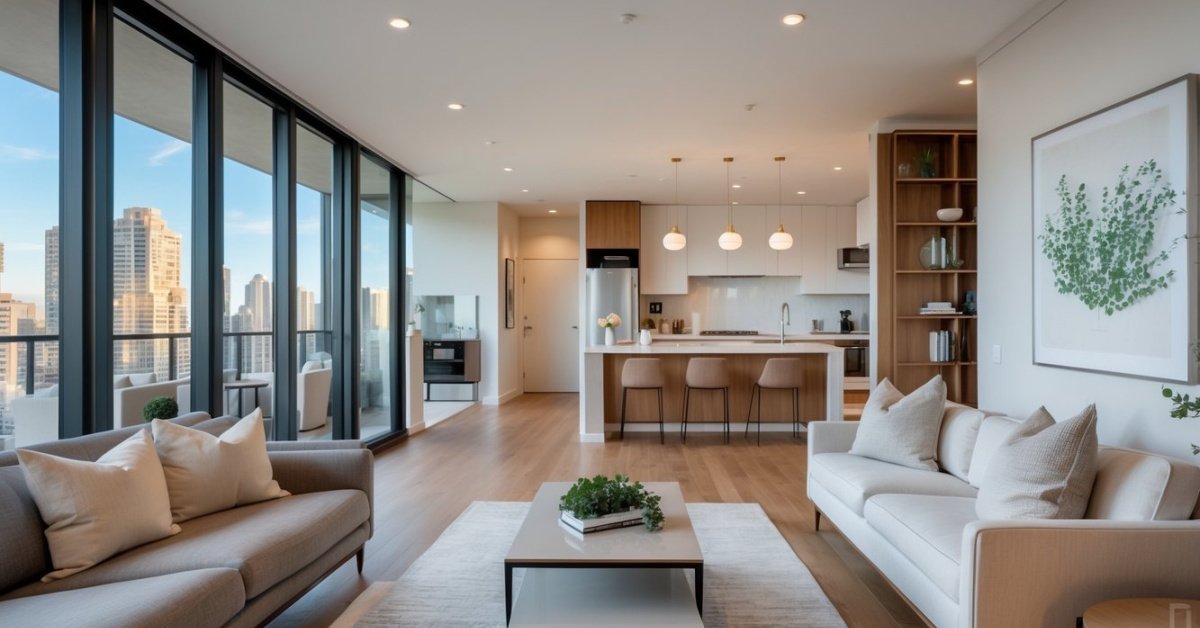
I arrange seating to define traffic flow and encourage conversation—modular sofas or lightweight accent chairs can adapt for movie nights or study sessions. Storage ottomans and lift-top coffee tables conceal board games, remotes, or throw blankets. Bookshelves with divided sections let roommates display favorite reads or photos without mixing up stuff. I add baskets or trays for quick clean-up, keeping clutter out of sight but within easy reach. Wall hooks or command strips are great for organizing keys, headphones, or bags by the front door.
I love showing clients that creative planning and well-chosen upgrades turn shared rooms into zones everyone feels at home in.
Incorporating Personal Styles in Shared Spaces
Every shared apartment works best when everyone gets to show a bit of their own style. I always notice that blending personality into common areas not only makes the space unique but also keeps everyone feeling like they belong.
Balancing Aesthetics and Practicality
Balancing aesthetics and practicality matters most in shared spaces. I always recommend layering decorative touches with functionality. For example, mixing throw pillows that reflect each roommate’s favorite color palette adds personality to a neutral sofa. Choosing wall art with interchangeable frames lets everyone contribute to the decor without committing to one permanent arrangement. Using furniture with clean lines and built-in storage, like upholstered benches or coffee tables with hidden compartments, maintains style while controlling clutter. Each shared choice should reflect a bit of everyone—mixing textures like wool throws, velvet cushions, or woven baskets brings warmth to a space without overcrowding.
Decorating Without Clutter
Decorating without clutter keeps shared apartments feeling open and welcoming. I install floating shelves to display plants, framed photos, or curated book collections—this uses vertical space without taking up the floor. Rotating seasonal decor, like lightweight wall hangings or table runners, allows each roommate to showcase their style for a time without crowding shelves. I bring in multifunctional accessories; for example, decorative trays gather keys and mail on an entry table, or stylish baskets hold shoes near the door. I emphasize always editing decor displays regularly so every piece in common areas serves a visual or functional role, keeping things tidy while celebrating everyone’s taste.
Maintaining an Organized Apartment Long-Term
Keeping a shared apartment organized long-term relies on consistency and teamwork. When I design or renovate apartments, I build routines into my layouts and suggest collaborative agreements so that spaces stay functional long after the project ends.
Regular Cleaning Schedules
Establishing regular cleaning schedules provides structure for any apartment. I advise roommates to use a visible chart or digital tracker—think a whiteboard in the kitchen or an app with reminders. Assigning weekly or biweekly rotations for tasks like bathroom scrubbing, kitchen counters, and vacuuming makes sure nobody has to shoulder all the work. Consistency is easiest when chores fit seamlessly into everyone’s routine; for example, splitting larger jobs like a deep-clean every month, or assigning detail work like dusting and wiping baseboards to alternate weeks. Clients who’ve adopted scheduled cleaning share that their apartments look polished year-round, even with busy personal lives.
Addressing Issues Promptly
Resolving issues promptly stops small problems from becoming big ones. Whenever I flip properties, lingering issues—like leaky faucets or clutter left in shared zones—always lead to frustration or expensive fixes. I recommend setting a time during your check-ins to address concerns about organization, cleanliness, or repairs. If something feels off, address it in person or through a group message as soon as possible; waiting tends to breed resentment and mess. Most successful shared households I work with make adjustments right away if someone’s overwhelmed, trading tasks or tweaking the routine before it turns into conflict. By tackling problems early, the apartment stays comfortable and everyone’s happier living there.
Conclusion
Sharing an apartment isn’t always easy but it’s definitely rewarding when everyone feels comfortable and respected. I’ve found that a little creativity and open-mindedness go a long way in making shared spaces work for all roommates.
When everyone pitches in and communicates honestly it’s much easier to keep things organized and stress-free. With a bit of effort and teamwork you’ll not only create a functional home but also build stronger connections with those you live with.