Key Takeaways
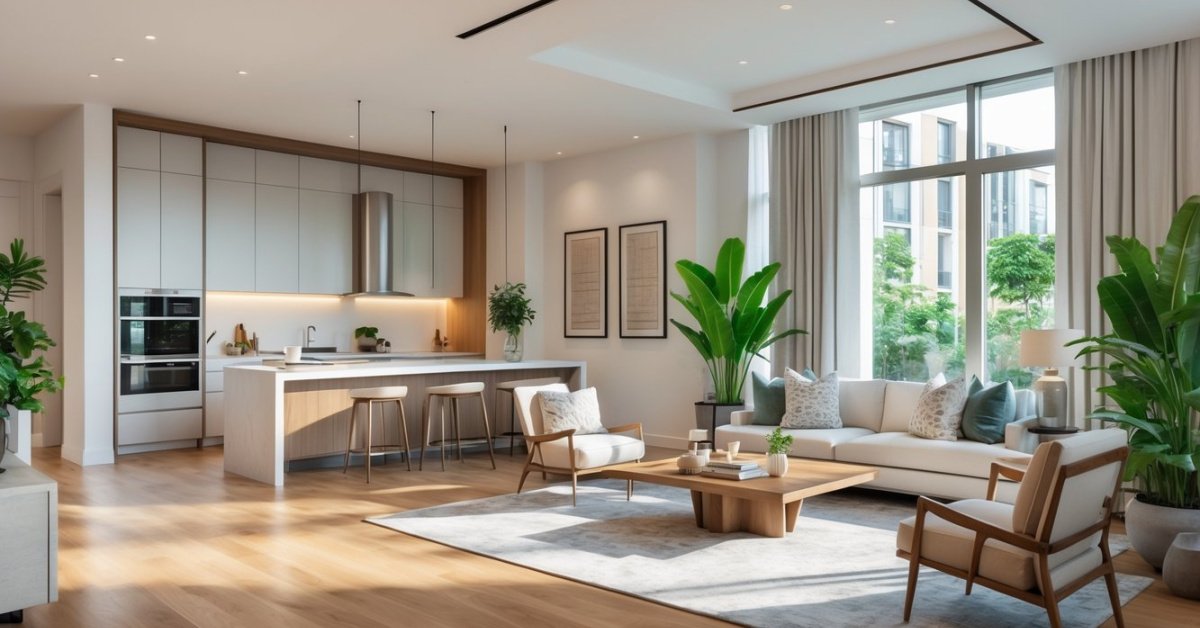
- Proper lighting can transform an apartment’s ambiance, making it feel more spacious, functional, and inviting.
- Layering light sources—ambient, task, and accent lighting—creates depth and flexibility in any room.
- Maximizing natural light with mirrors and sheer curtains enhances brightness and reduces the need for artificial lighting during the day.
- Energy-efficient options like LED lights and smart lighting systems lower energy costs while offering long-lasting performance.
- Tailoring lighting solutions to each room’s purpose, such as task lighting in kitchens or dimmable options in bedrooms, ensures both functionality and comfort.
- Smart lighting features, including app control and motion sensors, add convenience and practicality, especially in smaller apartments.
Lighting can completely transform the vibe of an apartment. I’ve always believed that the right light doesn’t just brighten up a space—it breathes life into it. Whether you’re dealing with a cozy studio or a spacious loft, the way you light your home can make all the difference in creating a warm and inviting atmosphere.
Importance Of Proper Lighting In Apartments
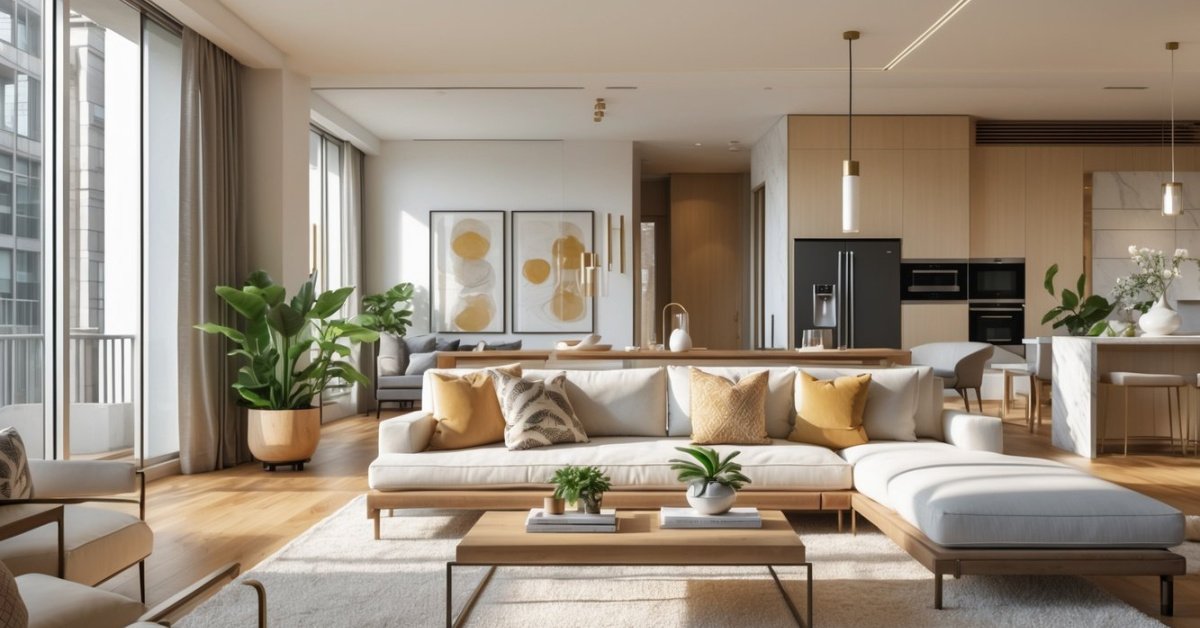
I’ve learned over the years that lighting can completely transform an apartment’s look and feel. It goes beyond brightness; it creates depth, warmth, and functionality in small spaces. In apartments, where space is often limited, proper lighting design can make a room feel larger and more welcoming.
Natural light is one of the most important elements. Large windows or strategically placed mirrors can maximize sunlight and create an open atmosphere. If an apartment lacks natural light, I always recommend layering lighting with a mix of fixtures like ceiling lights, wall sconces, and floor lamps.
Task lighting impacts usability. For areas like kitchens or home offices, focused light improves functionality without cluttering the design. For example, installing under-cabinet lighting can highlight counters while maintaining a sleek look.
Accent lighting highlights architectural features or décor. I love using LED strip lights under floating shelves or spotlights on artwork. These touches add personality while enhancing the room’s overall ambiance.
Dimmer switches enhance flexibility. In multifunctional spaces, being able to adjust brightness creates the perfect setting for any activity, whether relaxing or working. For studio apartments, I consider this a must-have upgrade.
Types Of Lighting Options
Lighting has the power to redefine an apartment’s style and functionality. I always focus on layering light sources to create a bright and inviting atmosphere while making the most of smaller spaces.
Ambient Lighting
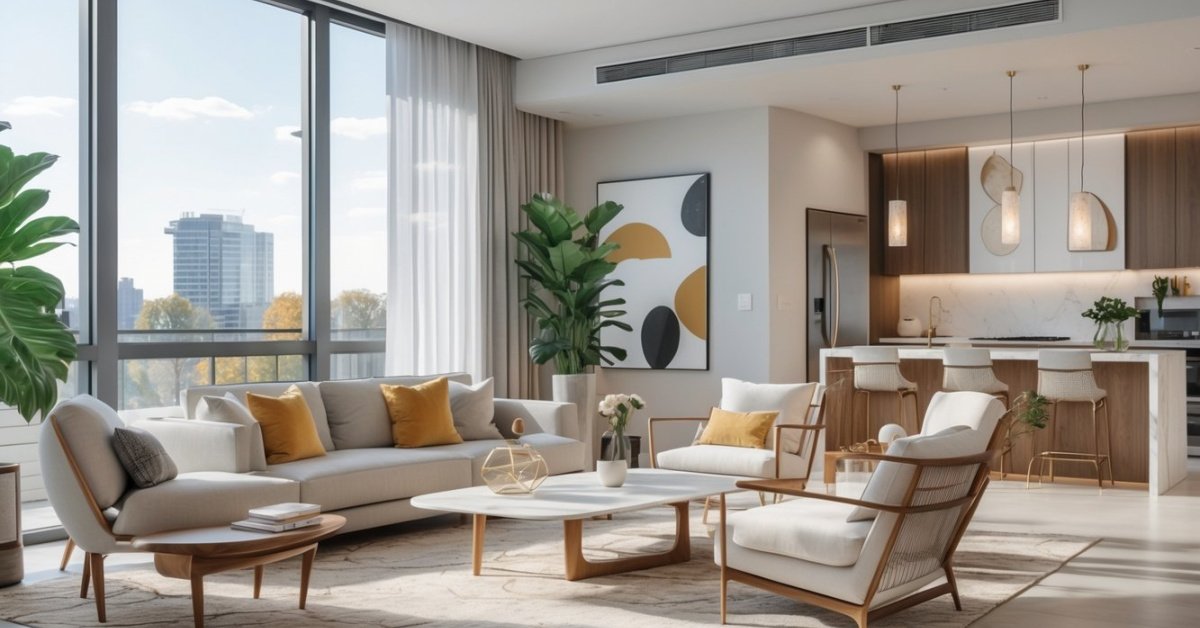
Ambient lighting forms the primary source of illumination in any apartment. I prefer ceiling-mounted fixtures like flush-mount lights or pendant lights, as they distribute light evenly. Recessed lighting works well in modern apartment designs with lower ceilings. For larger spaces, multi-light chandeliers can add both brightness and character.
Task Lighting
Task lighting is essential for focused work areas. I often install under-cabinet LED strips in kitchens to brighten countertops or sleek desk lamps in home offices for better visibility. Adjustable wall-mounted lights are a great choice for beds or reading nooks in smaller apartments, providing illumination without sacrificing space.
Accent Lighting
Accent lighting highlights specific features in an apartment. I like using LED spotlights to draw attention to artwork, shelving, or textured walls. Picture lights or uplighting behind plants add depth to the ambiance. Including dimmable options allows better control over the mood for these decorative layers.
Best Lighting Solutions For Different Rooms
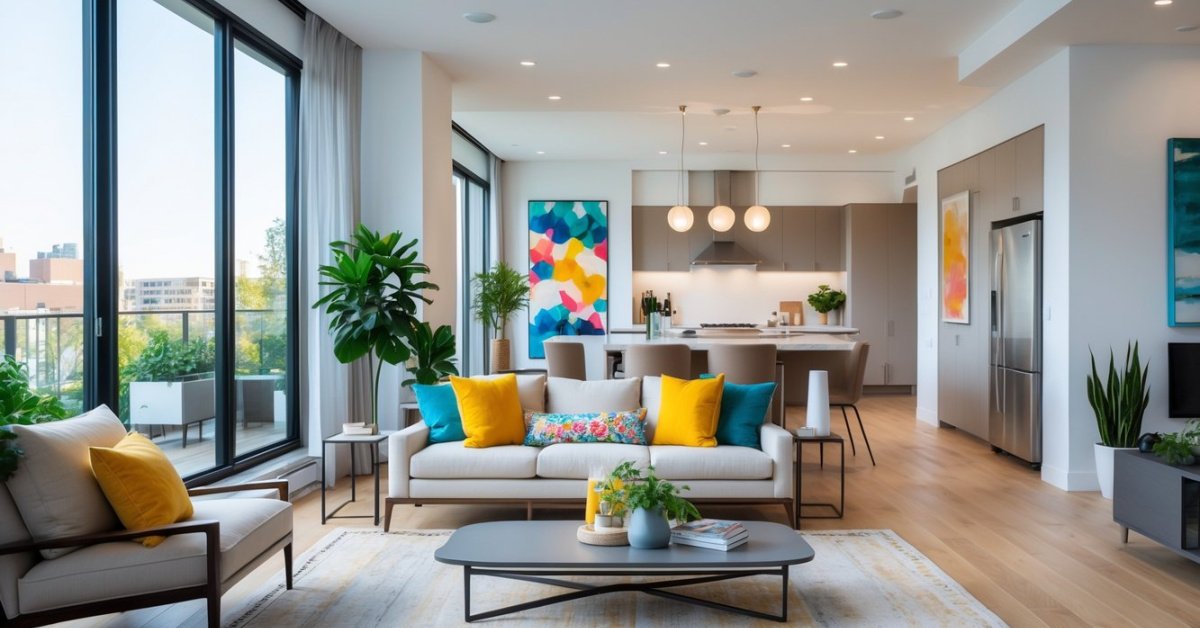
Bright, functional lighting can transform each room in an apartment, especially in smaller spaces. Thoughtful selections bring out the room’s personality and ensure each area serves its purpose efficiently. Here’s how I approach lighting design for every part of the home.
Living Room
The living room benefits from layered lighting to accommodate different activities like entertaining, relaxing, or working. I often start with a statement ceiling fixture, like a modern chandelier or large pendant light, to set the tone. Recessed lighting works well for even illumination in smaller living rooms. Floor lamps with adjustable arms provide task lighting for reading corners. I also use wall sconces or LED strip lights behind furniture or around shelving to add subtle accent lighting.
Kitchen
Kitchens require bright, task-oriented lighting to support functions like cooking and cleaning. I typically go with recessed or track lighting for general illumination. Under-cabinet LED strips are my go-to for brightening countertops. In apartments with eat-in kitchens, I love using pendant lights above a dining area or kitchen island to add a stylish yet functional touch. For a sleek look, I sometimes include integrated cabinet lighting to keep the space feeling larger.
Bedroom
A cozy yet functional design approach works best for bedrooms. For overall lighting, I usually recommend a flush-mount ceiling light or a fabric drum pendant for a softer look. Clients often appreciate adjustable bedside wall sconces for reading at night. Table lamps with warm bulbs create ambient light, while dimmable fixtures help set a relaxing evening mood. If closets lack integrated lighting, adding motion-sensor LED strips inside is an inexpensive upgrade that enhances functionality.
Bathroom
Bathrooms need layered, moisture-resistant lighting. I like to begin with a ceiling-mounted LED light for even brightness. Around the vanity, vertical wall sconces or an LED mirror provide essential task lighting to reduce shadows. For small bathrooms, recessed lights above the shower area or in tight corners make the space feel larger. Warm or neutral light temperatures work best to maintain a clean, inviting atmosphere.
Energy-Efficient Lighting Options
When designing a bright and efficient apartment, lighting plays a critical role in keeping electricity costs low without sacrificing style or functionality. I often recommend these energy-efficient options to clients who want to light up their spaces while saving money long-term.
LED Lights
LED lights have become my go-to choice for most apartments. These lights consume up to 75% less energy than traditional incandescent bulbs and last significantly longer, often exceeding 25,000 hours of use. I love using LED recessed lighting in ceilings for modern, clean designs, or installing LED strips under cabinets and shelving to illuminate darker corners. They come in various color temperatures, from warm tones for living rooms and bedrooms to cooler tones for kitchens and bathrooms, ensuring every room has precisely the right ambiance.
Smart Lighting Solutions
Smart lighting offers impressive energy savings and convenience. These systems allow you to control brightness, color temperature, and even the on/off schedule using your phone or voice commands. I’ve upgraded many apartments with smart LED bulbs and integrated systems like Philips Hue or Lutron Caséta. Many of these connect with home automation tools, letting my clients manage lighting remotely to avoid wasting electricity. Adding motion-activated smart switches in low-traffic spaces, such as hallways or closets, is another simple energy-saving solution I regularly recommend to maximize utility in smaller apartments.
Tips For Choosing The Right Lighting For Your Apartment
Picking the perfect lighting for an apartment is all about balancing function and aesthetics. I’ve learned that lighting can make or break a space, especially in smaller apartments where every detail counts. Here’s how I approach it when designing or flipping properties.
Assess Natural Light First
Understanding how much natural light fills the space is my starting point. South-facing windows provide more consistent daylight, while north-facing ones might need extra help. I maximize whatever natural light exists by placing mirrors strategically across windows and opting for sheer curtains.
Match Lighting To Room Function
Each room has its own needs. In the kitchen, task lighting like under-cabinet LED strips ensures a functional prep area. For the living room, I always incorporate layered lighting—think overhead ambient light paired with floor lamps for reading. Bedrooms benefit from dimmable bedside sconces, and in bathrooms, I prioritize bright, moisture-resistant fixtures.
Layer Different Light Sources
Combining ambient, task, and accent lighting makes an apartment feel well-designed. For example, I might start with a flush-mount ceiling light for general illumination, add a swing-arm wall light over a reading nook, and finish with a light strip along shelving to highlight décor.
Choose Energy-Efficient Options
LED lights dominate my designs. They’re energy-efficient, lasting much longer than traditional bulbs while offering flexible color temperatures. I frequently use dimmable LED fixtures since they give tenants and homeowners control over brightness levels for different moods.
Factor In Style And Size
Compact, modern fixtures work wonders in smaller spaces. For example, pendant lights add personality without overwhelming square footage. I avoid oversized chandeliers unless the ceiling height justifies it, which is rarely the case in apartments. Sleek track lighting or recessed lights often fit better.
Opt For Smart Lighting Solutions
Smart lighting saves energy and adds convenience. I include features like app-controlled brightness or motion-sensor switches in most of my projects. These upgrades work well in entryways or closets where lights don’t stay on for long, adding to both function and efficiency.
Lighting transforms an apartment from simply workable to warm and inviting, and these are the principles I follow with every project. Each decision impacts how a space feels, so it’s important to prioritize both style and practicality.
Conclusion
Choosing the right lighting can completely transform the way your apartment feels and functions. It’s all about finding the perfect balance between practicality and style while making the most of your space and natural light. With the right mix of ambient, task, and accent lighting, you can create a home that’s not only bright but also warm and inviting.
Don’t forget to explore energy-efficient and smart lighting options to save on costs and add convenience to your daily routine. Thoughtful lighting design isn’t just about illumination—it’s about creating a space that truly feels like home.