Key Takeaways
- Minimalist living in apartments maximizes space, reduces clutter, and enhances comfort by prioritizing essential items and intentional design.
- Decluttering regularly and using smart storage solutions—like multi-functional furniture and vertical shelving—creates a more organized, spacious environment.
- Opt for simple, neutral décor to make rooms appear larger and calmer, while carefully selecting dual-purpose furniture for added functionality.
- Establish mindful shopping habits to prevent unnecessary accumulation and practice daily tidying routines to maintain a clutter-free home.
- Focus on strategic layouts, cohesive color schemes, layered lighting, and biophilic elements to promote peace and functionality in small spaces.
Living in an apartment has taught me that less really can be more. When space is tight and clutter starts piling up it’s easy to feel overwhelmed. That’s where minimalist living comes in—it’s not just a trend but a way to create room for what truly matters.
I’ve discovered that embracing minimalism doesn’t mean giving up comfort or style. Instead it’s about making smart choices that help me feel lighter and more at home. Whether you’re in a cozy studio or a small two-bedroom apartment these simple tips can help you transform your space and your mindset.
Why Embrace Minimalism in Apartment Living
Maximizing apartment space stays easier with minimalist design. Over years of renovating and redesigning apartments, I see that streamlined spaces always result in less clutter and more usable square footage. Minimalism lets every item earn its place, making daily movement easier and cleaning simpler in smaller homes.
Boosting apartment comfort comes naturally with fewer distractions. I notice my clients feel more at ease and focused when there are clear surfaces and intentional decor—for example, using one standout piece of art instead of gallery walls in compact living rooms.
Increasing storage flexibility stands out when you pare down belongings. In units where I’ve removed bulky furniture, modular shelves or hidden storage create more options. Minimalism pushes me to select dual-purpose pieces like ottomans with storage or wall-mounted desks.
Elevating a property’s resale value often follows minimalist staging. Apartments with neutral colors, open layouts, and uncluttered rooms photograph better and sell faster, according to the National Association of Realtors’ 2023 staging report.
Enhancing functionality in small-space living sits at the heart of my approach. Every fixture, appliance, or piece of furniture needs to multitask when I redesign apartments for busy city dwellers. Minimalism syncs perfectly with that goal, ensuring nothing wastes precious square footage.
Declutter Your Space Effectively
Minimalist living always starts with an intentional reset. I see every apartment project as a new canvas, and decluttering lets me design spaces that feel fresh and functional, no matter the square footage.
Sorting and Letting Go
Sorting and letting go create instant breathing room. I divide belongings into clear categories: keep, sell, donate, and recycle. I pull everything out of closets, drawers, and even under the bed to check what earns a spot in my clients’ lives. Clothing, for example, goes unused for 12 months rarely justifies the closet space. I use visual tricks—like laying every item in a single layer—to help clients spot redundancies. Sentimental objects, like inherited décor or old books, get special consideration: I ask if they support the lifestyle or just take up shelf space. If an item doesn’t serve a purpose or spark genuine happiness, it leaves the apartment.
Smart Storage Solutions
Smart storage solutions maximize every inch in small apartments. I recommend tall shelving units for vertical storage, especially in kitchens and bathrooms where cabinet space runs tight. I install floating shelves to keep clutter off surfaces. Under-bed storage bins and modular organizers turn wasted space into valuable real estate. In living rooms, I choose furniture with hidden compartments—like ottomans that double as storage for blankets and pillows. I mount coat racks and key hooks near entryways, using wall space to corral daily essentials. When I design closets, I add adjustable rods, clear boxes, and multi-purpose hangers to keep everything visible and tidy. Compact apartments feel more spacious when every storage choice is both deliberate and discreet.
Essential Furniture and Decor Choices
In all my years flipping apartments, I’ve found that the right furniture and decor make the biggest difference in a minimalist space. Every piece counts, so I always look for designs that combine beauty with purpose.
Multi-Functional Furniture
Multi-functional furniture increases usable space in every apartment I work on. Storage ottomans hold extra blankets and double as coffee tables. Convertible sofas offer both seating and a guest bed, which helps when square footage is tight. Drop-leaf tables serve as dining or work surfaces but fold down when unused. Built-in shelving around beds creates vertical storage, keeping the floor open. I often choose benches with cubbies for entryways, so shoes and bags stay hidden but accessible.
| Furniture Piece | Function 1 | Function 2 |
|---|---|---|
| Storage ottoman | Seating | Concealed storage |
| Convertible sofa | Seating | Guest bed |
| Drop-leaf table | Dining/work space | Compact footprint when folded |
| Bed with shelves | Sleeping | Vertical storage |
| Entryway bench | Seating | Shoe/bag storage |
Simple, Neutral Decor
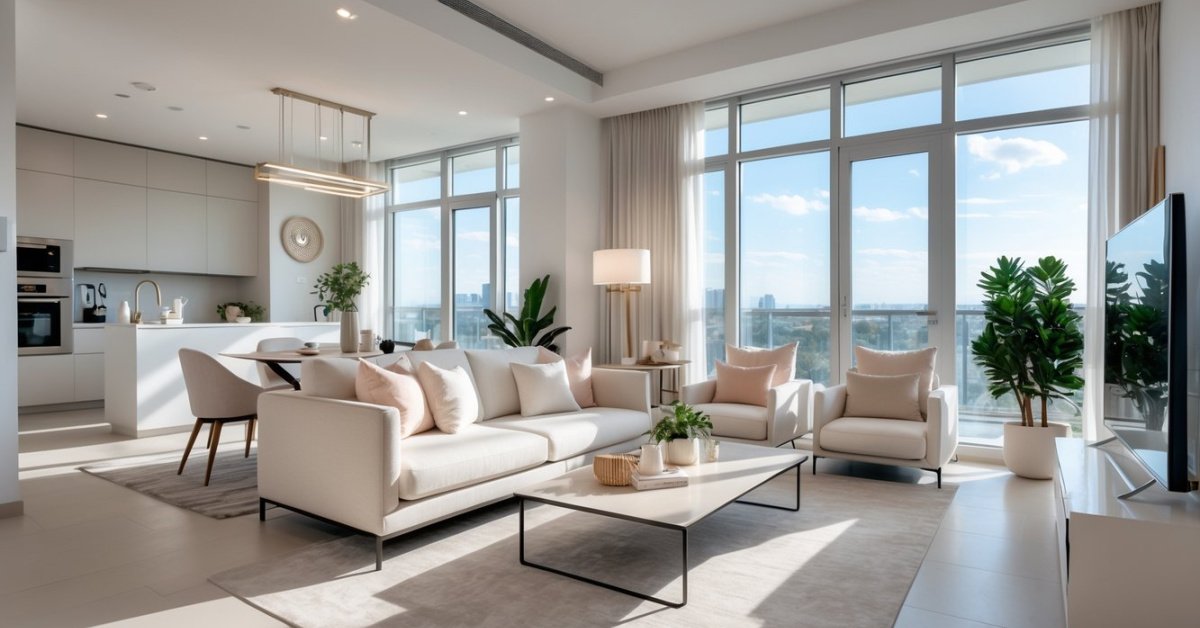
Simple, neutral decor creates calm and makes small spaces appear larger, a principle I apply to every flip. White, beige, and gray walls form a clean backdrop for artwork and plants. Plain drapes in linen or cotton let in natural light, which expands the sense of space. Decorative pieces like vases, picture frames, and cushions stay within a cohesive color palette. I limit surface accessories so nothing looks cluttered. Low-profile lighting, such as flush-mount LED fixtures or table lamps, adds brightness without overwhelming the room.
Everyday Minimalist Habits
Every apartment I’ve worked on transforms fastest when simple habits stick. Daily actions create lasting impact—especially in tight spaces where every decision counts.
Mindful Shopping Practices
I center my minimalist projects around intentional buying. Before I bring anything new into a space, I always check if it matches the core needs of daily living and fits the existing design. I ask myself if this piece offers versatility, like stackable chairs or nesting tables, before committing. In every flip, I opt for quality over quantity—solid wood dining chairs outlast bargain options and actually save space over time because they rarely need replacing. Sticking to a set shopping list when sourcing decor and materials stops me from impulse buys that clutter up the home and cut into renovation profits. Minimalist shopping also means digital receipts and donation drop-offs, so I never create piles of paper or packaging during a project.
Maintaining a Clutter-Free Home
I encourage my clients to make tidying a daily habit, not a weekend chore. After each job, I walk the apartment, returning every item to its dedicated spot. I use floating drawers and built-in wall shelves, so clutter doesn’t land on counters or the floor. I always add labeled storage bins under beds and inside closets so it’s easy to sort out extra décor, holiday items, or tools. Anything that loses its purpose heads straight to the donate or discard pile. I make it a rule to clear kitchen counters and coffee tables every night—I even keep a streamlined “catch-all” tray by the door for keys and mail to prevent scatter. In every project, I find that these daily micro-habits—put-back routines and regular editing—keep homes feeling fresh, even years after the last flip.
Creating a Peaceful, Functional Environment
Strategizing layout helps me transform small apartments into calm, usable spaces. I begin each project by mapping out daily movement patterns—paths from entry doors to kitchens, for example—so every inch supports practical routines without excess furniture getting in the way.
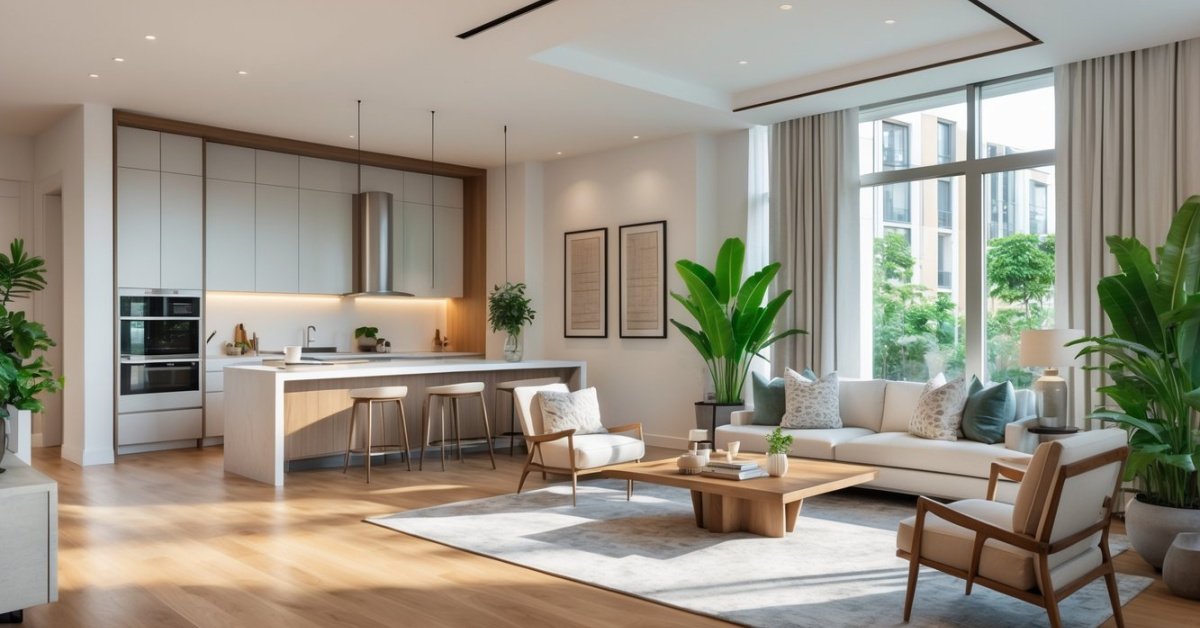
Choosing a limited color palette makes rooms feel serene and cohesive. I typically stick to three complementary shades—like soft grays, whites, and muted greens for living rooms—to avoid visual clutter and keep the energy balanced throughout the space.
Adding organic materials, such as wood, linen, or wool, instantly grounds the environment. I use solid wood side tables or linen throw pillows in my designs to bring comfort without overpowering the room with heavy details.
Incorporating biophilic elements anchors energy and offers relaxation. I recommend a few low-maintenance potted plants, like snake plants or pothos, in corners or windowsills; these varieties thrive with minimal sunlight and water, so maintenance stays minimal.
Enhancing lighting by layering soft sources makes a big difference in small apartments. I arrange adjustable floor lamps near reading chairs and under-cabinet lighting in kitchens to prevent dark, unused pockets.
Keeping surfaces clear by storing only essentials on countertops—such as a kettle on the kitchen counter or a lamp and book on a nightstand—ensures spaces always appear open and calm. Clients report feeling less stress and more focus when everyday items have designated homes.
Soundproofing is another detail many overlook. I often add thick rugs, lined drapes, or fabric wall hangings to absorb noise from neighbors and city traffic. These touches boost both peace and insulation in busy buildings.
Utilizing flexible dividers or open shelving between zones lets natural light flow while giving each area a purpose. For instance, open bookshelves separate sleeping nooks from living areas in studios without making either feel boxed in.
Every choice—from efficient layouts to tactile finishes—helps me create peaceful, functional apartment environments that support daily living and invite relaxation.
Conclusion
Minimalist living in an apartment has taught me that less really can be more. By making thoughtful choices and staying intentional about what I bring into my space I’ve found a sense of calm and freedom that clutter just can’t offer.
Every small step—whether it’s choosing multi-functional furniture or sticking to mindful routines—makes a noticeable difference. I hope these tips inspire you to create a home that feels open inviting and uniquely yours no matter the size of your apartment.