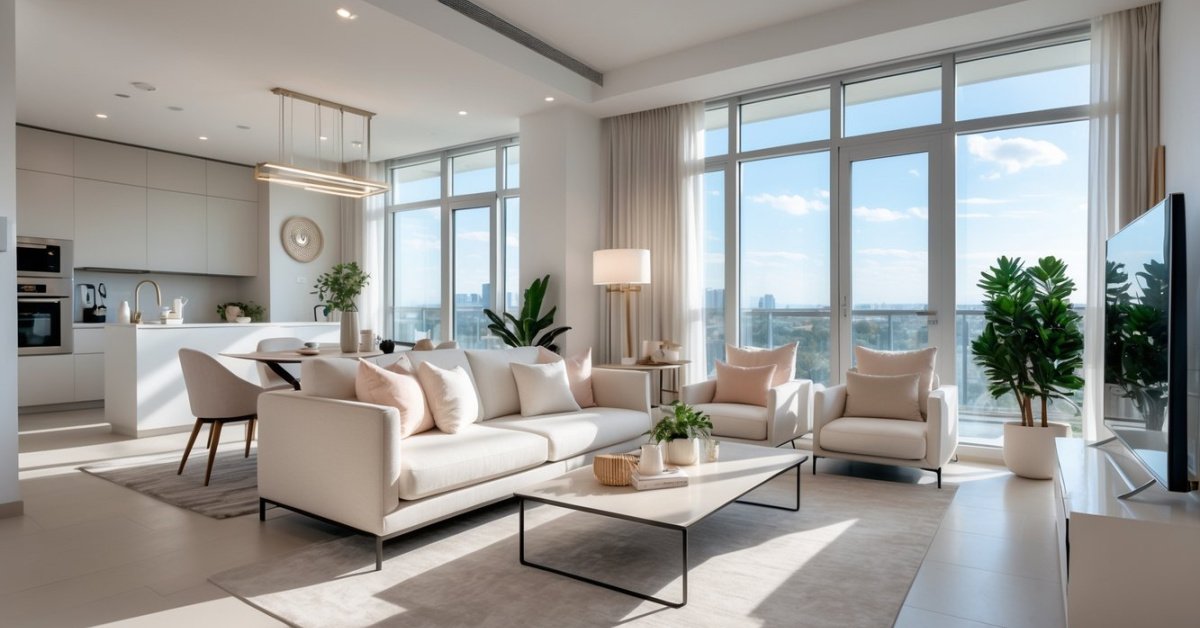
Key Takeaways
- Selecting the right rug size for an apartment living room is crucial to creating balance, comfort, and a cohesive design.
- Common sizes like 5×8, 8×10, and 9×12 rugs work best for small, medium, and larger living rooms, respectively, depending on room dimensions and furniture layout.
- Placement strategies such as “all furniture on the rug,” “front legs on the rug,” or “coffee table-centered” ensure the rug complements the space and layout effectively.
- Always leave 12–18 inches of floor space around the rug to avoid overcrowding and maintain visual flow.
- Avoid choosing rugs that are too small, too large, or out of proportion with the room and furniture to prevent disrupting the design.
- Consider rug materials and styles, such as low-pile for durability or plush for comfort, to align with the room’s function and aesthetic.
Finding the perfect rug for an apartment living room can feel like solving a puzzle. Too small, and it looks out of place; too big, and it overwhelms the space. I’ve been there, staring at endless options and wondering how to make my living room feel cozy without cramping its vibe.
Factors To Consider When Choosing Rug Sizes
Selecting the right rug size transforms an apartment living room into a more cohesive and inviting space. I’ve seen how the wrong size can create imbalance, so understanding these factors is crucial.
Room Dimensions
Measuring the living room gives a clear idea of what rug sizes might work. For smaller spaces, like 150 to 200 square feet, opt for rugs that create distinct zones without overwhelming the room—5×8 ft rugs are common. Larger living rooms, above 250 square feet, accommodate rugs in the 8×10 ft range, which provide better coverage while maintaining balance. Always leave 6–18 inches of space between the rug and the walls to avoid making the room feel cramped.
Furniture Layout
The placement of furniture impacts rug size selection. In symmetrical layouts with sofas and chairs grouped together, a larger rug, like 8×10 feet, ties the arrangement together by fitting under all furniture legs. In floating layouts, where furniture doesn’t line up against walls, smaller rugs, such as 5×7 feet, define seating areas by fitting only the front legs of the furniture on the rug. Always match the layout to the rug’s dimensions for a polished look.
Purpose And Style
The rug’s role and style should match your design goals. To add warmth and comfort, go for plush materials like wool or a shag style. For busy areas, consider low-pile rugs that resist wear and tear. Neutral tones or rugs with subtle patterns suit minimalist styles, while bold geometric or colorful prints define eclectic or modern themes. Use the rug’s design to complement existing furniture and enhance the room’s ambiance.
Common Rug Sizes For Apartment Living Rooms
Finding the perfect rug size is essential for creating a balanced apartment living room. As someone who’s designed countless small spaces, I know the right rug can tie a room together while maximizing space. Below are the most common rug sizes and how they can work for different layouts.
5×8 Rugs
A 5×8 rug works well in compact apartments or studio spaces. It’s ideal for anchoring a small seating area, such as a loveseat and two accent chairs. For example, placing the front legs of the furniture on the rug creates a cohesive look without overwhelming a tiny room. This size also highlights coffee tables comfortably while leaving enough flooring visible.
8×10 Rugs
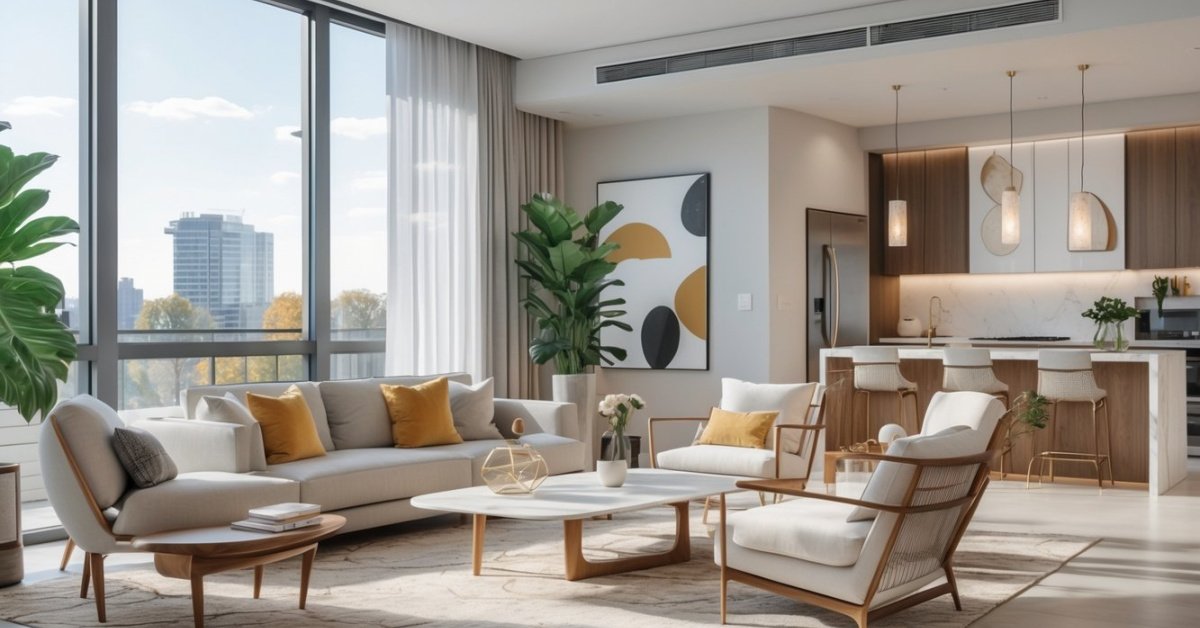
An 8×10 rug suits medium-sized living rooms commonly found in urban apartments. It can extend under the front legs of a sofa and adjacent seating, defining the conversation area. If the layout includes a sectional sofa, this size ensures the rug grounds the arrangement while providing ample walking space around it. This size also pairs well with open floor plans, subtly dividing living and dining zones.
9×12 Rugs
A 9×12 rug complements larger living rooms in upscale apartments. This size fits comfortably under all seating furniture, including full-size sofas, armchairs, and coffee tables. For example, it’s perfect for creating a luxurious, fully grounded look in rooms with more floor area. Using a larger rug like this helps establish proportion and makes the design feel intentional.
Rug Placement Tips For Apartment Living Rooms
Rug placement can make or break the flow of an apartment living room. A well-placed rug ties the space together, balances the layout, and enhances functionality without overcrowding. Here are my go-to placement strategies for creating a polished look.
All Furniture On The Rug
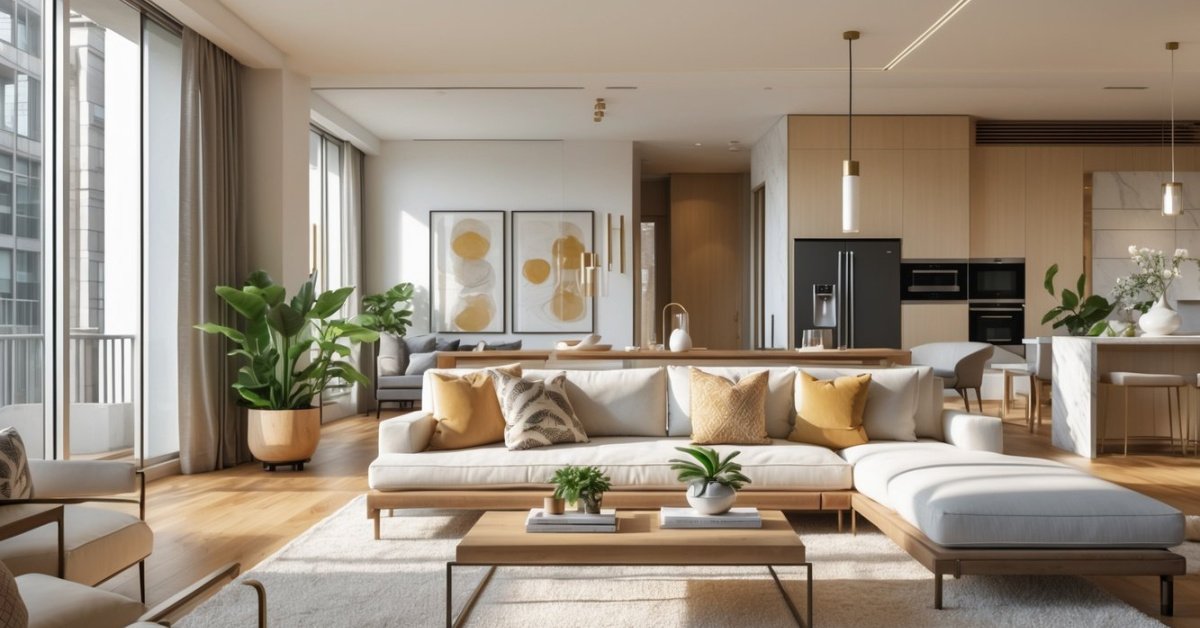
Placing all furniture on the rug works best in larger apartment living rooms. This layout creates a cohesive, grounded feel by unifying the seating area. Use a rug large enough, like an 8×10 or 9×12, to fit every piece fully, including sofas, chairs, and side tables. This approach gives the room a balanced, luxurious look but requires enough space to avoid cramping the edges.
Front Legs On The Rug
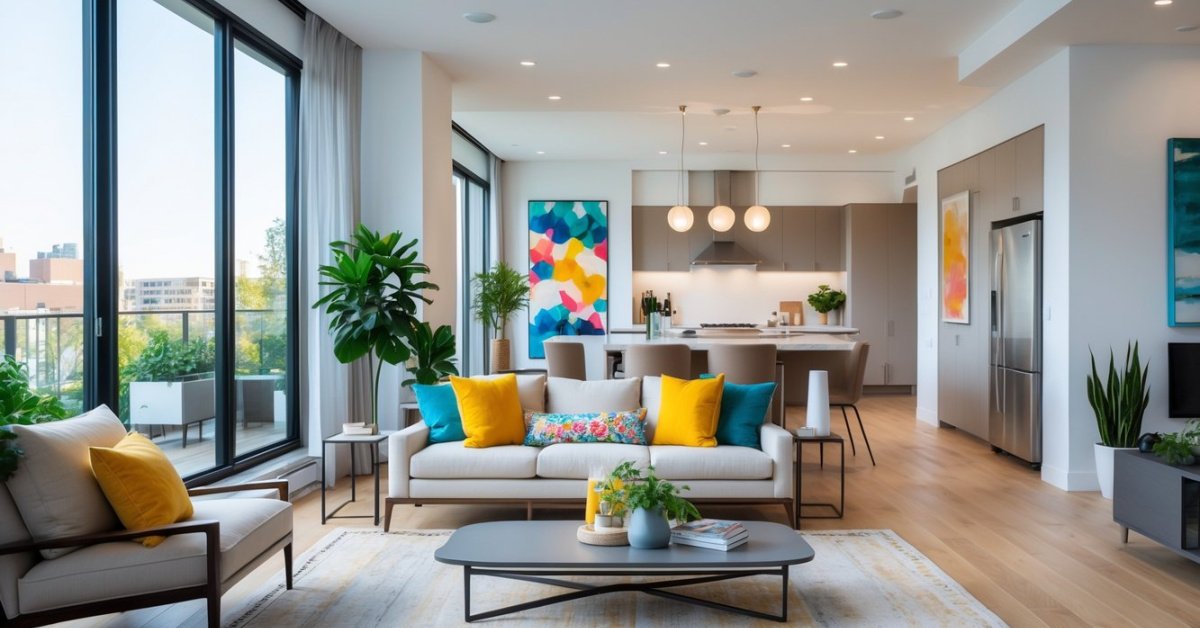
Keeping only the front legs of furniture on the rug is ideal for medium-sized spaces or where you want to save on rug size. Anchor the sofa and chairs by placing their front legs on the rug’s border while leaving the back legs off. I recommend a 5×8 or 8×10 rug, depending on the room’s size. This trick visually connects the furniture without overwhelming an open layout.
Coffee Table-Centered Rug
For compact spaces, centering the rug under the coffee table is an excellent choice. Selecting a 4×6 or 5×8 rug provides just enough coverage to define the seating area while keeping the room open. Make sure the rug extends slightly beyond the coffee table so it feels proportional. This placement is perfect if floor space is at a premium.
Mistakes To Avoid When Selecting Rug Sizes
Over the years, I’ve noticed the same rug mistakes over and over while fixing up apartments and smaller spaces. Picking the wrong size can throw off a room’s balance, making it feel cramped or incomplete. Here’s what to look out for:
Choosing A Rug That’s Too Small
A rug that’s too small for the seating area shrinks the space visually and makes furniture feel disconnected. I always recommend rugs that accommodate at least the front legs of your seating furniture—like sofas or armchairs—so everything ties together. For example, in a living room with a small sectional, a 5×8 rug might leave too much floor exposed. Instead, an 8×10 rug might better ground the space and unify the layout.
Overcrowding The Space
While larger rugs often add coziness, going too big can smother a smaller apartment living room. A rug that stretches wall-to-wall doesn’t leave any breathing room, making the area feel overwhelmed. I always leave 12 to 18 inches of floor space as a border around the sides for open flow. For example, a 9×12 rug might seem luxurious but can crowd furniture in compact areas, so I’d downsize to an 8×10 to maintain proportion.
Ignoring Proportions
Using a rug that’s out of scale with the room or furniture can quickly disrupt the vibe. A rug that’s too large can drown out smaller furniture, while an overly small rug feels like an afterthought. For example, if a living room has a large sectional and coffee table, I’d avoid anything under 8×10 since smaller sizes won’t extend enough or anchor the setup properly. Always aim to match the rug to the dimensions and the furniture layout for balance.
Conclusion
Finding the perfect rug size for an apartment living room can feel like a puzzle, but it’s so rewarding when everything comes together. The right rug doesn’t just tie your space together—it transforms it into a cozy, stylish retreat that feels just right.
By focusing on proportions, placement, and your room’s unique vibe, you can create a layout that’s both functional and visually appealing. Whether you’re working with a compact area or a more spacious setup, there’s a rug out there that’s perfect for your needs.
Trust your instincts, take your time, and don’t be afraid to experiment. A well-chosen rug can completely elevate your space and make your living room feel like home.