Key Takeaways
- Strategic furniture arrangement can make an apartment feel larger and more functional without sacrificing comfort or style.
- Understanding your apartment’s layout and measuring the space is essential for creating a practical furniture arrangement.
- Multifunctional furniture, such as sofa beds and foldable tables, is ideal for maximizing small spaces efficiently.
- Clear pathways and zoning by activity, like separating sleeping and dining areas, enhance functionality and flow.
- Vertical storage solutions, including shelves and tall cabinets, help free up floor space while adding storage.
- Smart design tips, like using mirrors and embracing minimalism, create the illusion of a larger, more open space.
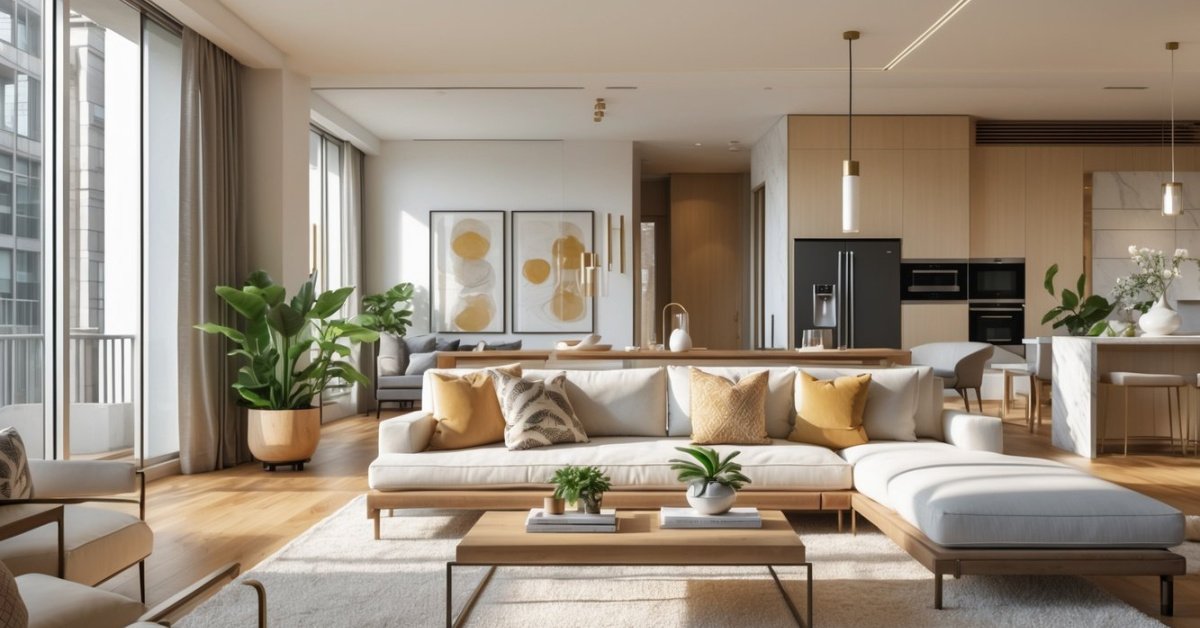
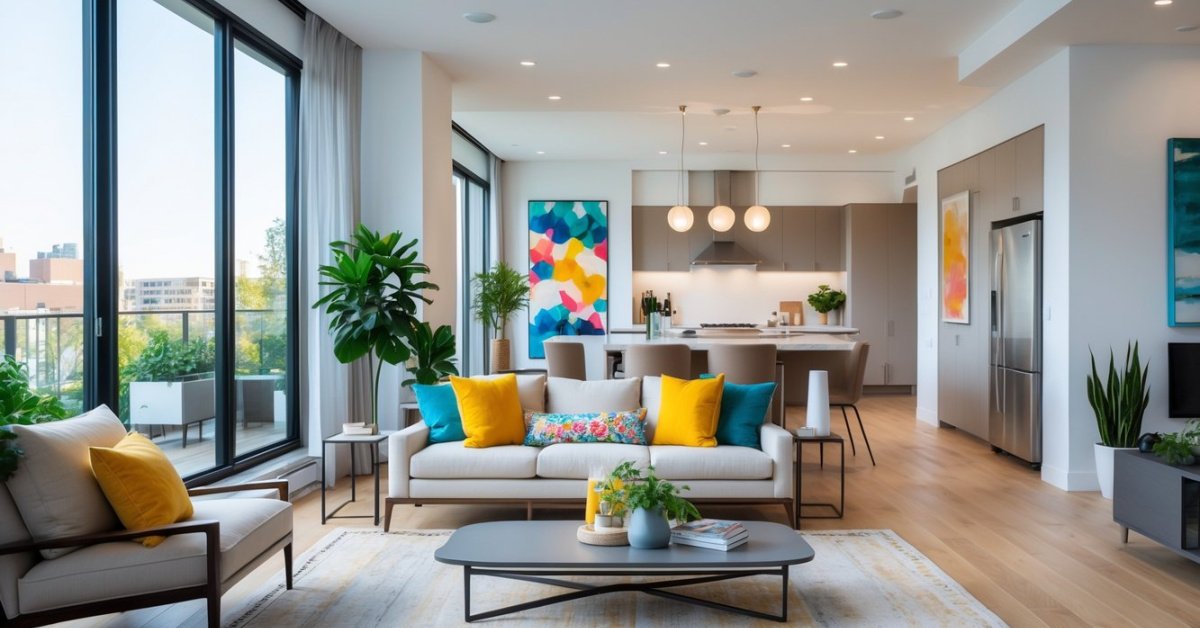
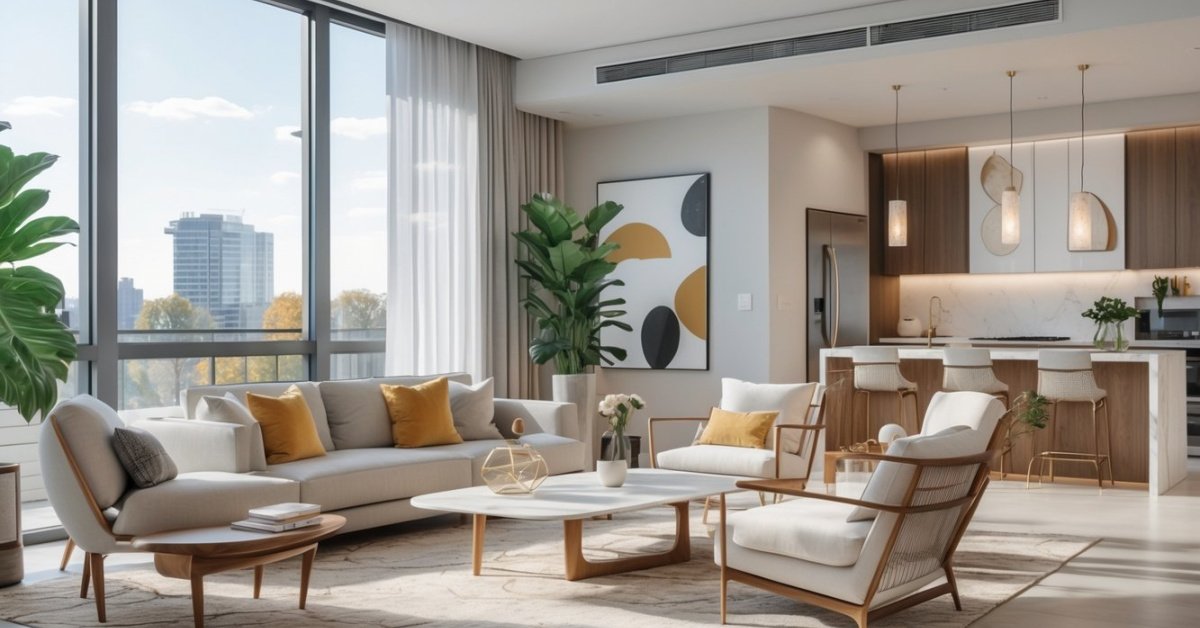
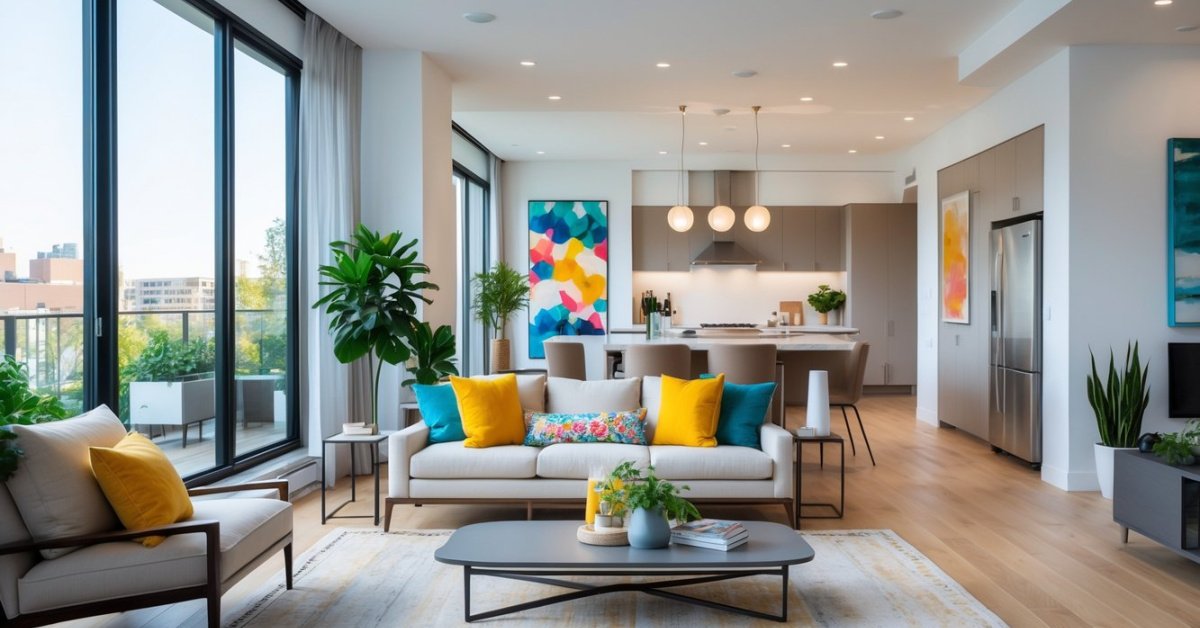
Living in an apartment often means getting creative with the space you have. I know how challenging it can be to make everything fit without feeling cramped or cluttered. The good news? A little strategic furniture arrangement can go a long way in making your apartment feel bigger and more functional.
Whether you’re working with a tiny studio or a cozy one-bedroom, the way you position your furniture can completely transform the vibe of your space. It’s all about finding that perfect balance between style and practicality. Trust me, with a few smart tricks, you’ll be amazed at how much room you can create without sacrificing comfort or personality.
Understanding Your Space
Maximizing apartment space begins with understanding its layout. Every square foot matters, and by evaluating key aspects, we can create a functional and inviting setup.
Measuring Your Apartment
I always start by measuring the entire apartment, including walls, corners, and alcoves. Precise dimensions ensure furniture fits without overcrowding. Use a tape measure or laser measure for accuracy. Note unique features like built-in shelving, angled walls, or windows.
I recommend sketching a basic floor plan, labeling all rooms, doors, and outlets. This planning tool simplifies furniture placement and highlights potential storage spots.
Identifying High-Traffic Areas
Recognizing high-traffic areas prevents clutter and improves flow. Trace the daily paths—like from the bedroom to the kitchen or the entryway to the living room. In small spaces, pathways may overlap, so clear zones are key.
For example, keep walkways at least 3 feet wide and avoid placing larger pieces near doorways or in hallways. Whether working with a studio or one-bedroom unit, function always takes priority when arranging these zones.
Choosing the Right Furniture
When working with limited space, the right furniture transforms an apartment from cramped to functional. I always prioritize versatility and size when selecting furniture for small areas.
Multifunctional Furniture Ideas
Using multifunctional furniture makes every square foot count. I prefer items like sofa beds, ottomans with storage, or foldable dining tables. For example, a sectional sofa that includes hidden compartments is perfect for storing extra blankets or seasonal decorations. Murphy beds are another favorite, as they tuck away neatly during the day, freeing up more floor space. Look for coffee tables with shelves or drawers to keep essentials organized and out of sight. Selecting pieces that serve more than one purpose reduces clutter and maximizes floor area.
Opting for Compact and Lightweight Pieces
Compact and lightweight furniture helps maintain an airy and open feel in smaller apartments. I choose slimmer-profile couches, petite dining sets, and armless chairs to enhance comfort without overcrowding. Furniture with clean lines or mid-century designs works well for apartments because they take up less visual space. For easy reconfiguration, I recommend lightweight materials like aluminum, rattan, or modular plastic pieces. These make it simple to rearrange when entertaining guests or creating a fresh layout. Prioritizing smaller dimensions over bulky, oversized furniture ensures space remains functional and inviting.
Strategic Furniture Placement
Arranging furniture isn’t just about aesthetics—it’s about making every square foot count. Over the years, I’ve mastered space-saving layouts that turn apartments into both functional and stylish homes. Here’s how I approach maximizing space through thoughtful furniture placement.
Zoning for Functionality
Defining zones is key to creating a balanced living space. I separate areas based on activities, like sleeping, dining, working, or relaxing. In open layouts, I use furniture to naturally divide spaces. For example, I might position a sofa with its back to the “dining area” to distinguish it from the “living room.” Rugs or lighting fixtures also work well to visually establish zones.
For studio apartments, I often suggest foldable partitions or bookshelves to create privacy for sleep zones without needing permanent walls. Floating desks or wall-mounted tables can turn limited nooks into effective workstations while keeping the room flexible.
Creating Open Pathways
Clear pathways make even small apartments feel open and functional. I place larger furniture, like beds or sectional sofas, against walls to maintain flow. For coffee tables or dining areas, I leave at least 24 inches of space around the edges so movement isn’t obstructed.
When I design layouts, I avoid crowding entryways or common areas. I focus on decluttering high-traffic spaces by choosing compact, mobile pieces, like nesting tables or stackable chairs. Keeping pathways open doesn’t just improve ease of movement—it creates a more breathable, inviting atmosphere.
Maximizing Vertical Space
When working with small apartments, vertical space is often underutilized. I’ve learned that going upward with storage and design opens up the room and leaves more floor area available for essential furniture and movement.
Utilizing Shelves and Wall-Mounted Units
Shelves and wall-mounted units use unused wall areas to add valuable storage. I usually recommend floating shelves for books, décor, or kitchenware since they keep floors clear and add visual height. Wall-mounted units, like fold-out desks or media consoles, save space while maintaining functionality. In bedrooms, I install wall-mounted nightstands or small shelves to replace bulky tables. Wherever possible, I try to mount hooks or organizers, such as for hanging coats, keys, or tools, to avoid cluttering countertops or entry tables.
Choosing Tall and Slim Storage Options
Tall, slim storage options like bookcases, armoires, and cabinets maximize storage without overwhelming the space. I lean toward units with a small footprint but multiple shelves or compartments. For living rooms or home offices, I suggest tall cabinets that fit into corners, which are otherwise often wasted. In bedrooms, vertical wardrobes with built-in drawers help reduce the need for additional furniture. To make these pieces feel less imposing, I guide clients toward open shelving, glass-front cabinets, or lighter color finishes that seamlessly blend with the walls.
Enhancing With Smart Design Tips
As a designer who loves transforming spaces, I’ve always found small apartments to be some of the most rewarding projects. It’s incredible what a few thoughtful adjustments can do to open up a truly functional and inviting living area.
Using Mirrors to Create Illusions of Space
Mirrors are one of my go-to tools for making apartments feel larger. By strategically placing mirrors opposite windows, I reflect natural light and brighten the entire room. A large mirror leaning against a wall can also add depth, creating the illusion of a bigger floor area. For narrow hallways or compact living rooms, mirrored furniture, like coffee tables or cabinets, combines functionality with the added benefit of reflecting light.
I always recommend grouping smaller mirrors into wall galleries for a stylish and creative touch in tight spaces. These not only look modern but help expand the visual dimensions of the room without taking up extra space.
Embracing Minimalism for a Cleaner Look
Minimalism is key when you’re working with limited square footage. I encourage simplifying furniture choices and focusing on clean lines and neutral tones. A minimalist approach avoids visual clutter, making the space feel open and airy. For example, opting for a single sofa and ditching oversized sectionals creates more floor space while still offering comfort.
I also advise keeping décor simple—choose a few statement pieces rather than scattering items across surfaces. Floating shelves can showcase personal touches without feeling overwhelming. In my experience flipping apartments, keeping designs minimal has made spaces feel well-curated and more marketable.
Conclusion
Maximizing apartment space is all about creativity and intentional choices. With the right furniture, smart placement, and a focus on functionality, any small space can feel open and inviting. It’s amazing how simple adjustments like using vertical storage or incorporating multifunctional pieces can make such a big difference.
Your apartment should reflect your style while staying practical for everyday living. By prioritizing comfort, flow, and a clutter-free design, you can create a home that feels spacious and perfectly suited to your needs. Small spaces truly have big potential!