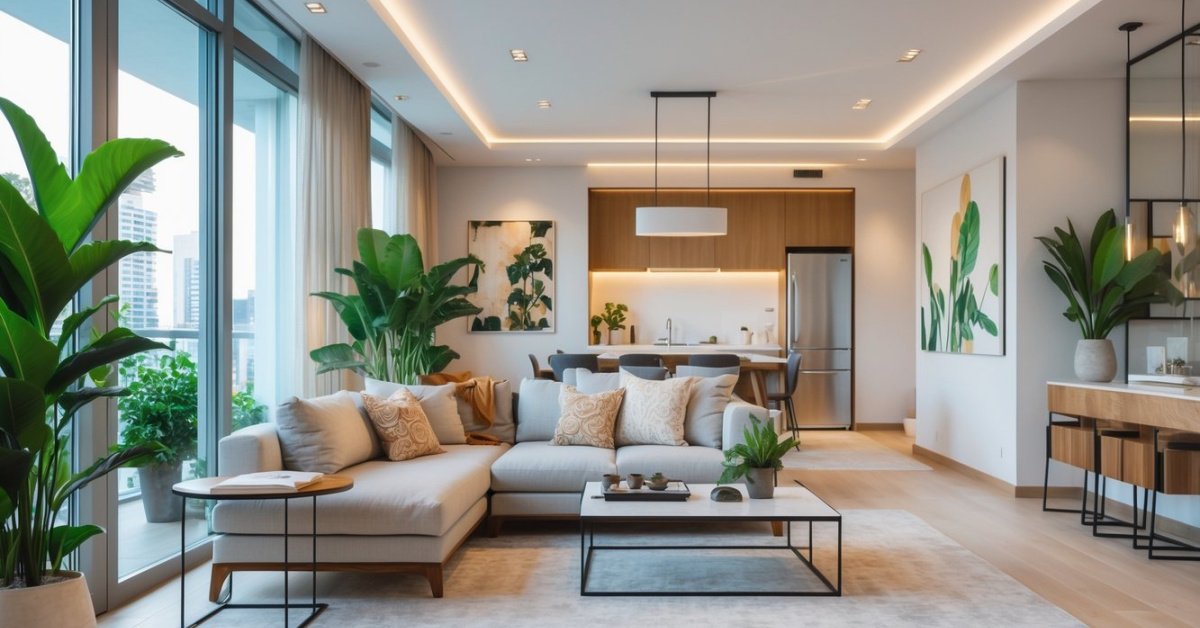
I’ve always loved the idea of transforming a plain wall into a work of art, but living in an apartment can make that tricky. Landlords aren’t exactly fans of permanent changes, and repainting before moving out is a hassle I’d rather avoid. That’s where removable wall murals come in—a perfect way to add personality without the long-term commitment.
Creating a removable mural is easier than you might think, and it’s a fun way to unleash your creativity. Whether you’re looking to brighten up your living room or add a personal touch to your bedroom, this project lets you customize your space while keeping things renter-friendly.
Benefits Of A Removable Apartment Wall Mural
A removable wall mural offers a stylish, flexible way to revamp a rental space. It’s perfect for personalizing apartments where permanent changes aren’t possible. Unlike paint or wallpaper, it doesn’t damage walls when removed, making it an ideal option for renters.
Customization allows you to reflect your personality and style through designs, patterns, or themes. Whether it’s a bold geometric design for a living room or a serene nature-inspired mural for a bedroom, there are endless possibilities.
Simple installation makes these murals accessible for anyone, even if you’re not an experienced DIYer. Many come as peel-and-stick panels that are easy to align, saving time and effort. I’ve worked with these on multiple projects, and the results never disappoint.
Reusability ensures you can redecorate without waste. If you move or decide to refresh the design, you can carefully remove and reuse the mural in another area. This adds value, especially when flipping properties or renting short-term spaces.
Cost-effectiveness beats other decorating options like paint or wallpaper. A mural transforms a space on a smaller budget while avoiding messy processes or the need for touch-ups before move-out. Clients love how affordable this option is.
Choosing The Right Materials
Selecting the right materials for a removable apartment mural is key to achieving a polished look without damaging the walls. As someone who’s spent years fixing up rental spaces, I know how important it is to use materials that are both practical and versatile.
Peel-And-Stick Wallpaper
Peel-and-stick wallpaper is my go-to for creating removable murals. It’s easy to apply, reposition, and remove without leaving residue. These wallpapers come in various designs, from bold florals to minimalist patterns, making it simple to match any décor style. For larger murals, I recommend overlapping panels slightly to ensure seamless coverage. Look for vinyl-based options, as they’re durable and more resistant to humidity.
Temporary Adhesive Vinyl
Temporary adhesive vinyl is another great option for renters. It’s perfect for creating custom shapes, patterns, or even intricate designs. With a cutting machine like a Cricut, I can easily craft unique elements that fit any space, whether it’s a modern geometric design or a whimsical theme for a kid’s room. Choose high-quality vinyl designed for walls to prevent peeling or curling over time. Test a small piece in an inconspicuous area to ensure it adheres correctly.
Paint Options For Temporary Murals
For those who love painting, removable paint solutions are worth considering. Products like liquid chalk or specialty wall-safe paints allow you to create hand-painted murals that can later be wiped clean with water. While working on a painted mural, I use low-tack painter’s tape to outline shapes and keep edges sharp. Opt for light, breathable coats to prevent oversaturation that could affect removability. This approach offers a personal touch and is great for showcasing artistic flair.
Designing Your Wall Mural
Creating a removable wall mural starts with a clear vision. The design process is crucial to achieving a functional yet stunning result that complements your apartment’s aesthetic. Here’s how I approach it:
Planning the Design
I start by assessing the space. Measure the wall dimensions and consider existing furniture placement to avoid overcrowding the area. Sketch rough ideas or use online design tools to visualize different concepts. Popular designs include geometric shapes, abstract art, and nature-inspired themes like floral patterns or tree silhouettes. I also think about the mural’s purpose—whether to create a focal point, add depth, or bring a sense of calm.
Focus on scalability. If you’re decorating a smaller apartment, opt for minimalistic patterns. For larger walls, you can go bolder with more intricate designs.
Selecting the Color Scheme
Choosing the right colors is key. I like picking colors that complement the room’s decor, including furniture and accents. For a neutral look, I lean toward soft grays, whites, or beiges. If the goal is to energize the space, vibrant shades like teal or mustard can work beautifully.
Consider the room’s lighting. Natural light enhances lighter tones, while darker rooms might benefit from brighter or lighter hues to avoid a cramped feel.
Tools and Equipment Needed
For peel-and-stick murals, I use a utility knife, measuring tape, and a squeegee for bubble-free application. Adhesive vinyl designs may require a cutting machine like a Cricut for precision. If I’m working with removable paint, brushes, stencil designs, painter’s tape, and liquid chalk are must-haves. I also keep a drop cloth and a level handy to maintain clean lines and avoid messes.
High-quality tools simplify the process and ensure professional-looking results, even when tackling a DIY mural.
Step-By-Step Guide To Creating The Mural
Transforming a plain wall with a removable mural is a renter-friendly way to make your space truly yours. Here’s how I approach creating one, step by step, based on my experience as a home contractor and designer.
Preparing The Wall Surface
Starting with a clean, smooth surface ensures the mural adheres properly. I always wipe down the wall with a damp cloth and mild detergent, removing dirt, dust, or grease. Paint imperfections, like chips or cracks, can interfere with the application, so I fix those using spackle and a putty knife, sanding down to create an even surface. For best results, the wall must be dry and free of any residue before proceeding.
Applying The Mural
Peel-and-stick panels work great for quick, seamless application. I measure and mark starting points with a pencil to ensure alignment, beginning from the top corner of the wall. I peel a small section of the backing, press the adhesive side to the wall, and smooth using a squeegee to remove air bubbles as I work downward. Any excess material is trimmed with a utility knife for a sharp edge.
If using temporary adhesive vinyl, I map out placements first by taping pieces onto the wall. After confirming the layout, I gradually remove backing and adhere each piece, pressing consistently to prevent wrinkles. For hand-painted murals, removable paint or liquid chalk works well. I use painter’s tape for clean edges and stencils for intricate designs, applying paint in thin layers to avoid drips.
Tips For Achieving A Clean Finish
Attention to detail always creates polished results. Start by ensuring all seams between panels are flush and aligned. When trimming edges, I use a ruler to guide the utility knife, especially around corners or trim. Step back frequently to check for areas needing adjustments, like bubbles or crooked lines. Finally, a gentle wipe with a dry cloth removes any smudges or fingerprints from the finished mural, leaving it ready to impress.
Removing And Reusing The Mural
Removing a removable wall mural is simple, and with proper care, it can be reused in a new space or for refreshing the same room. I’ve found this particularly useful when staging apartments or flipping properties since it allows designs to adapt as needed.
Safely Removing The Mural
Begin by peeling back one corner of the mural gently, keeping the adhesive layer intact. Pull the material back slowly at a consistent angle—around 45 degrees—to avoid tearing or stretching. For tough spots, use a plastic scraper to loosen edges without damaging the wall underneath. If adhesive residue remains, wipe the wall with a damp cloth and mild soap.
Avoid using harsh cleaners or abrasives since they could harm the wall’s finish. Following these steps ensures your mural stays intact and leaves the wall as pristine as it was before.
Storing For Future Use
For future use, clean the adhesive backing of the mural by removing dust or debris with a lint-free cloth, ensuring the stickiness remains intact. Afterward, lay the mural flat on its original backing paper or roll it with the adhesive side facing out. Store the mural in a cool, dry location away from sunlight to prevent warping or adhesive degradation.
If storing peel-and-stick panels, keep them organized by numbering or labeling their sections. This helps streamline reinstallation, especially when working with large designs. Reusing murals is an excellent way to add value while keeping your design options flexible.
Creative Ideas For Your Apartment Wall Mural
As someone who works with small spaces daily, I know how much a well-thought-out mural can transform an apartment. When creating a removable wall mural, you can explore endless creative ideas to make your space unique and inviting without permanent changes. Here are a few directions you can take:
- Bold Geometric Patterns
Geometric shapes can create a striking visual effect, especially in modern or minimalist apartments. Use complementary colors to match the furniture, or mix muted tones for a sophisticated look. For instance, a triangular pattern in shades of gray and white works beautifully in a neutral-toned living room.
- Nature-Inspired Themes
Nature elements, like botanical designs or mountain silhouettes, add a touch of serenity. Oversized leaf prints or a sunset gradient mural can instantly warm up a room. Temporary adhesive vinyl works great for intricate designs like detailed tree branches or florals.
- Cityscapes And Skylines
If urban aesthetics are appealing, create a mural showcasing your favorite cityscape. You could outline a skyline with black adhesive vinyl or opt for a hand-painted effect using removable paint. Perfect for home offices or living rooms, especially in urban apartments.
- Abstract Art
Abstract designs allow for incredible creativity. Blotchy watercolor patterns or splashes of bright colors can energize the room. Abstract murals work great in child-friendly spaces or creative studios where standard decor feels too rigid.
- Interactive Chalkboard Walls
Use removable chalkboard paint to create a functional mural that doubles as a message board. Ideal for kitchens or entryways, this idea allows constant redesign. Sketch out welcoming notes, grocery lists, or seasonal artwork as needed.
- Mirrored And Metallic Elements
Peel-and-stick metallic wallpaper or mirror vinyl can make small apartments feel larger by reflecting light. Metallic gold patterns or mirrored accents on a dark wall provide both depth and elegance.
- Typography And Custom Quotes
Display meaningful words or favorite quotes with vinyl lettering. Pair bold fonts with neutral paint colors, or mix script fonts with calming backdrops. It’s a simple way to personalize your bedroom or hallway without cluttering the space.
Even a small mural can have a significant impact in an apartment. By choosing concepts tailored to your lifestyle, there’s no need to sacrifice individuality for functionality. Every creative idea here aligns with a renter-friendly, removable approach and should add a fresh, stylish look to your apartment.
Conclusion
Creating a removable wall mural is such a fun and practical way to transform your apartment without worrying about permanent changes. It’s amazing how a simple project like this can bring so much personality and charm to a space while keeping things renter-friendly.
Whether you’re going bold with geometric patterns or adding a calming nature-inspired design, the possibilities are endless. Plus, the ease of installation and reusability make it a stress-free and budget-friendly option for anyone looking to refresh their home.
With a little creativity and the right tools, you can turn any plain wall into a stunning focal point. So why not give it a try and make your apartment truly feel like yours?