Key Takeaways
- Decluttering your apartment in one weekend is possible with proper planning and a room-by-room approach.
- Setting realistic goals, gathering supplies, and using sorting methods (keep, donate, trash) streamlines the process and prevents overwhelm.
- Efficient disposal and smart organization — such as donating, selling, recycling, and utilizing storage hacks — maximize usable space and help maintain order.
- Consistent habits like weekly resets, the “one in, one out” rule, and designating drop zones prevent clutter from returning.
- Regular seasonal assessments and displaying only meaningful or functional items keep your apartment fresh and inviting year-round.
Every time I walk into my apartment and see piles of stuff I don’t need, I feel a little overwhelmed. Clutter sneaks up on me, turning cozy corners into chaotic messes before I even realize it. I know I’m not alone—life gets busy and suddenly there’s just too much everywhere.
But I’ve learned that it’s possible to reclaim my space in just one weekend. With a little motivation and a simple plan, I can turn my apartment from cluttered to calm without dragging it out for weeks. If you’re ready to breathe easier and enjoy your home again, you’re in the right place.
Why Decluttering Matters
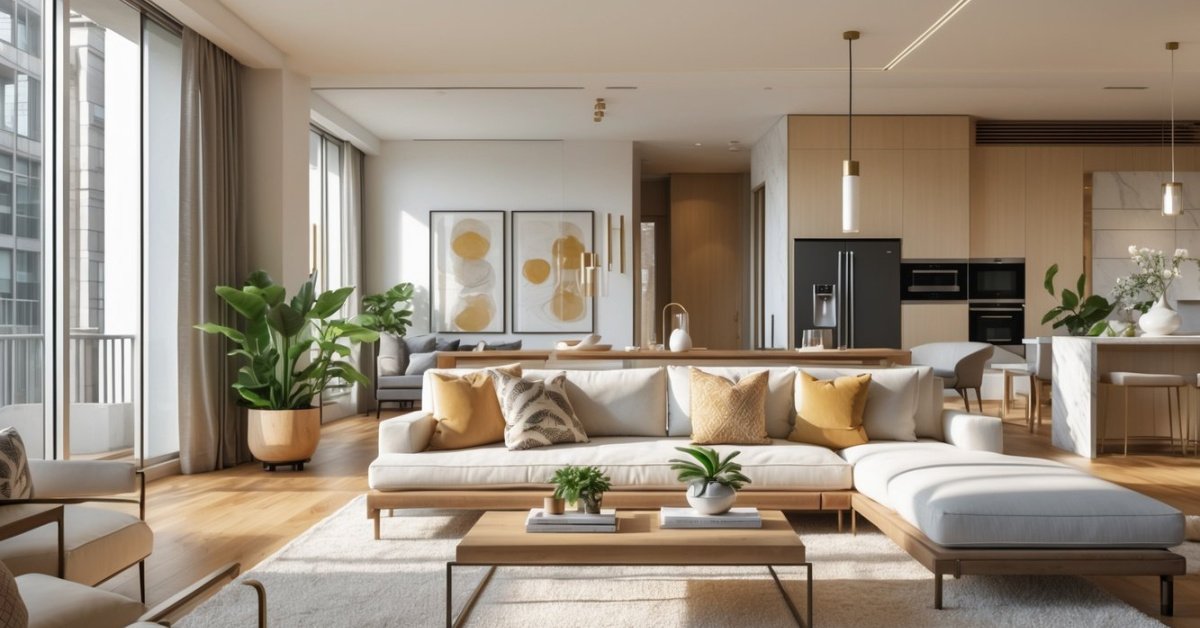
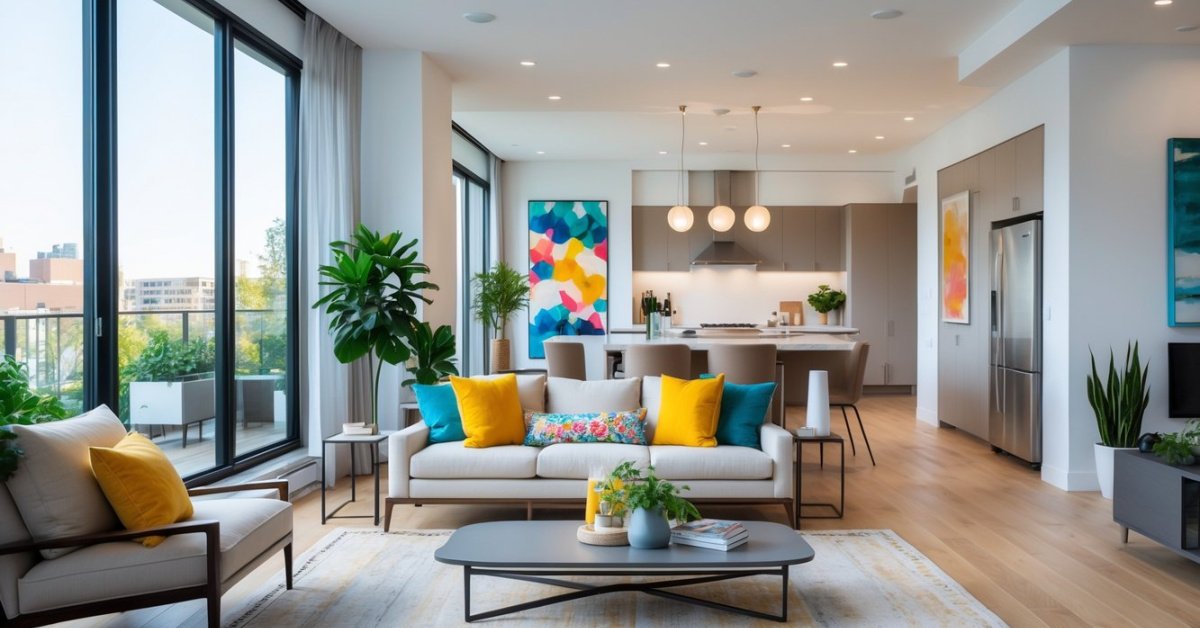
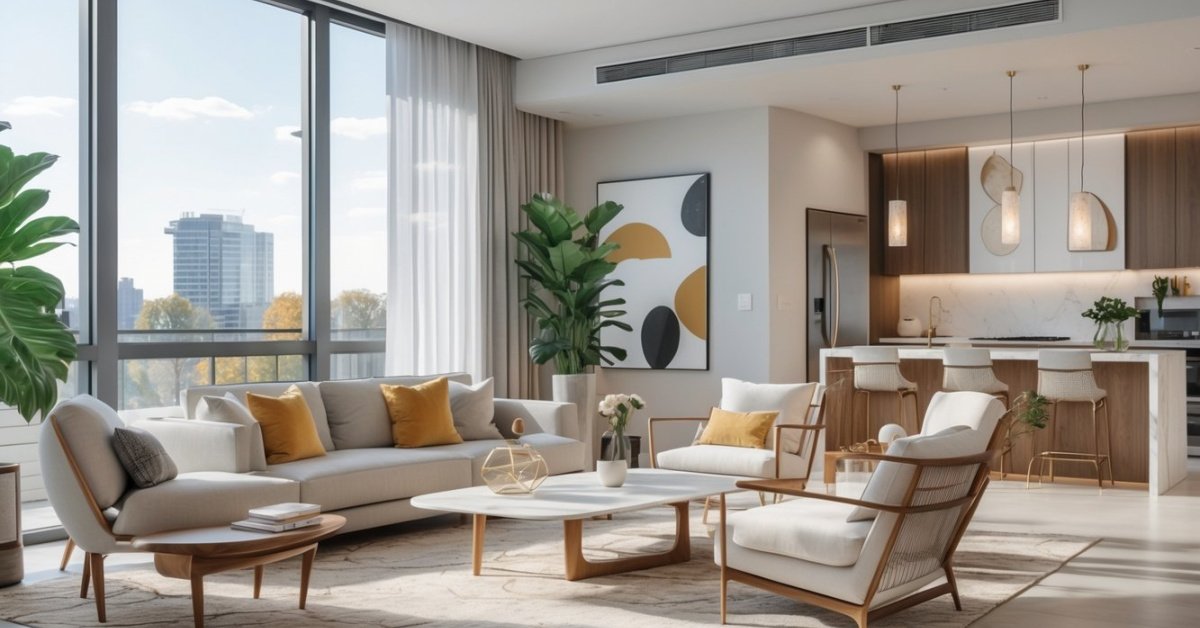
Decluttering a small apartment increases usable square footage and improves overall comfort. I see a clear shift in atmosphere and energy in every apartment I update after removing excess belongings—clients report feeling calmer and more productive.
Organizing personal space lets design features like natural light, architectural details, and statement furniture stand out. Every home I’ve renovated feels more customized and spacious once clutter moves out.
Reducing visual distractions simplifies maintenance and streamlines cleaning routines. In my renovation projects, I find that apartments with minimal clutter need less time and effort to keep tidy.
Maximizing storage lets even the smallest floorplans function like larger homes. I create hidden storage and multi-use zones in many of my projects, benefitting clients who want both style and organization.
Listing property shows better and attracts buyers or renters faster when each room looks intentional and open. When I stage a decluttered apartment for a showing, prospective residents focus on potential, not mess.
Planning Your Decluttering Weekend
Planning a decluttering weekend lets me transform an overwhelming apartment into a streamlined space. I focus first on creating a plan that matches the property’s needs and the available time.
Setting Realistic Goals
Setting realistic goals keeps each stage of decluttering manageable. I break large tasks, like clearing the living room, into smaller ones—sorting books, folding laundry, and organizing electronics, for example. I list every task for each zone, then assign blocks of time to each. For a studio apartment, I allot 1-2 hours per zone—living area, kitchen, bathroom, entryway. This approach lets me track progress without getting discouraged by the overall project. I keep my goals visible—a checklist on the fridge helps—and revise as I work if I complete tasks faster than planned.
Gathering Supplies and Tools
Gathering supplies and tools before starting lets me move quickly from one step to the next. I grab large trash bags, sturdy boxes for donations, cleaning sprays, microfiber cloths, and a label maker. For projects involving minor repairs or touch-ups, I have basic tools like a screwdriver, nails, and patching compound ready. I choose clear bins if I plan to reorganize closets, since they make contents visible and simplify future maintenance. Having everything on hand means I don’t lose momentum or create extra mess as I work through each space.
Step-By-Step Decluttering Guide
I use this step-by-step guide on most flip projects and apartment redesigns to clear out spaces efficiently. Streamlining the process by working room by room and making decisive choices lets me see transformative results before the weekend’s over.
Decluttering by Room
I always tackle one zone at a time for maximum efficiency in apartments. Kitchens get priority because excess gadgets and older food items often take up precious counter or cabinet space. Living areas come next: I sort through magazines, mail, décor, and furniture, removing anything broken or unused. Bedrooms need a focus on closets—donate or toss clothes, shoes, and bedding that haven’t been used in the last year. Bathrooms follow, where I clear out half-used products, expired cosmetics, and duplicates. Entryways and storage nooks wrap up the list, and I often find forgotten items here that can be removed or relocated. This approach keeps the task focused and progress visible with each finished space.
Sorting and Decision-Making Tips
I recommend using three bins or bags for sorting: keep, donate/sell, and trash. For each item, I ask myself: “Have I used this in the last year?” and “Does this item support how I want the apartment to function or look?” Items that don’t align with my goals for the space, I move quickly into the donate or discard piles. When clients have sentimental pieces, I suggest dedicating one small bin for memorabilia and letting go of anything else. Staying strict with these rules helps me create an environment that feels refreshed and open, letting the apartment’s best features stand out.
Disposing and Organizing Efficiently
Disposing and organizing efficiently makes a big impact on any apartment transformation. Once I’ve cleared each room, it’s time to move things out fast and put what stays in its best spot.
Donating, Selling, and Recycling Items
Donating, selling, and recycling items speeds up decluttering. I group unused but good-condition things—like books, clothes, dishes, and small appliances—then I check local donation centers or shelters for drop-offs. For higher-value items, I snap clear photos and list them on apps like Facebook Marketplace or OfferUp, and set pickup deadlines to stay on schedule. For electronics and batteries, I use municipal recycling sites listed on Earth911.com to avoid improper disposal. Sorting these piles room by room reduces the chance of anything piling up again.
Simple Organization Hacks
Simple organization hacks keep apartments functional after a declutter. I install wall hooks by the front door or bathroom to use vertical space, and choose under-bed boxes for seasonal clothing storage. I add clear bins to kitchen shelves for snacks or dry goods so I see what’s on hand, and I use drawer dividers to keep utensils and small tools sorted by type. I label storage containers and baskets in closets and pantries, which helps find things quickly. For open shelving or display nooks, I recommend rotating décor and keeping surfaces mostly clear, letting my best pieces stand out. These tricks work in every apartment I’ve flipped, making even the smallest spaces feel tidy and fresh.
Maintaining a Clutter-Free Apartment
I keep apartments clutter-free by building practical routines into my daily and weekly habits. Consistency helps spaces stay organized long after a big weekend clear-out.
- Setting Weekly Touch-Points:
I schedule 10-minute resets for each zone, like wiping counters or filing mail, so clutter doesn’t build up. After 15 years in property management, I’ve found this habit keeps apartments cleaner than monthly resets.
- Implementing Smart Storage:
I make use of vertical space with shelves, wall grids, and hooks. In my last client project, I installed floating shelves above door frames, creating invisible home office storage. Hidden bins under beds and dual-purpose furniture—like ottomans with lift tops—work best for maximizing small-footprint apartments.
- Designating Drop Zones:
I assign a tray or basket near every entrance for keys, bags, and mail. When I flip apartments, I see that these drop zones keep surfaces tidy in even the busiest households.
- Practicing the “One In, One Out” Rule:
I recommend removing an old item whenever you bring in something new. This habit helps keep closets, pantries, and bookcases under control, especially for city dwellers with limited square footage.
- Seasonal Decluttering:
I always revisit closets and storage every three to four months. For example, at the end of winter, I move bulky coats to off-site storage or vacuum-sealed bags, opening up more living space for spring and summer.
- Showcasing What Matters:
I only display items that add function or highlight my design personality, rotating art, textiles, or plants every season to refresh the look. When staging apartments for sale, I keep surfaces clear, which consistently photographs well and feels welcoming at showings.
| Maintenance Habit | Frequency | Example Product/Strategy |
|---|---|---|
| 10-Minute Weekly Reset | Weekly | Timer, zone schedule |
| High Vertical Storage | Ongoing | Wall shelves, over-door racks |
| Drop Zone By Entry | Daily | Entry tray, hooks, mail basket |
| “One In, One Out” Rule | Ongoing | Closet audits during shopping |
| Seasonal Storage Edit | Quarterly | Vacuum bags, labeled bins |
| Surface Rotation | Quarterly | Small decor swap-outs |
By using these design strategies and habits, I keep my own clients’ apartments looking their best without major effort or expense.
Conclusion
Taking a weekend to declutter my apartment always feels like hitting a reset button on my life. I love how a fresh and organized space transforms not just my home but my mindset too.
If you’re feeling overwhelmed by clutter trust me—you’re not alone. With a little planning and determination you can create a space that feels calm and truly yours. The difference is worth every bit of effort.