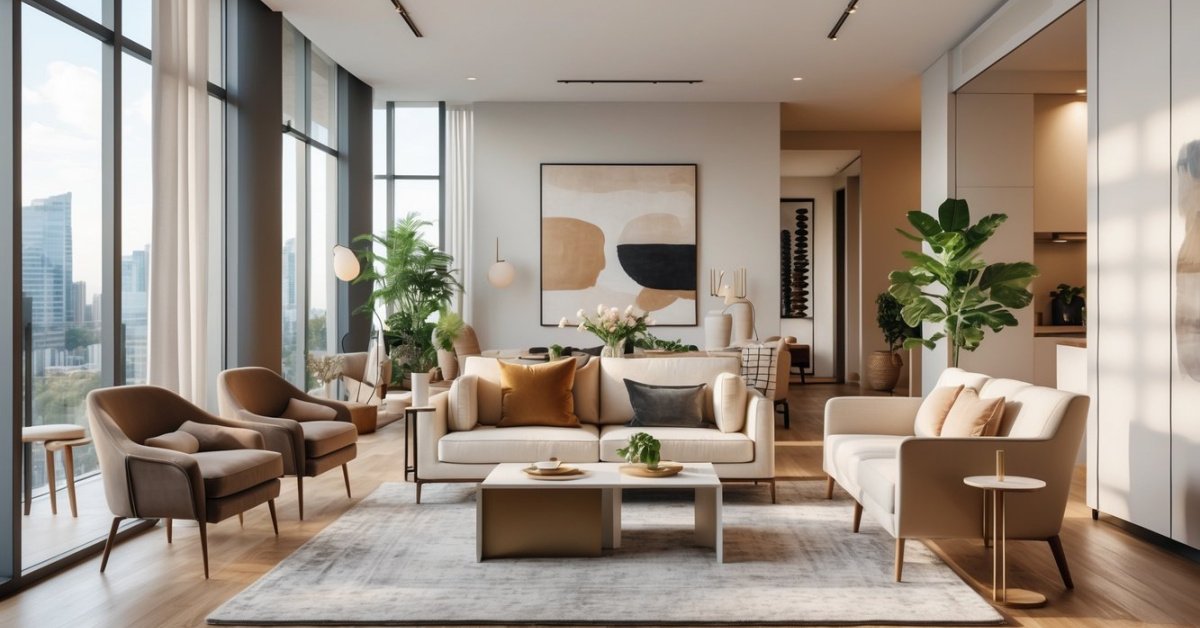
Key Takeaways
- Mixing design styles in a small apartment creates a personalized and visually dynamic space while maximizing limited square footage.
- Start with a cohesive theme by selecting a dominant style and layering complementary elements to maintain harmony.
- Use neutral colors as a base to create visual continuity and make it easier to integrate different styles.
- Incorporate statement pieces to anchor the design and add personality without overwhelming the space.
- Balance contrasting textures and patterns to create depth while ensuring the room feels open and cohesive.
- Avoid common mistakes like overloading the space or ignoring furniture proportions to maintain a functional and aesthetic design.
Living in a small apartment doesn’t mean you have to stick to just one design style. I’ve found that blending different aesthetics can make a space feel more personal and dynamic, even when square footage is limited. The trick is finding harmony between styles so your home feels cohesive rather than cluttered.
Whether you love the warmth of boho, the sleekness of modern, or the charm of vintage, it’s totally possible to mix them without overwhelming your space. With a little creativity and some thoughtful choices, you can create a home that’s uniquely yours while making the most of every inch.
Why Mix Design Styles in a Small Apartment
Combining design styles in a small apartment creates a space that feels personal and visually intriguing. Instead of being confined to one look, mixing styles lets you curate a home that tells your story. Apartments often present challenges like limited square footage and awkward layouts, but layering styles can turn those limitations into design opportunities.
Blended aesthetics also maximize functionality. For instance, pairing modern minimalism with vintage decor balances clean lines and character, ensuring the space feels both spacious and inviting. In my experience flipping properties, I’ve seen how integrating design elements like industrial shelving with a mid-century sofa creates dynamic, multi-purpose rooms even in compact apartments.
Mixing styles helps unify mismatched furniture you might already own. By tying diverse pieces together with consistent textures, colors, or finishes, the result feels cohesive without sacrificing variety. This approach resonates for renters, where replacing items may not be an option.
Key Principles of Mixing Design Styles
Blending design styles in a small apartment requires a thoughtful approach to ensure the space feels intentional, not chaotic. I’ve learned through flipping properties that the secret lies in maintaining balance, consistency, and practicality.
Finding a Cohesive Theme
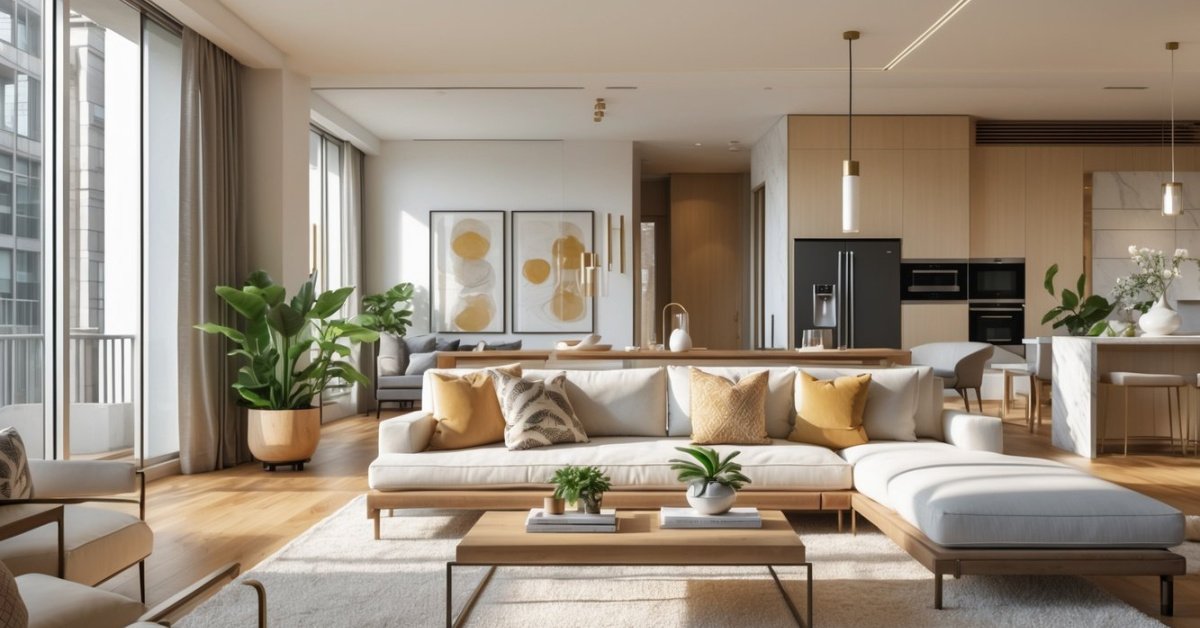
Creating a cohesive theme anchors the overall design. Start by identifying a dominant style, such as modern or vintage, and let it guide major elements like furniture and fixtures. From there, layer in accents from complementary styles, such as adding boho textiles to a modern base. To tie everything together, use a consistent color palette, such as neutrals with one or two brighter tones, across all elements.
Balancing Contrasting Elements
Contrasting textures, materials, and shapes bring depth to a small space. Pair sleek metal fixtures with warmer wood finishes, or offset bold, geometric patterns with soft, organic shapes. To keep the look harmonious, repeat certain finishes, such as matte black hardware or natural woven textures, throughout the space. I’ve noticed this approach minimizes visual clutter while highlighting the beauty of different design styles.
Prioritizing Functionality
Functionality should lead when mixing styles, especially in limited square footage. Choose multi-purpose furniture, like a vintage credenza that doubles as storage, to highlight character while addressing practical needs. Opt for space-saving layouts, ensuring clear walkways and accessible storage. I always remind my clients that no matter how eye-catching a piece is, it won’t work if it hampers everyday use.
Tips for Mixing Design Styles in Small Spaces
Blending design styles in small apartments is all about balance and creativity. Over the years, I’ve learned that intentional choices with color, furniture, and textures can transform even the tiniest space into a cohesive, stylish home.
Using Neutral Colors as a Base
A neutral color palette sets the stage for blending styles. I recommend shades like white, gray, beige, or soft taupe for walls and larger furniture. These hues create visual continuity and help the space feel open. For example, pair a light gray sofa with warm beige walls for an inviting yet versatile look. This clean foundation lets different design elements like vintage rugs or modern art pop without overwhelming the space.
Neutral colors also make it easier to integrate varied styles. If you’re combining boho and industrial, opt for cream-colored curtains or a sandy-toned area rug to tie everything together. Adding hints of texture, like a woven throw or textured cushion, keeps the base from feeling flat.
Incorporating Statement Pieces
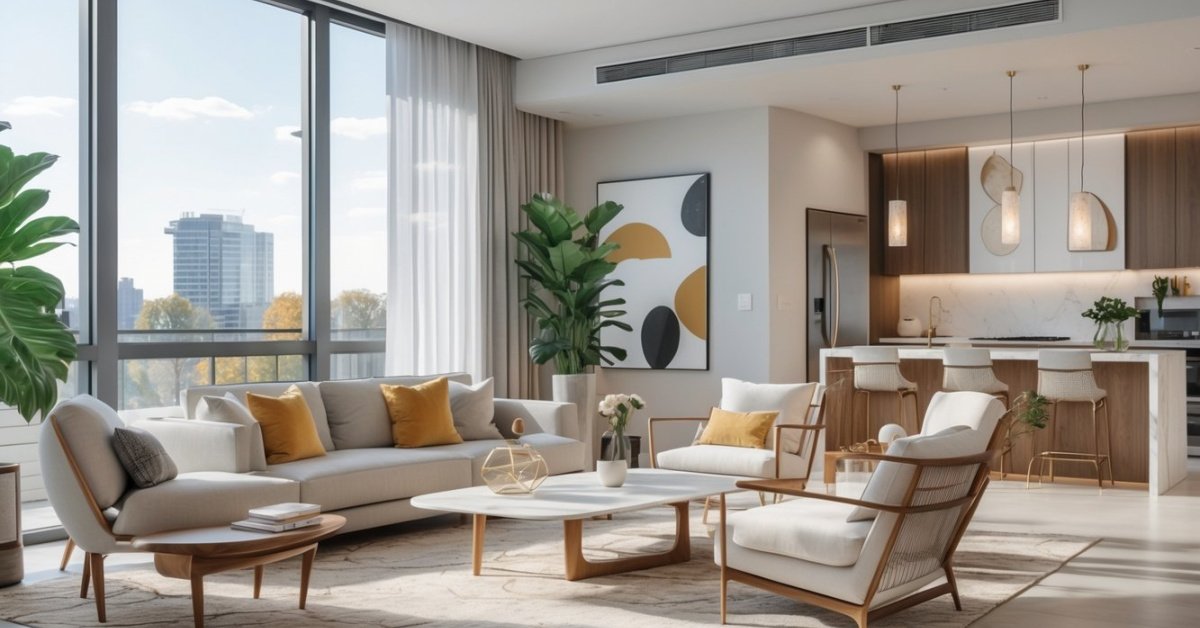
A bold statement piece can bring personality to your space and anchor the overall design. I like to choose one standout item—whether it’s a vintage velvet armchair, a modern abstract painting, or an intricate light fixture—that complements the dominant style. For example, in a modern-meets-vintage room, a sleek glass coffee table works beautifully with mid-century modern chairs.
Keep other furniture simple to let your statement piece shine. If you love a boho-style rattan chair, surround it with minimalistic furniture to avoid visual clutter. This approach keeps the space functional and prevents overcrowding.
Layering Textures and Patterns
Mixing textures and patterns creates depth and enhances the space. I frequently layer soft textiles, like a plush wool rug, with structured elements like leather or metal to combine comfort and sophistication. For example, pair a woven jute rug with a smooth, glossy side table to balance rustic and contemporary styles.
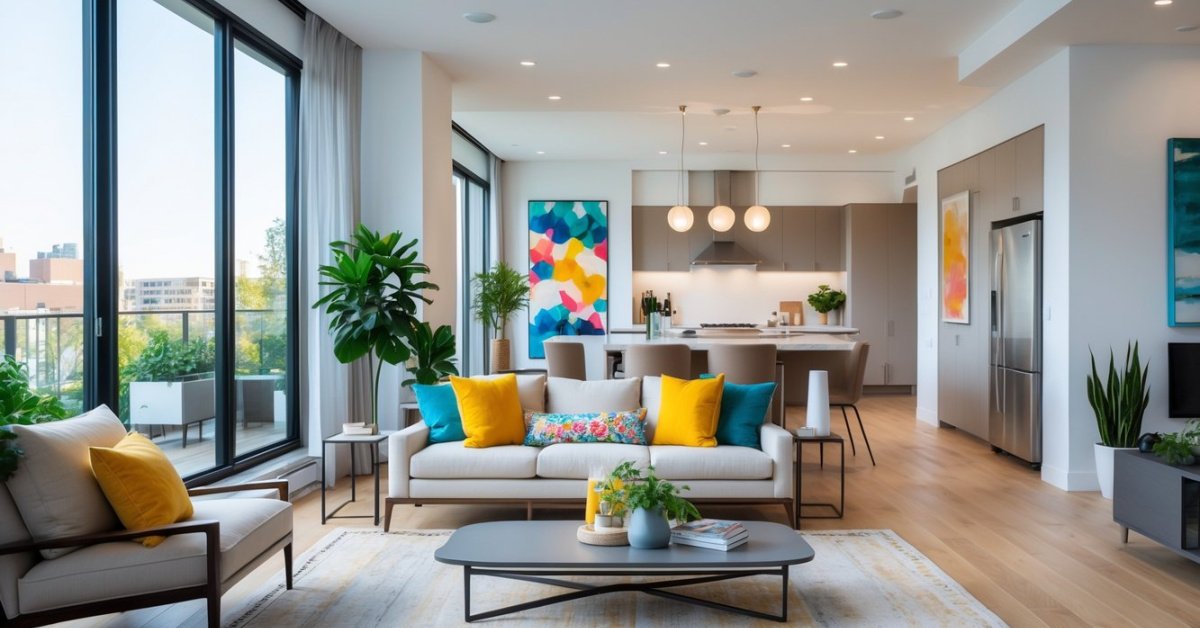
When you’re working with patterns, keep the scale in mind. Stick to one or two dominant patterns, such as a geometric throw paired with smaller, subtle motifs like striped cushions. Repeating colors across these elements ties them together. In smaller apartments, I use lightweight fabrics, like sheer curtains, to maintain an airy feel without sacrificing style.
Common Mistakes to Avoid
Mixing design styles in a small apartment can be tricky. Some mistakes can make the space feel cramped or disjointed, so avoiding them keeps the design cohesive and practical.
Overloading the Space
Adding too many elements overwhelms a small space. I’ve seen clients trying to combine every style they love—industrial, boho, mid-century—into one room, which creates visual chaos. Selecting a dominant style with a few complementary touches eliminates this issue. Keep furniture to a minimum. Pieces like oversized sectionals or bulky coffee tables take up valuable floor space and restrict movement. Focus on functional decor. Items like floating shelves or wall-mounted lighting add character without crowding the room.
Ignoring Proportions
Ignoring furniture scale can make a room feel mismatched and uncomfortable. I’ve walked into apartments where oversize armchairs or low-profile sofas dwarf the space or make ceilings appear lower. Ensure every piece fits the proportions of the room. Use sleek designs. For example, narrow-legged chairs or glass-top tables look lighter and airier. Position furniture strategically. In a studio apartment I recently renovated, I floated a loveseat and paired it with a round bistro table to ensure plenty of open space for walking.
Examples of Mixed Design Styles for Inspiration
- Modern Minimalism and Vintage Charm
I often mix clean lines and simplicity with vintage decor to add warmth and character in small apartments. For instance, pairing a sleek, low-profile sofa with a mid-century modern coffee table and a vintage area rug can create balance. Incorporating geometric patterns alongside antique accents—like ornate wooden frames—brings contrasting style elements together.
- Industrial and Bohemian Fusion
Combining industrial elements like exposed metal shelving or concrete surfaces with boho touches creates a stylish yet cozy aesthetic. In one of my projects, I added rattan chairs and layered woven textiles to soften the look of cool industrial lighting and raw brick walls. The mix delivers both edginess and comfort.
- Scandinavian Simplicity with Eclectic Accents
Scandi design’s neutral tones and light wood finishes provide a clean base to introduce eclectic, colorful artwork or vintage accessories. A small apartment I worked on featured simple white furniture complemented by a gallery wall of bold, mismatched frames and abstract prints. This approach feels fresh but inviting without overwhelming the space.
- Rustic and Contemporary Blend
Blending rustic textures like reclaimed wood with contemporary furniture introduces both character and sophistication. I once used a rustic wooden dining table with modern upholstered chairs and minimal pendant lighting in a small dining nook. The interplay of rough and refined creates a focal point while maintaining balance.
- Coastal Meets Traditional
Coastal blues, light woods, and white linens mix beautifully with traditional shapes and patterns, like a tufted armchair or Persian-inspired rug. In a rental property, I styled a breezy space using nautical decor alongside classic finishes, like a brass mirror above a whitewashed console table. This pairing keeps things both timeless and airy.
These style combinations make small apartments feel dynamic and unique while maximizing style within limited square footage. Effective blending ensures every design choice adds value and personality to the space.
Conclusion
Mixing design styles in a small apartment is all about embracing creativity and making thoughtful choices that reflect your personality. It’s not just about aesthetics—it’s about creating a space that feels like home while making the most of every inch. By blending styles with intention and focusing on balance, even the smallest apartment can feel both stylish and functional.
Remember, design is personal. Don’t be afraid to experiment, trust your instincts, and let your space tell your story. With the right approach, you can create a home that’s as unique and dynamic as you are.