Key Takeaways
- Rugs are essential for defining apartment spaces, creating distinct zones for lounging, dining, or working in open or small layouts.
- Choosing the right rug size is crucial; it helps balance the space and anchors furniture while avoiding cramped appearances.
- Strategic rug placement enhances functionality, such as under dining tables, seating areas, or beds, ensuring comfort and visual separation.
- Layering rugs adds depth, texture, and versatility, allowing for design flexibility and creativity in different apartment areas.
- Bold patterns make a statement, while neutral rugs bring subtle elegance, helping to set the tone and style of your apartment decor.
- Rugs not only divide spaces but also elevate the overall ambiance, adding warmth, texture, and personality to any apartment.
Living in an apartment often means making the most of limited space, and let’s face it—that can be tricky. When every square foot counts, finding creative ways to separate and define areas without walls is a game-changer. That’s where rugs come in. They’re not just cozy underfoot; they’re powerful tools for creating structure and personality in your home.
I’ve found that rugs can completely transform a space, whether you’re working with a studio or a multi-room apartment. With the right placement, size, and style, they can help carve out distinct zones for lounging, dining, or working—all without feeling cramped. Plus, they’re an easy way to add warmth and character to your space.
The Importance Of Rugs In Apartment Living
Rugs play a central role in shaping the look and feel of any apartment. They’re not just decorative—they’re functional design elements that can solve common space challenges. In apartments, where square footage is often limited, rugs help visually define specific zones. For example, placing a rug under a dining table instantly establishes a distinct eating area, even in open layouts.
Beyond defining spaces, rugs add warmth and texture, elevating the overall atmosphere of a room. Hardwood or tile floors, while stylish, can make an apartment feel cold and uninviting. A soft rug creates comfort underfoot and introduces an extra layer of coziness. I often tell clients that a well-chosen rug acts as a “silent anchor,” holding a room’s design together.
Rugs also allow for experimenting with color, pattern, and scale without making permanent changes to the space. Bold patterns breathe life into neutral settings, while subtle, textured options keep the design grounded. When working on flipped properties, I’ve seen how a single rug can tie furniture pieces together and make compact living rooms feel thought-out and intentional.
Choosing The Right Rug Size
The right rug size is key when defining apartment spaces. It shapes the flow, enhances functionality, and ensures each area feels cohesive.
Measuring Your Space
Start by measuring the dimensions of your targeted area. For living rooms, focus on the seating zone where your furniture naturally clusters. Verify that the rug won’t touch walls—it should sit about 12–18 inches away for proper proportion in most apartments. For dining areas, center the rug under the table and ensure it extends at least 24 inches beyond the edges, so chairs remain on the rug when pulled out. Bedrooms need rugs positioned beneath the bed, ideally extending 18–24 inches on each side for balance.
Common Rug Size Guidelines
Stick to standard rug sizes for typical apartment layouts. In living rooms, use 5’x8′ rugs for small setups or opt for 8’x10′ rugs in open-plan spaces to anchor furniture. Dining areas operate well with 6’x9′ rugs under standard tables or 8’x10′ rugs for larger tables. For bedrooms, 5’x8′ rugs often suffice for twin or full beds, while queen and king beds benefit from 8’x10′ rugs for symmetry. Always base size selections on room dimensions and furniture layout, ensuring natural borders are created between spaces.
Using Rugs To Define Different Areas
Rugs are some of my favorite tools for shaping apartment spaces. They effectively define areas without adding bulk, making them perfect for smaller layouts. With the right placement and style, a rug instantly divides a room, creating functional zones that feel intentional and cohesive.
Living Room Spaces
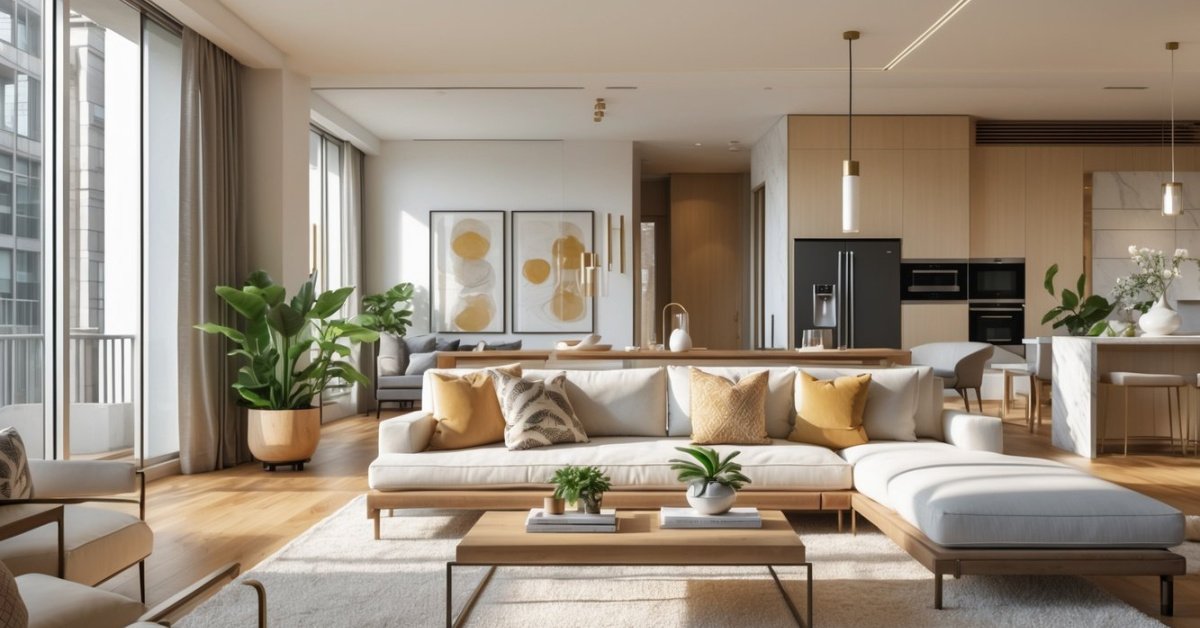
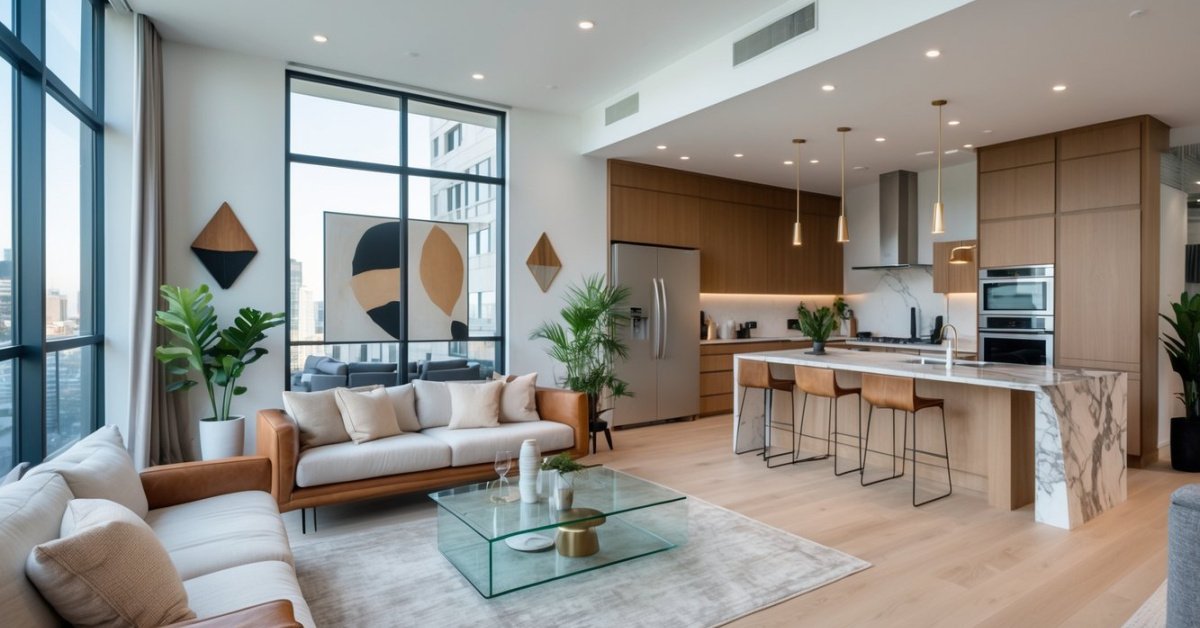
In a living room, a properly sized rug anchors the seating area. I recommend choosing one large enough to fit all front furniture legs on it. For example, a 6’x9′ or 8’x10′ rug works well in most living rooms. This approach frames the seating group and visually separates it from adjacent zones, such as an entryway or dining space. For open layouts, I use bold patterns or contrasting textures to make the living area stand out. Adding a coffee table over the rug completes the zone.
Dining Areas
Under a dining table, rugs help define the eating zone while also protecting the floor. To avoid overpowering the space, I always match the rug size to the table. It should extend at least 24 inches beyond the edges to leave room for pulled-out chairs. For instance, a 5’x8′ rug is ideal for a small four-person table, while an 8’x10′ rug accommodates larger setups. I often choose low-pile rugs for dining areas because they’re easier to clean after spills. Neutral colors can balance the look if the surrounding areas have strong patterns or bold colors.
Bedrooms And Cozy Nooks
Rugs add warmth and comfort in bedrooms, especially with cold flooring like tile or wood. I usually place a large rug under the bed, ensuring it extends at least 2-3 feet on each side for a soft landing when you get up. For smaller rooms, runners or sheepskin rugs on one or both sides of the bed create a cozy effect without overwhelming the space. In reading corners or nooks, a small, round rug instantly defines the area and invites relaxation. Layering rugs, like jute and faux fur, can add interesting texture in these spots.
Combining Rugs And Furniture Layouts
Rugs do more than visually divide spaces; they enhance furniture layouts and define apartment zones efficiently. By strategically pairing rugs with key furniture pieces, it’s possible to create clear, functional areas in any apartment.
Layering Rugs For Versatility
Layering rugs elevates design while offering flexibility. For example, placing a smaller, patterned rug over a neutral base rug adds depth and personality without overwhelming the space. I often use this technique in clients’ living rooms to highlight seating areas or under coffee tables. In bedrooms, layering a sheepskin or textured rug over a flatweave provides warmth and softness underfoot. With proper layering, you can complement existing furniture and adjust the look of a space easily.
Creating Visual Harmony
A well-chosen rug ties furniture layouts together, ensuring visual harmony. When arranging furniture, ensure the rug anchors major pieces like sofas, chairs, or beds. For example, in compact living areas, I center a 6’x9′ rug beneath the sofa and extend it to include the coffee table and side chairs for a cohesive layout. To avoid clashing, I keep patterns and colors consistent with the apartment’s style—pairing minimalist rugs with contemporary spaces or vibrant designs with eclectic decor. By connecting rugs and furniture, I craft seamless and inviting spaces no matter the apartment’s size.
Rug Styles And Patterns For Visual Impact
Rugs transform apartment spaces visually and functionally. Choosing the right style or pattern lets you influence the atmosphere and create defined zones tailored to any activity.
Bold And Statement Rugs
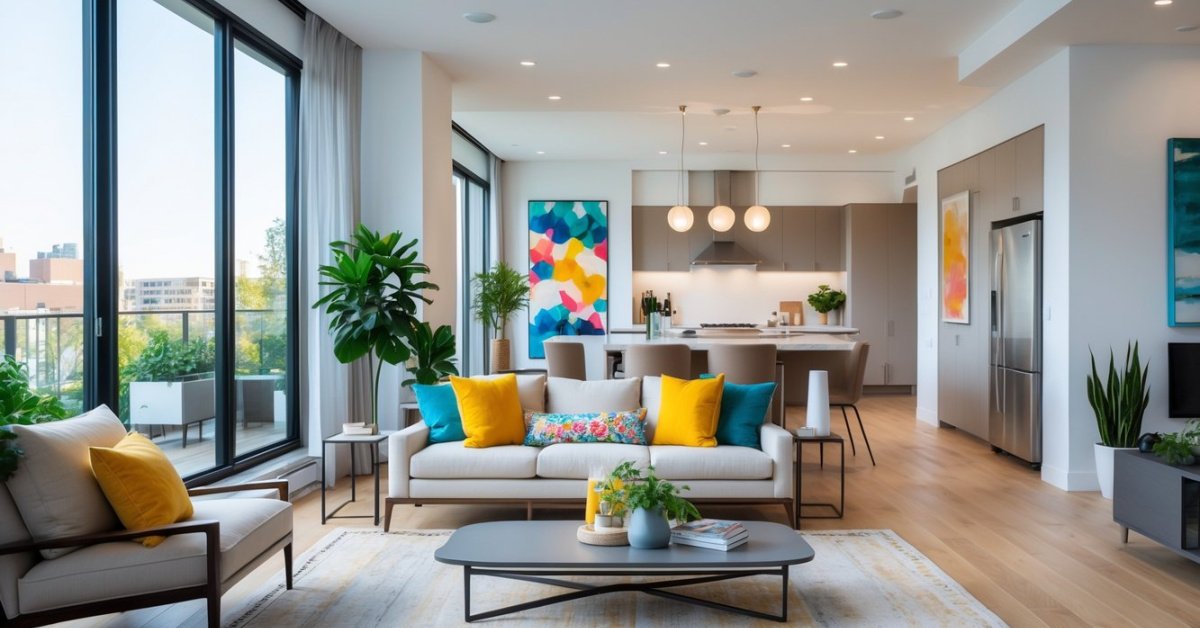
Bold rugs create striking focal points in a space. Vibrant patterns, geometric designs, and high-contrast colors turn a rug into the centerpiece of a room while effortlessly drawing the eye. I often recommend bold rugs for living areas where energy and personality can shine, like a bright Persian-inspired rug grounding the seating group or a graphic, black-and-white modern design underneath a dining table. These rugs work especially well in neutral spaces, adding texture and visual interest without overwhelming the room. To avoid clashing, pair bold rugs with simple, solid-colored furniture and decor.
Neutral And Subdued Options
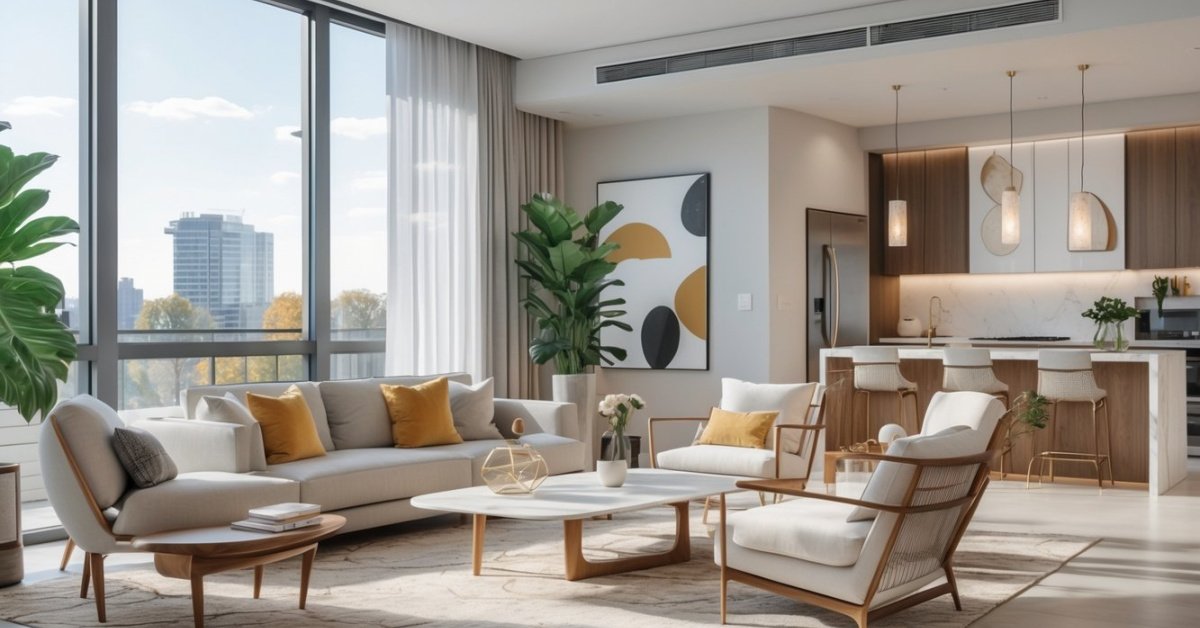
Neutral rugs establish subtle boundaries while keeping spaces cohesive. Beige, cream, gray, and earthy-toned rugs maintain a calm, airy feel, especially in apartments with open layouts. I use subdued patterns like soft stripes or small-scale designs to blend seamlessly with existing decor. For example, a handwoven jute rug makes a great foundation in a coastal-themed living room, while a light-gray, low-pile rug adds softness under a bedroom suite. Neutral pieces enhance textures—such as wood floors or brick features—without competing for attention, creating a relaxing and polished atmosphere throughout the space.
Conclusion
Rugs truly are the unsung heroes of apartment living. They let you define spaces, add warmth, and experiment with style, all without making permanent changes. Whether you’re working with a small studio or a more open layout, the right rug can transform your home into a functional and inviting space.
With so many sizes, patterns, and layering options to explore, there’s no limit to how creative you can get. A thoughtfully chosen rug doesn’t just tie a room together—it helps your apartment feel like home.