Key Takeaways
- Smart lighting transforms apartments into modern, functional, and stylish spaces by combining style, convenience, and energy efficiency.
- Energy-efficient smart bulbs and LED light strips reduce electricity usage, cutting costs while maintaining brightness and ambiance.
- Smart lighting offers enhanced convenience with features like voice control, app integration, and scheduling for hands-free adjustments and automation.
- Room-specific smart lighting, such as layered lighting in living rooms or motion-activated options in bedrooms, creates a personalized and practical atmosphere.
- Smart light strips and lamps add depth and character, making them perfect for renters looking to upgrade their space without permanent changes.
- Integrating smart lighting with smart home systems provides seamless control, automation, and energy optimization, ideal for compact apartments.
Lighting can completely transform the vibe of an apartment. I’ve always believed it’s one of the easiest ways to create a space that feels modern, cozy, and uniquely yours. Whether you’re looking to set the perfect mood for a movie night or brighten up your work-from-home setup, smart lighting offers endless possibilities.
What I love about smart lighting is how it blends style and functionality. With just a few tweaks, you can highlight your favorite decor, adjust the ambiance to match your mood, or even save energy. It’s all about finding creative ways to make your apartment feel more like home while keeping it sleek and contemporary.
Benefits Of Smart Lighting
Smart lighting offers a modern touch that transforms apartments into functional, stylish spaces. As a designer focused on maximizing smaller spaces, I rely on smart lighting to create practical, personalized environments.
Energy Efficiency And Cost Savings
Smart lighting reduces electricity use without compromising brightness. LED bulbs, often used in smart systems, use up to 75% less energy than traditional incandescent bulbs, according to the Department of Energy. Features like dimming and scheduling ensure lights are only in use when needed, cutting down on wastage. In rental units or flips, these savings appeal to tenants and buyers looking for long-term cost efficiency.
Enhanced Convenience And Control
Smart lighting systems make managing apartment lighting effortless. Apps and voice controls allow users to adjust brightness, color, and scheduling with a single command. I often recommend motion sensors in closets or hallways for hands-free lighting in high-traffic areas. For clients, this added convenience is a standout feature, particularly in compact or multi-purpose spaces.
Improved Aesthetics And Mood
Lighting plays a key role in setting the atmosphere. Smart bulbs with adjustable color temperatures shift from warm to cool tones, suiting any activity. I use these to highlight features like exposed brick walls or create cozy corners with layered lighting. In open plans, different zones can be styled using varied colors and intensities, making small apartments feel spacious and inviting.
Smart Lighting Options For A Modern Apartment
Lighting plays a huge role in transforming apartments. I always recommend smart lighting solutions to my clients because they combine functionality with style, making the most of a smaller space. Here are a few of my favorite options to upgrade any apartment.
Smart Bulbs
Smart bulbs are a flexible and energy-efficient choice. Most options, such as Philips Hue or Lifx, let you adjust brightness and color to suit the atmosphere—from warm tones for relaxing evenings to bright daylight for workspaces. I often use them in living rooms and bedrooms, where versatility is key. They pair easily with voice assistants, so controlling them is simple without needing extra remotes or switches.
Smart Light Strips
Smart light strips work wonders in adding depth and character. I love installing these under cabinets, along shelves, or behind TVs to create a subtle glow that brightens spaces without being flashy. Many models, like Govee or Nanoleaf strips, offer custom colors and patterns, which are perfect for renters looking to personalize their apartment without permanent changes. Adhesive backing makes them easy to secure and remove.
Smart Lamps
Smart lamps combine decorative design with functional lighting. I often suggest these for side tables or desks, especially in apartments where every piece needs to serve a purpose. Options like Wyze or IKEA’s Home Smart lamps include dimming, scheduling, and color-changing capabilities. They’re modern, sleek, and help anchor a room’s design while providing needed light.
Designing Smart Lighting For Each Room
Smart lighting transforms every corner of an apartment, creating functional yet stylish spaces. I focus on room-specific designs that elevate both form and purpose.
Living Room Ambiance
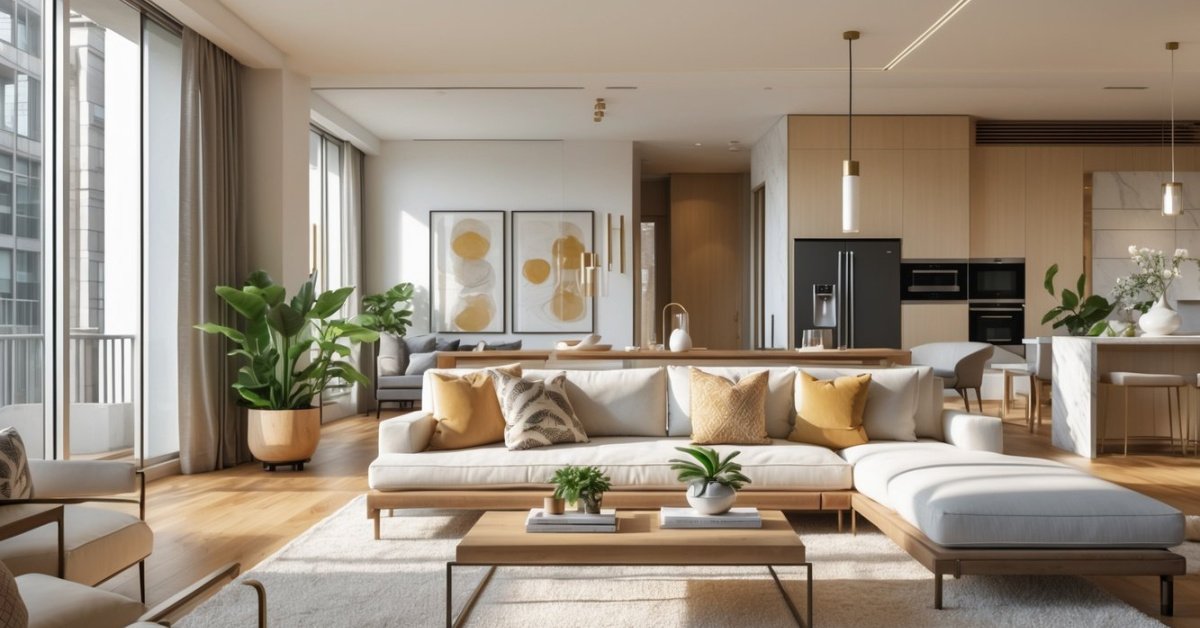
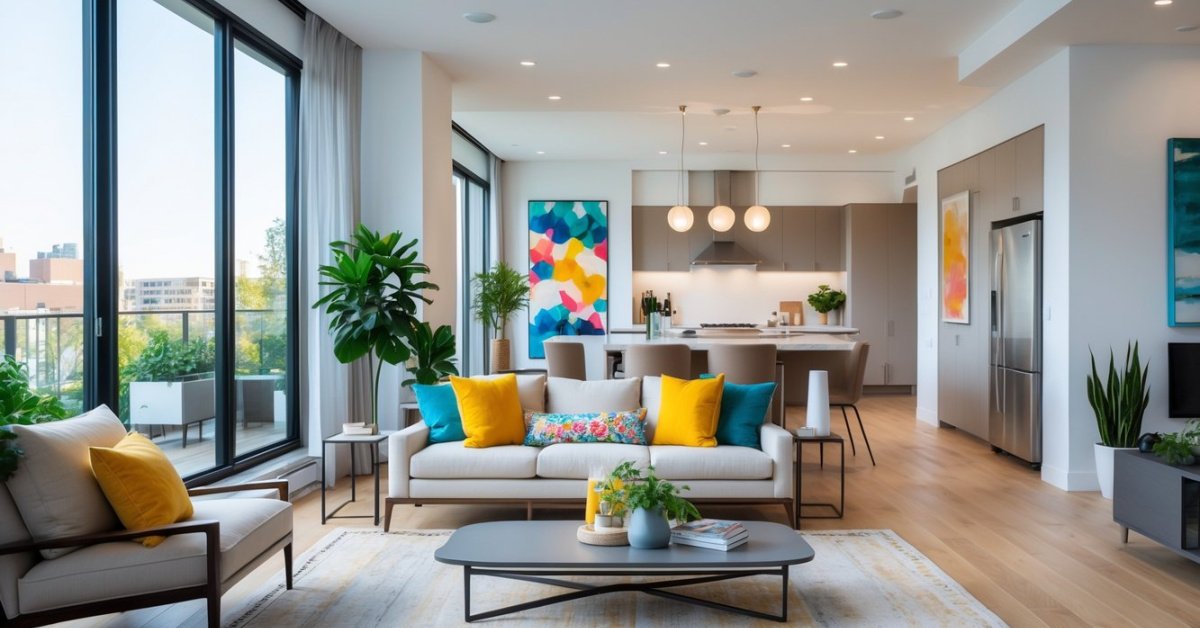
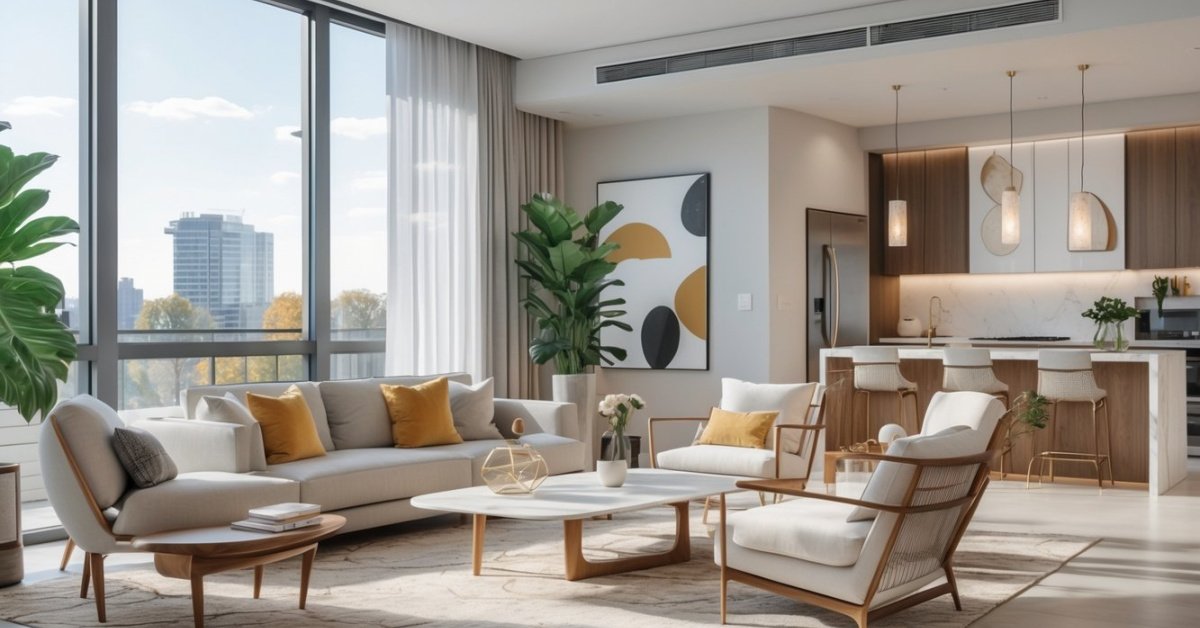
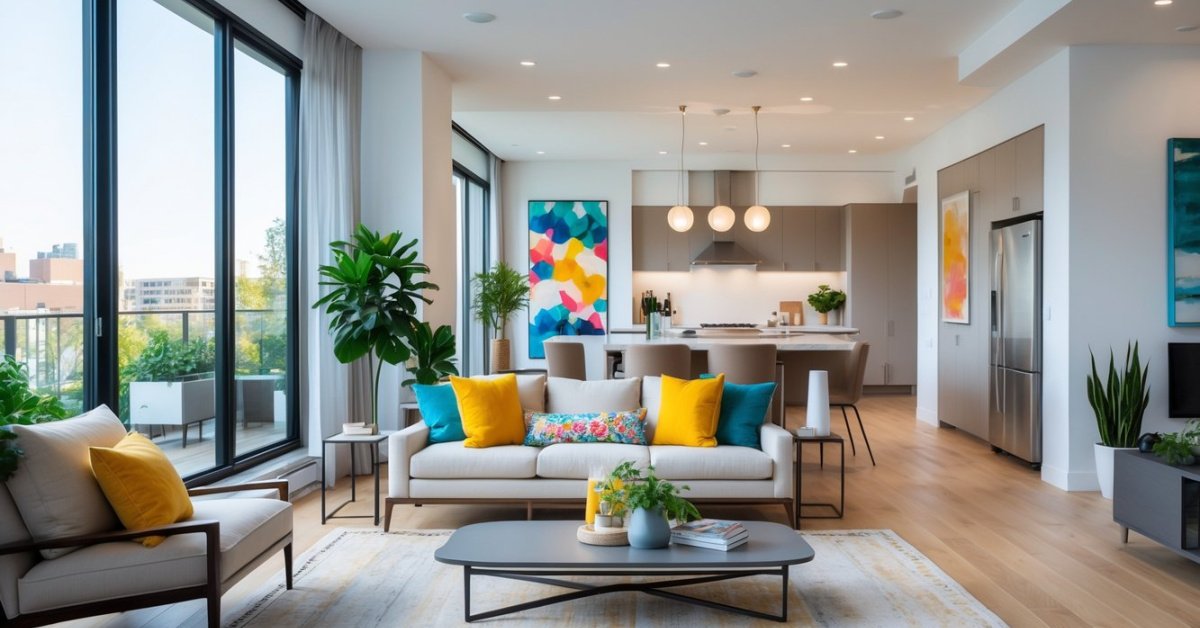
Living rooms benefit from layered lighting to set a dynamic mood. I often recommend combining smart ceiling lights with adjustable brightness and color options, ideal for transitioning from daytime to evening. Adding smart light strips behind a TV or under shelves highlights focal points. For accent lighting, smart floor or table lamps work great when placed near seating areas.
Bedroom Comfort
Smart lighting in bedrooms creates a relaxing atmosphere. I like using smart bulbs with warm color temperatures for bedside lamps, enhancing coziness. Integrating motion-activated under-bed lighting adds practicality for nighttime movement. Incorporating a programmable lighting schedule allows soft light to mimic sunrise, perfect for starting the day naturally.
Kitchen and Dining Practicality
In kitchens, task lighting is key. I suggest installing smart under-cabinet LED strips that brighten workspaces. For dining areas, pendants with dimmable smart bulbs offer flexibility for meal settings. I also love using voice-controlled lighting here, making it simple to adjust brightness while entertaining.
Integrating Smart Lighting With Smart Home Systems
Smart lighting systems are game-changers when paired with smart home setups. They don’t just enhance the look of a room but also make daily life easier, especially in apartments where every inch of space counts.
Voice Control Integration
Adding voice control to smart lighting simplifies functionality. I’ve seen how clients appreciate controlling their lights hands-free when their hands are full or when they’re relaxing on the couch. Smart hubs like Amazon Alexa, Google Home, or Apple HomePod sync seamlessly with most smart lighting brands. You can set commands like “dim the living room lights to 50%” or “turn off all lights” and watch how it saves time and effort. In smaller apartments, voice control eliminates the need for multiple switches while providing seamless access across the entire space.
Scheduling And Automation Features
Smart lighting with automation elevates efficiency while adding luxury. I always program schedules for my clients to match their daily routines. For instance, I create a “wake-up” lighting scene where bedroom lights gradually brighten in the morning, mimicking a sunrise. In kitchens or hallways, I often automate lights to turn on at sunset, saving renters from walking into a dark space. Pairing automation with occupancy sensors can further optimize energy use, automatically turning lights off when no one’s in a room, which is perfect for smaller apartments with constant movement.
Tips For Setting Up Smart Lighting
Smart lighting transforms even the smallest apartments into functional, stylish spaces. As someone who loves maximizing smaller spaces, I’ve learned that product choice and placement are key to getting the modern vibe perfect.
Choosing The Right Smart Lighting Products
Selecting the right products ensures functionality and aesthetic balance. I recommend starting with smart bulbs. These work well in any standard fixture, giving flexibility to adjust brightness, color, and scheduling. LED-based smart bulbs are energy-efficient and long-lasting, which also helps keep costs down.
If you want to add personality, look at smart light strips. These create depth when you outline furniture, cabinets, or artwork. I’ve used them for toe kicks in kitchens and behind entertainment systems to create a soft, modern glow. For extra style, explore smart lamps with built-in features for dimming or color changes, especially in bedrooms or living rooms.
Invest in systems compatible with platforms like Alexa, Google Home, or Apple HomeKit. I find that voice control simplifies lighting adjustments, making it easier to set the mood or find functionality for any activity.
Positioning Lights For Maximum Effect
Placement changes everything in a room. In living rooms, I layer lighting by combining ceiling smart lights, lamps, and accent light strips. Adding lights behind bookshelves or around wall-mounted TVs adds dimension. Position lamps in corners to eliminate shadows and make the room feel larger.
For bedrooms, I install motion-activated lighting under the bed. It gives a soft, warm light when you need it without feeling harsh. Add smart bulbs to bedside tables to customize color and brightness for relaxing at night or waking up naturally.
Task lighting is essential for kitchens. I always place under-cabinet light strips near countertops and sinks, ensuring the work areas are bright and practical. Dining areas benefit from dimmable pendant lights centered over the table for functional elegance during meals or gatherings.
Conclusion
Smart lighting has completely changed the way I think about designing a modern apartment. It’s not just about functionality; it’s about creating a space that feels uniquely yours. With the right choices, you can effortlessly combine style, comfort, and convenience while saving energy and money.
Whether it’s layering lights in the living room, adding motion-activated features in the bedroom, or using voice commands to adjust the mood, smart lighting makes everyday living so much easier and more enjoyable. It’s a simple upgrade that truly transforms your home into a space you’ll love coming back to every day.