Key Takeaways
- Smart apartment technologies and energy-efficient solutions are becoming standard, offering convenience, security, and reduced utility costs for urban renters and owners.
- Sustainable renovation choices like recycled materials and low-VOC finishes are key trends, aligning with increased demand for eco-friendly, healthier living environments.
- Multifunctional spaces with sliding walls, modular furniture, and innovative storage maximize small apartment layouts for flexible, clutter-free living.
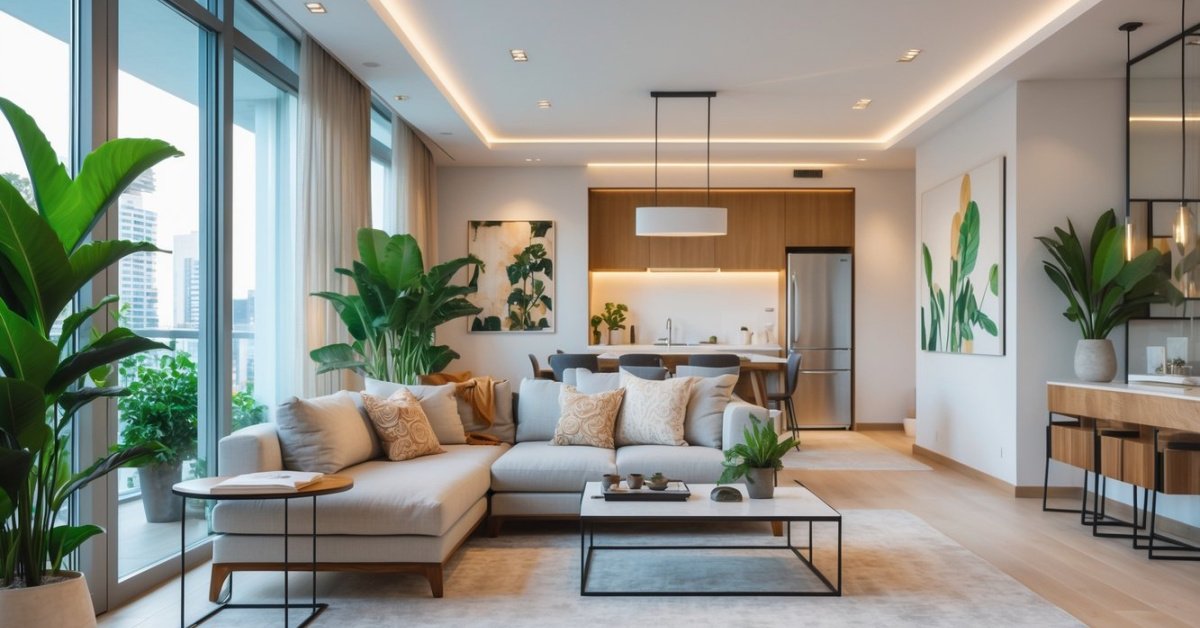
- Modern aesthetics prioritize minimalist and biophilic design elements to create airy, calming spaces that feel connected to nature and enhance overall well-being.
- Upgraded outdoor areas and shared amenities, such as balconies, rooftops, and adaptable community lounges, are highly sought after for extending living space and fostering community.
Every time I walk into a newly renovated apartment I can’t help but notice how quickly styles change. What felt modern just a year ago now seems ready for a refresh. As we head into 2025 I’m seeing some exciting trends that promise to transform small spaces into stylish and functional retreats.
Whether you’re dreaming of a cozy nook or planning a full-scale makeover it’s the perfect time to explore what’s next in apartment design. I’ve gathered the most inspiring renovation ideas that are set to make a splash this year—so you can give your space a fresh new vibe without missing a beat.
The Rise of Smart Apartment Technologies
Smart technologies shape every project I design, bringing both comfort and value to modern apartments. I’ve seen these upgrades transform small spaces and attract more attention from buyers and renters.
Integrating Home Automation Systems
Smart home automation, like app-controlled lights, motorized window treatments, and voice-activated thermostats, changes how residents interact with their space. I install hub systems from brands like Google Home or Amazon Alexa for clients who want seamless device integration—residents control everything from their phones or tablets. Programmable locks and video doorbells add security for busy city lifestyles, especially in buildings where foot traffic is high. Multi-room speaker setups upgrade entertainment, letting owners use every inch of a small apartment for dining, work, or relaxation with streamlined controls.
Energy-Efficient Solutions
Energy-efficient technology reduces utility costs and enhances sustainability in apartment renovations. I favor installing LED fixtures, motion-sensor switches, and Energy Star-rated appliances for my clients, since these offer the best return—cutting electricity use up to 75% (source: Energy Star). Smart thermostats from brands like Nest or Ecobee monitor and optimize heating and cooling, using geo-fencing and scheduling tools that work for different daily routines. Water-saving fixtures for kitchens and bathrooms, like low-flow faucets and showerheads, help lower monthly bills and support eco-friendly goals without sacrificing comfort.
Sustainable Materials and Eco-Friendly Upgrades
Growing interest in green living shapes how I approach apartment renovations for 2025. Buyers and renters look for spaces that balance comfort with eco-friendly choices, especially in tight urban layouts.
Recycled and Reclaimed Materials
Using recycled and reclaimed materials lets me add character and reduce waste at the same time. I often source reclaimed wood for accent walls, kitchen shelving, and barn doors—each piece brings a unique history into a modern space. For tile work and countertops, I choose recycled glass or composite surfaces like IceStone and Vetrazzo, which use post-consumer content and look stunning in small kitchens and baths. Clients love the durability, and these options keep thousands of pounds of material out of landfills every year.
Low-VOC Paints and Finishes
Low-VOC paints and finishes offer healthier options for apartment interiors. VOC, or volatile organic compounds, contribute to indoor air pollution and typical paint odors—concerns especially relevant in smaller square footage. I prefer brands like Benjamin Moore Natura and Sherwin-Williams Harmony for both walls and cabinetry because they emit fewer fumes and dry quickly, making move-ins smoother for renters and owners. Using water-based polyurethanes on wood trim and floors helps maintain air quality and still protects surfaces from daily wear.
Multifunctional and Flexible Spaces
Every year, I see more apartment owners asking for spaces that adapt as easily as their lives do. Multifunctional and flexible layouts make even the smallest apartment feel open, comfortable, and ready for anything.
Sliding Walls and Modular Furniture
Sliding walls and modular furniture instantly transform apartment layouts for different uses. I’ve installed sliding wall panels in studios, letting residents switch from open-concept living to a private bedroom in seconds. Manufacturers like Raumplus and NanaWall lead this segment, with custom glass, wood, or fabric panels that glide smoothly and look polished.
Modular furniture amplifies usable space by serving several functions. I often spec pieces like Resource Furniture’s wall beds with integrated sofas or extendable dining tables from IKEA—the Malm and Norden collections provide top examples. These flexible designs maximize the footprint, letting a living room host guest beds, workspaces, or dining zones just by moving a few pieces.
Space-Saving Storage Solutions
Space-saving storage solutions organize clutter without sacrificing style. I rely on floor-to-ceiling cabinets, built-in shelving around doors, and hidden drawers under seating to keep small apartments feeling neat. Custom closet systems from Elfa or California Closets squeeze usable space from every inch—including awkward corners and entryways.
I suggest built-in benches with lift-up seats, floating shelves above desks, and rolling kitchen carts for flexible storage that doesn’t crowd a room. In apartments where every square foot counts, these upgrades boost functionality and appeal for both current residents and future buyers.
Modern Aesthetics and Design Elements
Modern aesthetics keep apartment spaces feeling fresh and stylish as we head into 2025. I see more clients favoring design choices that blend simplicity, nature, and smart functionality to make compact homes stand out.
Minimalist Interiors
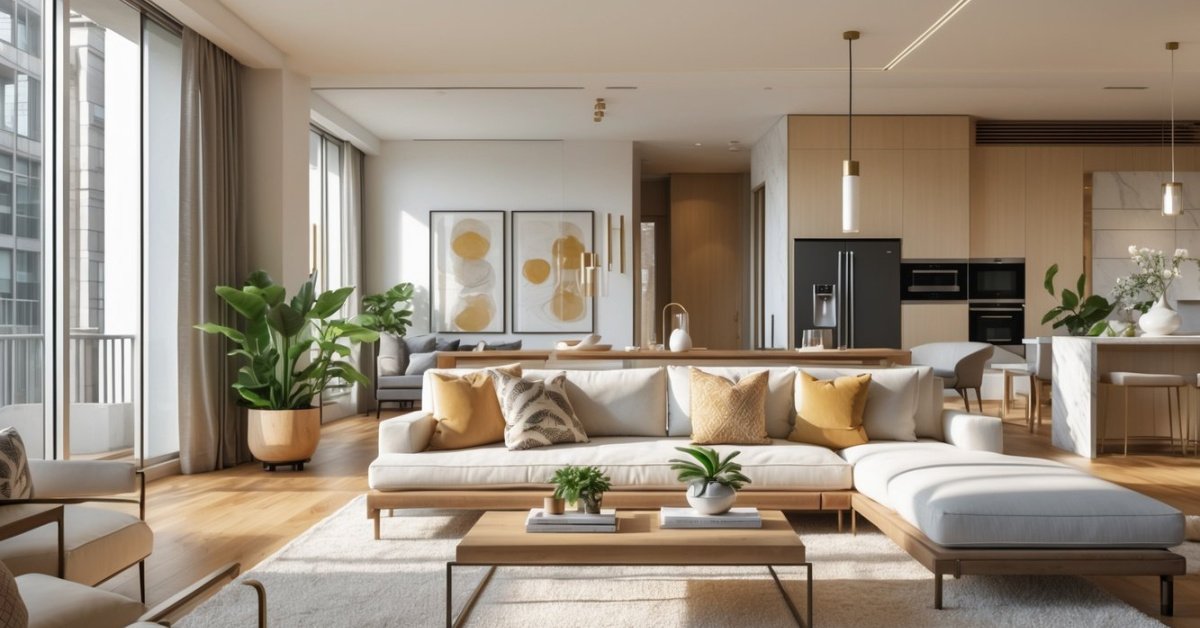
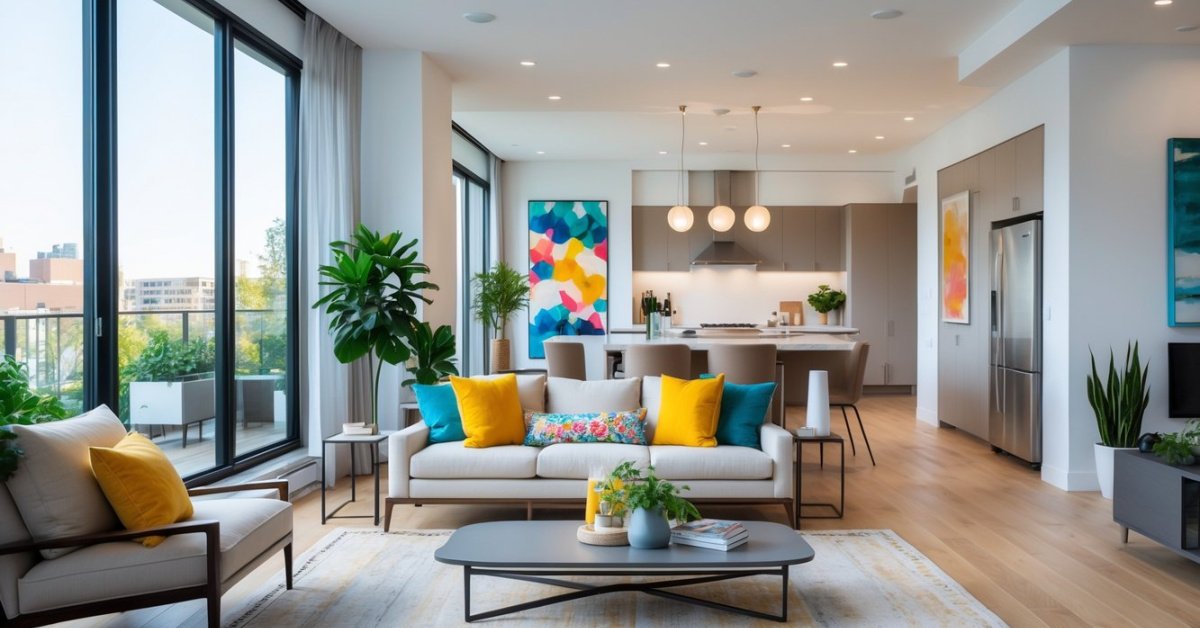
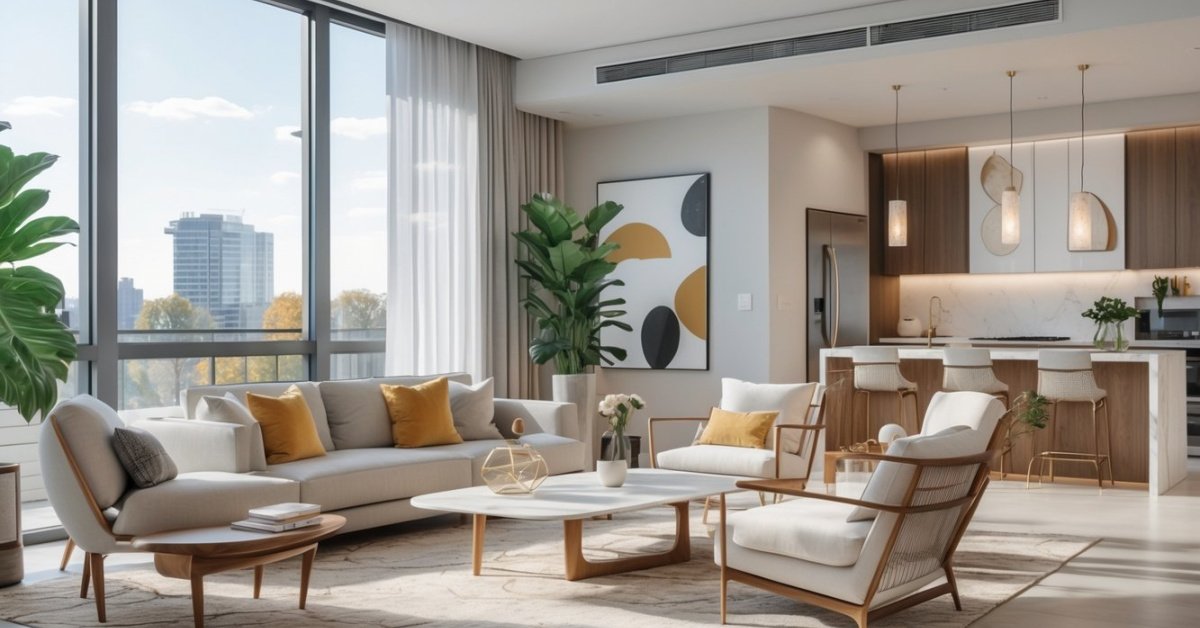
Minimalist interiors use neutral palettes, streamlined furniture, and uncluttered layouts. I favor tones like matte white, soft gray, and natural beige for walls, similar to Benjamin Moore’s Simply White. Clients usually choose pieces with hidden storage, like ottomans with lift-up tops or platform beds with drawers. Removing bulky cabinets and opting for open shelving or floating vanities makes living areas feel larger and airier. In my recent remodels, I’ve removed partitions to create open-plan combos, such as kitchen-living room spaces, which boosts both light and flow.
Biophilic Design Trends
Biophilic design trends introduce nature-inspired touches to modern apartments. I recommend bringing in indoor plants, green walls, or live-edge wood tables to boost both mood and style. Full-height windows or glass doors maximize daylight, something that’s especially valuable in dense urban settings. Materials like bamboo flooring or natural stone tiles connect residents to organic textures. For accent elements, I’ve used botanical-printed wallpapers in entryways or bathrooms to offer visual interest without overwhelming a small space. Clients often remark that even adding a few plants or nature-themed artwork creates a calming, inviting home atmosphere.
Enhancing Outdoor and Shared Spaces
Maximizing every inch of an apartment often extends beyond the front door. I find that the latest renovations bring outdoor living and community together, creating inviting spaces for residents to relax, socialize, and enjoy the fresh air.
Balcony and Rooftop Transformations
Adding value to small apartments through balcony and rooftop upgrades ranks as one of my top renovation strategies. I’ve seen a surge in demand for compact, weather-resistant furniture like modular sofas or folding chairs. Vertical gardens using trellis systems or wall planters from brands like WallyGro turn underused walls into green highlights.
Lighting counts for a lot—integrated LED strip lights and battery-powered lanterns brighten up evenings on balconies. Outdoor tiles or composite decking cover unattractive surfaces, and I always opt for easy-to-clean options like DeckWise or IKEA RUNNEN. For rooftop spaces, clients often request communal grilling stations, built-in seating, and privacy screens. Retractable canopies and glass railings help make city views safe and comfortable year-round.
Community Lounge Innovations
Elevating apartment amenities and shared lounges drives interest from buyers and renters. I encourage clients to invest in adaptable furnishings—think modular sectionals, folding tables, and storage ottomans—which let neighbors reconfigure lounges for movie nights, co-working, or yoga sessions. Modern amenities like Wi-Fi-enabled charging hubs and built-in coffee stations get high marks for convenience.
Texture-rich wall panels and statement pendant lighting define separate zones within larger lounges, improving sound control and ambiance. I’ve found that adding greenery, whether through potted trees or living moss walls, upgrades these spaces and can boost indoor air quality. Smart door entry systems and keyless lockers provide secure, contactless access for package pickups and deliveries, enhancing the overall shared experience.
Conclusion
As I look ahead to 2025 I’m excited by how apartment renovations are evolving to meet new needs and lifestyles. There’s never been a better time to reimagine what’s possible in a small space or to invest in features that make daily life more comfortable and sustainable.
Whether you’re planning a minor refresh or a full-scale remodel these trends offer plenty of inspiration to create a home that truly reflects your style and values. I can’t wait to see what creative ideas you’ll bring to life in your own apartment.