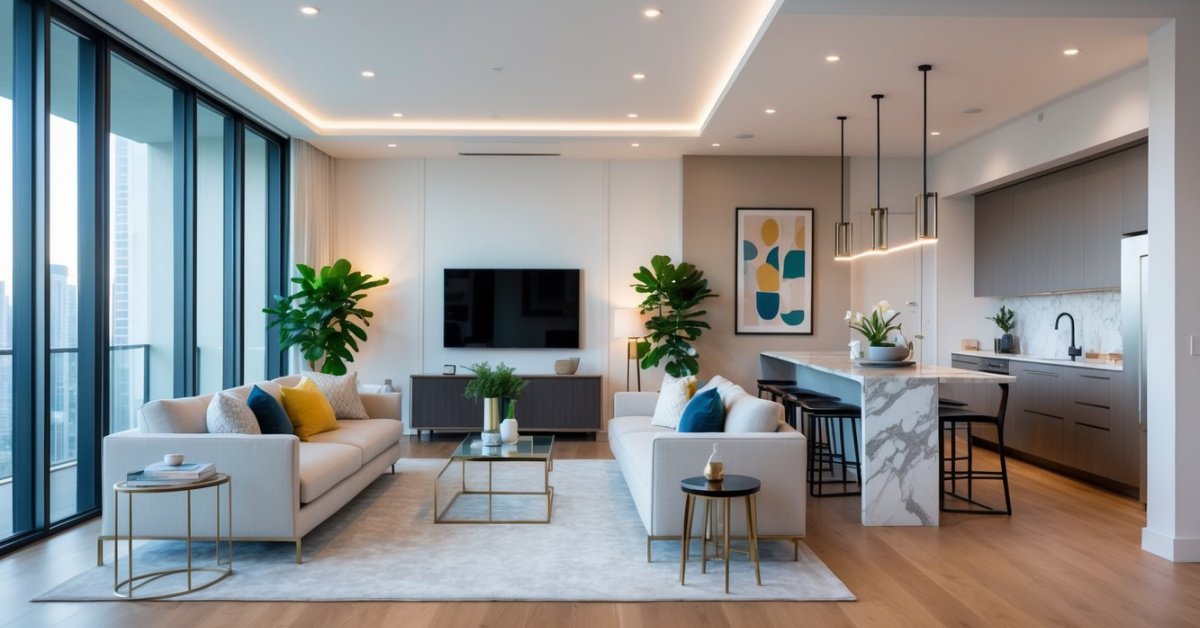
Key Takeaways
- Choosing the right window style for your apartment enhances natural light, ventilation, and the overall feel of your space.
- Popular window styles for apartments include sliding, casement, awning, double-hung, and bay or bow windows, each offering distinct benefits for different layouts and needs.
- Prioritizing energy-efficient features like double- or triple-pane glass and Low-E coatings can lower utility costs and improve comfort.
- Consider ease of maintenance by selecting windows with tilt-in or slider mechanisms, especially for higher floors or hard-to-reach areas.
- Address privacy and noise concerns with frosted, tinted, or acoustic glass, particularly in dense urban settings.
- Always ensure your window choices comply with building regulations and complement your apartment’s architectural style for maximum appeal and value.
When I moved into my first apartment I never realized how much the right windows could change everything. The sunlight streaming in the perfect breeze on a spring afternoon and even the way my space looked all depended on those panes of glass. Picking the best window style isn’t just about looks—it’s about comfort and making the most of every square foot.
I’ve learned that not all windows are created equal especially when space is tight and privacy matters. Whether you want more natural light or just need something easy to clean the right choice can make apartment living feel a whole lot brighter. Let me share what I’ve discovered about the best window styles for apartment owners like us.
Why the Right Window Style Matters for Apartment Owners
Selecting the right window style maximizes comfort and value in an apartment. Each style changes how natural light enters the space, with options like floor-to-ceiling windows bringing in more daylight and slider types working well where wall space is limited. I always look for styles that help make small rooms feel larger.
Good window design improves energy efficiency and lowers heating and cooling costs. Multi-pane and properly sealed windows reduce drafts. I often recommend double-hung or casement windows when I’m flipping smaller properties, since they close tightly and reduce seasonal energy spikes.
The right choice makes upkeep easier in apartments where access is limited. Tilt-in sashes or slider windows simplify cleaning without needing ladders or special tools. For clients on upper floors, I never use hard-to-reach or outward-opening styles that complicate basic maintenance.
Privacy and noise control improve with the right windows. Frosted or tinted glass helps screen interiors in high-density buildings, and laminated glass dampens outside noise. I suggest these enhancements for properties near busy streets or with close neighboring buildings.
Matching the window style to the building’s architecture increases appeal. When I’m designing for a modern high-rise, sleek aluminum frames accentuate clean lines. For historic brownstones, divided-light or arched options preserve classic charm. The right match makes an apartment look polished and thoughtfully finished.
Each decision on window type, material, and layout shapes how someone experiences an apartment. As a contractor and designer who’s optimized dozens of small spaces, I see firsthand how the right window choices transform both the look and feel of homes for my clients.
Key Factors to Consider When Choosing Apartment Windows
I look for the right mix of style, function, and compliance when I pick windows for an apartment. These factors make a big difference in daily comfort and long-term value. My best flips always start with attention to the basics before I think about something fancy.
Space and Layout Constraints
I tailor window choices to the apartment’s layout and available wall space. Compact layouts often limit the swing radius for casement windows, so I use sliding or tilt-in windows for tight spots. Wide window sills or deep walls let me install bay or bow windows, which create extra seating or storage. In building layouts where bedrooms sit next to each other, I avoid large shared windows to keep privacy intact.
Aesthetics and Building Regulations
I match window designs to the building’s architectural details and follow local codes. If an apartment building uses industrial or historic motifs, I use black aluminum frames or divided lights. City regulations in many areas restrict glass types or window sizes—for example, New York City requires tempered glass in some applications. I always confirm with the condo board or landlord before I propose major changes. HOA rules can dictate style and even exterior color for windows.
Energy Efficiency and Ventilation
I pick double- or triple-pane windows with Low-E coatings to block drafts and cut energy bills. In apartments facing busy streets, I press for acoustic glass to ease noise issues. When ventilation matters, I install awning or hopper windows that open inward without taking up extra space. For corner units or spaces with limited airflow, I opt for operable transoms paired with ceiling fans. My clients tell me these solutions keep utility costs down and interiors comfortable all year.
Top Window Styles for Apartment Owners
Every apartment I’ve worked on benefits from the right window style, especially when space and light matter most. Over the years, I’ve found that certain window designs outshine others for city living, compact layouts, and quick value boosts.
Sliding Windows
Sliding windows fit tight spaces in most apartments, especially for walls that face alleys or where furniture sits nearby. I install sliders when clients want ventilation without any sash swinging into the room. Maintenance stays simple since most sliders feature removable sashes. I often recommend these in kitchens and bedrooms for easy airflow.
Casement Windows
Casement windows work well where full ventilation or scenic views count, like above counters or in living rooms. I use this style for clients who want breezy interiors without hardware blocking the glass. Casement windows seal tightly when closed, adding energy efficiency—critical for high-rise apartments with temperature swings.
Awning Windows
Awning windows bring in air even when it rains, which my apartment clients appreciate. I place these in areas needing moisture resistance or extra privacy, like bathrooms or above shower stalls. Hinged at the top, they don’t take up interior space and pair well with other fixed window styles for custom looks.
Double-Hung Windows
Double-hung windows suit apartments with classic layouts or older buildings where updates must fit historic details. I pick double-hungs for fixer-uppers needing versatility. Both sashes move, so cleaning’s easy from indoors. Modern double-hung models boost insulation, reining in utility costs for my investment clients.
Bay and Bow Windows
Bay and bow windows expand interiors, perfect for apartments where every inch counts. I install them to add reading nooks or flexible shelving space. These styles pull in maximum natural light and visually open up confined living rooms or dining areas, increasing property value and curb appeal for owners planning a future sale.
Tips for Selecting the Best Window Style for Your Apartment
Prioritize Natural Light
I always weigh how much daylight the windows let in before picking a style. For example, large sliding or casement windows brighten up deep living rooms, while clerestory or transom windows work well for letting in extra light above eye level without sacrificing privacy.
Focus on Ease of Cleaning
When I plan for apartment spaces, I aim for styles that make cleaning simple. Double-hung or tilt-in windows allow inside cleaning even on upper floors. In compact kitchens or hallways, slider windows prevent awkward stretching or hard-to-reach spots.
Match Building Rules and Codes
Every building brings its own set of codes and association rules. I carefully check if tempered glass, size limits, or clearances are mandatory. For example, high-rise buildings often require safety glazing, and older properties may only allow specific exterior styles.
Enhance Privacy and Reduce Noise
For apartments facing busy streets or neighbors, I often pick windows with frosted, tinted, or acoustic glass. Bedrooms and bathrooms benefit most from these. In my renovation projects, I’ve seen how minor changes here make spaces much quieter and more private.
Maximize Airflow and Ventilation
I select window styles like awning, casement, or operable transoms for rooms needing more ventilation. Kitchens and bathrooms in smaller units get stuffy quickly, so outward-opening or top-hinged windows help refresh the air without blocking narrow walkways.
Complement Architectural Details
I tailor window designs to suit the apartment’s building style. For example, I use grilles or divided lights for classic prewar buildings, and sleek frameless glass in modern renovations. Matching finishes and proportions keeps the apartment’s design cohesive and appealing.
Consider Energy Efficiency
Whenever I flip apartments, I add double- or triple-pane windows with Low-E coatings to cut utility costs. For busy city locations, acoustic and insulated glass also make living spaces more comfortable year-round. These upgrades have boosted both property value and tenant satisfaction in my projects.
Conclusion
Finding the right window style for your apartment can make all the difference in how comfortable and inviting your space feels. I’ve learned that it’s not just about looks—it’s about how your windows work with your lifestyle and the unique features of your home.
With a little planning and the right choices you can create a brighter more efficient and truly enjoyable living environment. If you’re ready to upgrade your apartment’s windows trust your instincts and let your space shine.