Key Takeaways
- Decluttering is essential for making small apartments feel more spacious, organized, and stress-free.
- Focus on high-clutter zones first and apply the one-in, one-out rule to prevent unnecessary accumulation.
- Maximize storage by utilizing vertical space, hidden compartments, and multifunctional furniture.
- Tackle decluttering room by room, employing tailored strategies for living rooms, kitchens, and bedrooms.
- Maintain a tidy apartment with consistent cleaning routines and mindful shopping habits to avoid future clutter.
Living in a small apartment means I have to make every inch count. It’s easy for clutter to pile up quickly and before I know it my cozy space feels cramped and overwhelming. I’ve learned that a few smart decluttering tricks can make a huge difference.
I’ve discovered that letting go of what I don’t need opens up room to breathe and enjoy my home. With the right strategies I can create a space that feels open organized and uniquely mine. Let’s dive into my favorite tips for keeping a small apartment tidy and stress-free.
Why Decluttering Matters in Small Apartments
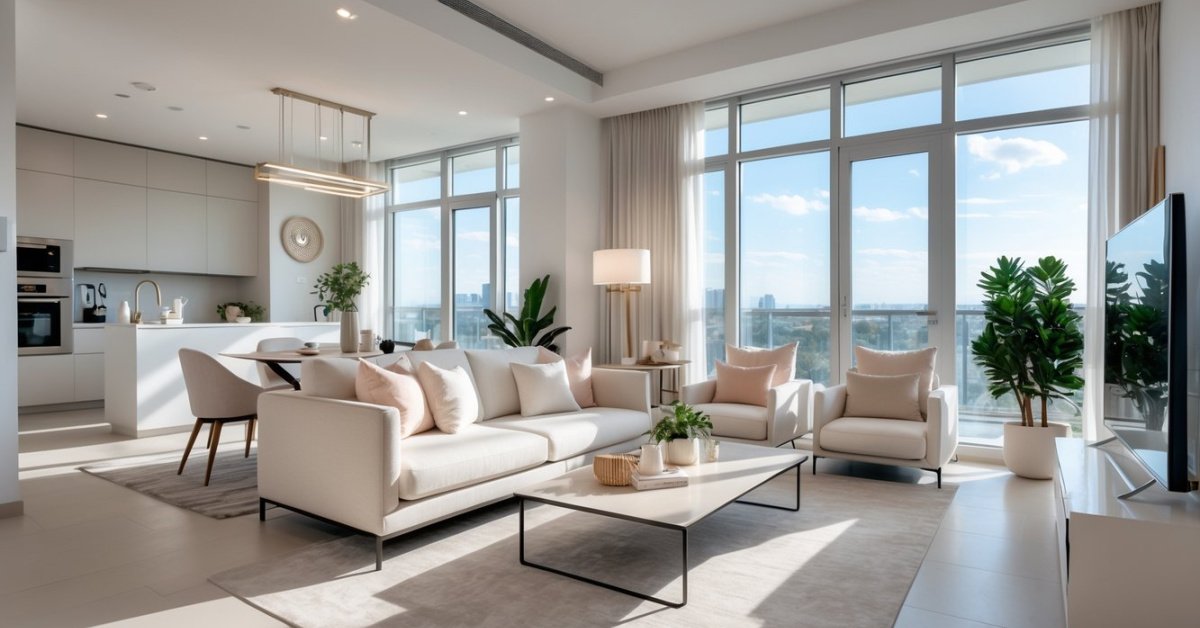
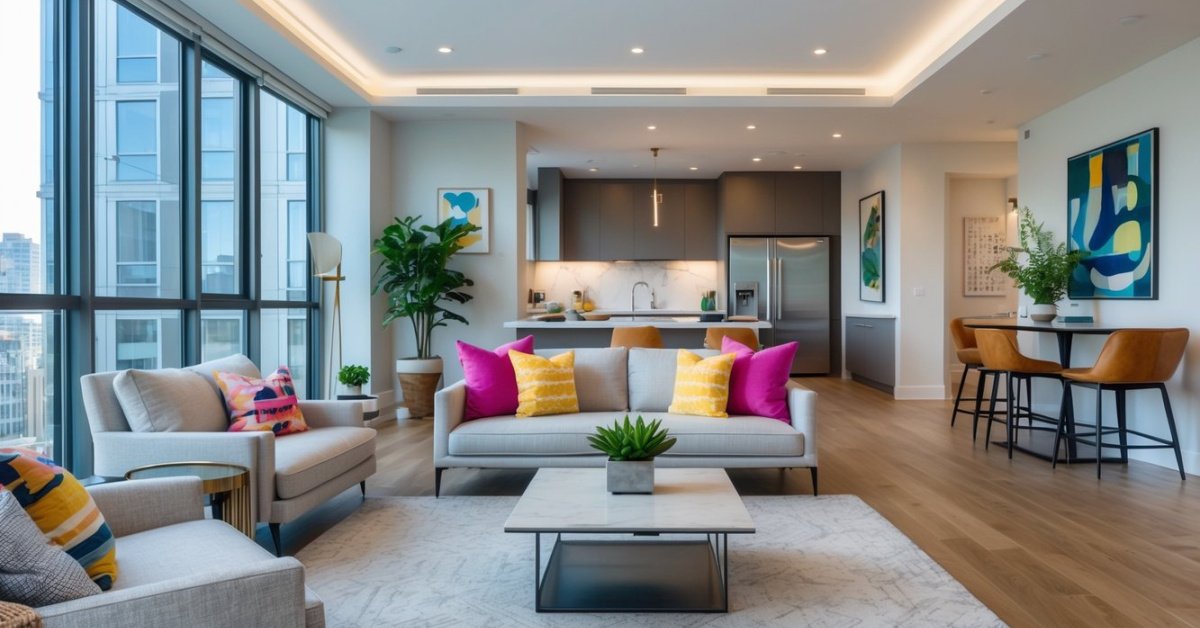
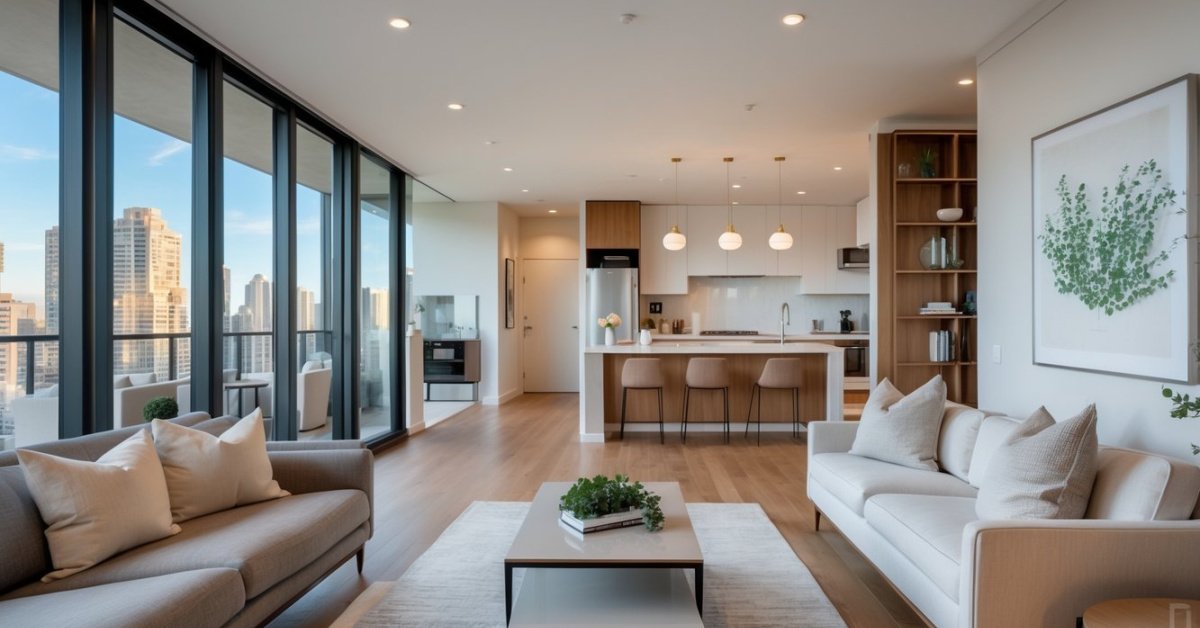
Decluttering transforms small apartments into functional, appealing spaces. Space gets used up quickly in apartments with less than 800 square feet—think studios or one-bedrooms—and clutter often makes rooms feel smaller than they are. When I walk into a client’s apartment for the first time, I see how extra furniture, clothing, or unused kitchen tools crowd high-traffic areas. Removing excess instantly changes the sense of openness.
Storage options in small apartments are limited. Every square foot must serve a purpose, and clutter blocks access to essentials or hides unique features, like exposed brick or built-in shelving. When I redesign or stage a space, I always start by clearing out what isn’t serving daily routines.
Value increases with organization. Prospective buyers and renters always mention spaciousness as a top priority. A decluttered apartment photographs better for listings, shows its potential during walk-throughs, and can help secure higher offers. My flipped properties sell faster when rooms look streamlined.
Stress drops when there’s less visual noise. Cluttered kitchens, crowded entryways, and jammed closets add frustration at the start and end of each day. Clients tell me their mood lifts and their routines improve once they see clear counters, accessible storage, and clean lines—no matter the apartment’s size.
Essential Decluttering Strategies for Limited Spaces
Making the most of every square foot turns any small apartment into a functional retreat. I use a few foundational strategies in every project to help clients streamline their spaces and avoid daily clutter.
Identify and Prioritize High-Clutter Zones
Spotting and tackling problem areas transforms cluttered apartments fast. I always start by walking through each room to find clutter hotspots—like entryways with piled-up shoes and mail, or kitchen counters packed with unused appliances. After listing out these spaces, I rank them based on how often clutter returns. Focusing on the highest-impact zones first clears the main living areas efficiently and sets a tone for the rest of the apartment.
Implement the One-In, One-Out Rule
Maintaining a streamlined look feels simple with the one-in, one-out rule. For every new item that enters—whether it’s a pair of shoes, a new mug, or throw pillow—I remove an old or unused piece. This habit works especially well with clothing closets, kitchen tools, and bathroom supplies. Since I started flipping spaces, I’ve seen clients avoid unnecessary buildup by consistently using this method, even in the busiest households.
Use Vertical and Hidden Storage Solutions
Maximizing vertical and hidden storage optimizes every inch in a small apartment. I design floor-to-ceiling shelving units in living rooms or bedrooms to take advantage of unused wall space. In kitchens, I recommend adding hooks, magnetic strips for utensils, or stacked shelves inside cabinets. Under-bed bins, storage ottomans, and built-in benches create hidden spots to tuck away linens, seasonal décor, or hobby supplies. These solutions keep essentials accessible yet invisible, opening up valuable floor area and improving daily flow.
Room-by-Room Decluttering Tips
I approach decluttering like any remodeling project—breaking the job into clear zones makes it manageable and effective. By focusing on one room at a time, I see real transformation, even in the tightest apartments.
Living Room Organization Ideas
I streamline living rooms by choosing furniture with built-in storage: ottomans with lift-up tops, benches with hidden bins, and coffee tables with drawers. I mount shelves at staggered heights to display essentials and free up floor space. I corral remote controls, chargers, and magazines into baskets or trays to prevent tabletop pile-ups.
Kitchen Space Savers
I always maximize vertical space in small kitchens. I mount magnetic knife strips and hooks for utensils on backsplashes and cabinet doors. I add pull-out trays or tiered shelves inside cabinets to boost storage by up to 50% (source: National Kitchen & Bath Association). I keep counters clear by dedicating one cabinet or rolling cart to appliances and bulkier tools. I store dry goods in uniform containers and label shelves to make items visible at a glance.
Bedroom Decluttering Tactics
I use under-bed rolling bins or drawers for off-season clothes and shoes. I install floating nightstands when floor space is tight, and I pick wardrobes or headboards with built-in shelves for bonus storage. I recommend rotating wardrobes every quarter—three bins, one each for current, out-of-season, and donate/sell, keeps clothing manageable. I stash jewelry, books, and accessories in stackable organizers inside drawers or clear boxes on shelves to prevent clutter.
Maintaining a Clutter-Free Lifestyle
Keeping small apartments organized gets easier when clutter management becomes part of everyday habits. I always focus on systems that support tidy living long after the initial clean-out, especially since I see firsthand how quickly clutter returns after a flip or renovation.
Develop Simple Cleaning Routines
Setting up a cleaning routine for small-space living means making tidiness automatic. I recommend assigning daily five-minute resets to surfaces in high-traffic zones—like kitchen counters, entryway tables, and sofa tops. Weekly system checks in closets and cabinets help me catch accumulations where they start. I rotate tasks each month, focusing on drawers one week and shelves the next, so nothing gets ignored. Regular routines prevent buildup and keep small spaces feeling spacious.
Mindful Shopping and Consumption Habits
Adopting mindful purchasing habits makes a big difference for apartment dwellers. Before buying new decor or appliances, I ask myself if there’s space for it, or if something else deserves to go, echoing the one-in, one-out guideline I share with clients. I look for multi-use items—under-bed containers, collapsible kitchen tools, or double-duty furniture—which suit smaller apartments. By planning purchases and avoiding impulse buys, I help my spaces stay purposeful and uncluttered, which adds value and keeps renovations looking fresh.
Conclusion
Living in a small apartment doesn’t mean you have to feel boxed in by clutter. With a few thoughtful habits and creative storage solutions, I’ve found that it’s possible to enjoy a space that feels both open and inviting.
Staying mindful about what comes into my home and making decluttering part of my routine has made a huge difference. Even the smallest changes can help transform a cramped apartment into a peaceful retreat that truly feels like mine.