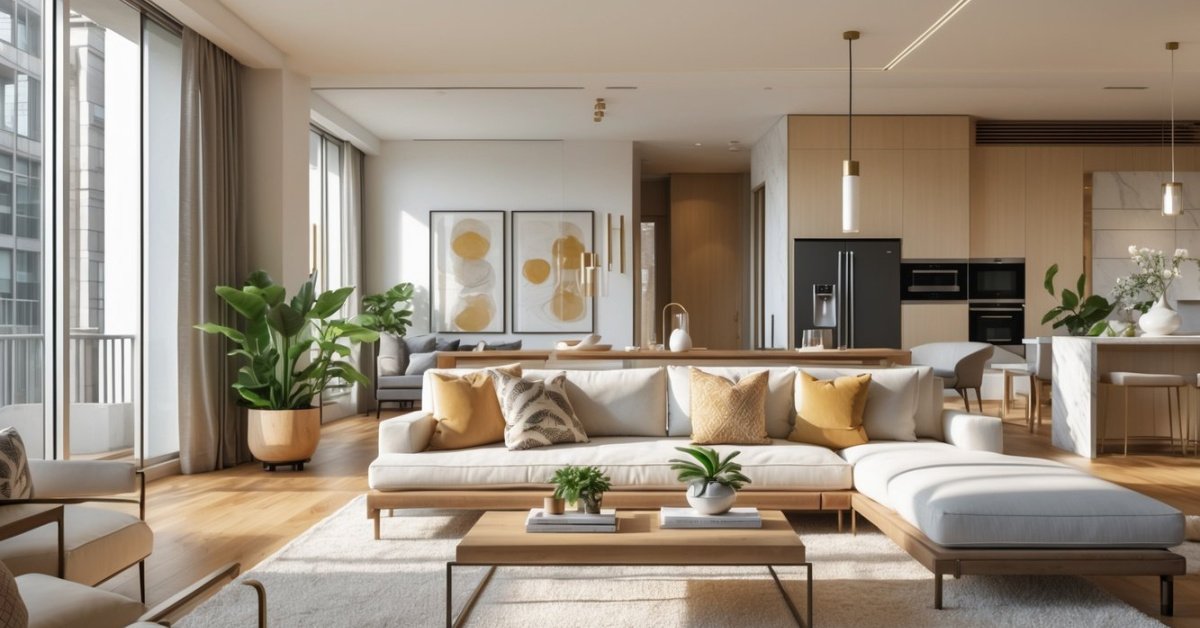
Key Takeaways
- Artificial lighting is essential in dark apartments, transforming them into brighter, more inviting, and functional spaces.
- Layered lighting—combining ambient, task, and accent lighting—creates depth, enhances mood, and improves productivity.
- LED bulbs are the most energy-efficient and versatile option, offering long-lasting brightness and customizable color temperatures.
- Features like dimmable settings, smart controls, and adjustable fixtures add flexibility and adaptability to any apartment lighting setup.
- Design-focused lighting, such as stylish floor lamps or wall-mounted sconces, enhances both aesthetics and functionality in small or dark spaces.
- Use reflective surfaces, compact fixtures, and smart layout strategies to maximize lighting impact, even in limited apartment space.
Living in a dark apartment can feel a little gloomy, especially when natural light is scarce. I’ve been there—trying to make a space feel cozy and inviting without the help of sunlight can be a real challenge. But the right artificial lighting can completely transform your home, making it brighter, warmer, and way more welcoming.
Whether you’re dealing with small windows, a north-facing unit, or just a lack of natural brightness, there are so many lighting options that can make a difference. From soft ambient lights to stylish task lighting, I’ll share some of the best ways to illuminate your space and create a vibe you’ll love.
Why Artificial Lighting Matters in Dark Apartments
Artificial lighting transforms a dark apartment into a functional and inviting space. Natural light is often limited in apartments, especially those in urban areas or small buildings, and this can make rooms feel smaller and less welcoming. By layering different lighting types, like ambient, task, and accent lighting, an apartment can feel brighter and more spacious.
Lighting impacts mood and productivity. In dimly lit spaces, people often feel lethargic or unmotivated. Adding appropriate artificial lighting enhances energy levels, making it easier to focus in home offices or relax in living areas. For example, warm-toned light fixtures in living rooms or kitchens create a sense of comfort, while daylight LED bulbs in workspaces improve focus.
Proper lighting highlights architectural features and decor. In my design work, I always use well-placed lights to accent areas like exposed brick walls or contemporary furniture. This not only improves the room’s aesthetic but also helps draw attention to specific design elements, adding character to the apartment.
Key Features to Look For in Artificial Lighting
When updating apartments with limited natural light, I focus on artificial lighting that not only brightens spaces but also enhances functionality and design. The right features make all the difference when transforming a dark apartment into a welcoming and stylish home.
Brightness and Lumens
I always check the lumens rating to ensure fixtures provide adequate brightness for the space. For living areas, 1,500 to 3,000 lumens works well, while kitchens and workspaces usually need 4,000 lumens or more. For smaller bedrooms or hallways, I look for soft lighting around 800 to 1,500 lumens to avoid overpowering the room.
Color Temperature
Color temperature is critical for creating the right ambiance. I stick to bulbs around 2,700 to 3,000 Kelvin in living spaces to give a warm, inviting glow, and use 4,000 to 5,000 Kelvin in kitchens or workspaces for a daylight effect that promotes clarity and focus. Bathrooms benefit from a mix, with 3,500 Kelvin offering a natural look that’s flattering and functional.
Energy Efficiency
Energy-efficient options save money over time and reduce energy usage. I always recommend LED bulbs, which last up to 25,000 hours and use about 80% less energy than incandescent ones. For eco-conscious clients, ENERGY STAR-certified fixtures are a solid choice and come in a variety of styles.
Adjustable Options and Controls
I prefer lighting with dimmers or smart controls to maximize flexibility. Dimmable fixtures allow you to switch between task lighting and a relaxed mood with ease. Smart bulbs, like those compatible with Wi-Fi or voice control, can change color temperatures or schedules to suit any time of day. These features are especially useful in multi-use spaces common in apartments.
Types of Artificial Lighting for Dark Apartments
Artificial lighting transforms dim apartments into functional, beautiful spaces. By choosing the right fixtures, even the darkest corners can look brighter and more inviting. Here’s how I approach designing lighting setups for apartments.
LED Lighting
LED lighting is my go-to for its versatility and efficiency. These bulbs provide high brightness while consuming less energy than traditional options. For living rooms and bedrooms, I recommend warm white LED bulbs—around 2,700 to 3,000 Kelvin—to create a cozy feel. For workspaces or kitchens, cooler tones—4,000 to 5,000 Kelvin—offer better clarity. LED strip lights are another option for adding subtle, even illumination under cabinets or behind furniture.
Floor and Table Lamps
Floor and table lamps are simple yet effective for brightening specific zones. Tall arc floor lamps work well in living rooms, casting light over seating areas without needing overhead fixtures. For desks or nightstands, I often use table lamps with adjustable heads, prioritizing styles that match the apartment’s aesthetic. I also look for lamps with integrated USB ports—great for maximizing space in small apartments.
Wall-mounted Fixtures
Wall-mounted lights free up valuable floor and counter space while adding character to walls. Swing-arm sconces are perfect near beds or sofas, offering task lighting without bulky tables. I also love using plug-in wall sconces since they’re easy to install in rentals. In dining areas or hallways, uplighting or downlighting can highlight wall textures or make ceilings feel higher.
Smart Lighting Solutions
Smart lighting solutions add flexibility and control to any apartment. I often recommend smart bulbs that adjust color temperature and brightness through apps or voice assistants. You could program them for different modes, like “relax,” “work,” or “movie night.” Smart lighting systems with motion sensors work well in entryways or bathrooms, ensuring light only when needed while saving energy.
Top Recommendations for Artificial Lighting
As someone who’s worked on countless apartment transformations, I can say that the right lighting makes all the difference. Here are my top lighting recommendations to brighten up dark apartments without breaking your budget or your aesthetic.
Best Overall Lighting Option
In darker apartments, LED recessed lights stand out as the best overall option. These lights provide even illumination, come in high lumen outputs like 1,500+, and work well in kitchens, living rooms, or hallways. I often recommend dimmable, warm white models (around 2,700K to 3,000K) for a cozy feel. If space allows, pairing recessed lights with a statement chandelier or pendant light in the living area boosts brightness and elevates the look.
Best Budget-friendly Choice
For renters or anyone looking to save, clamp lights and plug-in wall sconces offer excellent budget-friendly solutions. You’d be surprised how much light you can get for under $30 with these fixtures—plus, they’re portable, so you can move them around as needed. Add LED bulbs with at least 800 lumens to brighten smaller spaces like bedrooms or corners.
Best Smart Lighting for Convenience
Smart LED bulbs win for convenience. I always suggest Wi-Fi-enabled bulbs that work with apps or voice-controlled systems like Alexa or Google Home. You can adjust brightness and color temperature, creating a custom ambiance. For apartments with multi-use spaces, this flexibility really shines. Smart light strips are another favorite of mine for under-cabinet or furniture accent lighting.
Best Design-focused Lighting
If aesthetics are just as important as functionality, I love recommending mid-century modern floor lamps or sculptural pendant lights. Arc lamps work beautifully in cozy corners to add style and light layering. For a more space-saving option, I suggest wall-mounted adjustable sconces in a matte black or brass finish, which provide character while keeping surfaces clutter-free.
Tips for Maximizing Artificial Lighting in Small Spaces
Every inch of a small apartment matters, and lighting plays a big role in making those spaces feel open and inviting. The right artificial lighting can transform dark corners and make even the coziest spaces shine.
Use Layered Lighting
Incorporating multiple light sources creates depth in any room. I recommend starting with ambient lighting like ceiling fixtures or LED recessed lights to provide general brightness. Then, add task lighting, such as desk lamps or under-cabinet lights, for focused activities. Finish with accent lighting, like wall sconces or LED strips, to highlight decor or architectural features. Together, these layers make a smaller space feel dynamic and functional.
Choose Compact Fixtures
Space-saving lighting is essential in apartments. Look for flush-mounted ceiling lights or slim-profile wall sconces to maximize headroom and floor space. Adjustable arm wall sconces are another great option, as they provide flexibility for targeted lighting without taking up furniture surfaces.
Opt for Light Colors and Reflective Surfaces
I’ve found that fixtures with metallic or white finishes create a sleek, airy feel. Pair those with mirrors or glossy surfaces in your decor, as they reflect light back into the space, making rooms appear larger and brighter.
Focus on Dimmable and Multi-functional Lighting
Dimmable fixtures allow you to adjust brightness based on the time of day or mood. Multi-functional lights, like those with built-in shelves or charging ports, are perfect for small apartments where every piece of furniture serves a purpose.
Maximize Corners and Walls
Floor or table lamps in dark corners instantly brighten overlooked areas. If space is tight, go vertical with plug-in pendant lights or mount a shelf with integrated LED lighting. I always emphasize using walls to free up floor space for other essentials.
Conclusion
Creating a well-lit, cozy apartment is totally achievable, even without natural light. The right artificial lighting can completely transform your space, making it brighter, more functional, and inviting. By mixing different types of lighting and incorporating smart, energy-efficient options, you can customize the ambiance to suit your needs and style.
Whether you’re working with a small budget or looking for statement pieces, there’s a solution for every dark corner. Don’t be afraid to experiment with layering lights or adding unique fixtures to reflect your personality. With a little creativity, your apartment can feel warm, welcoming, and beautifully illuminated.